
How to Create a Weekly Meal Plan That Actually Works
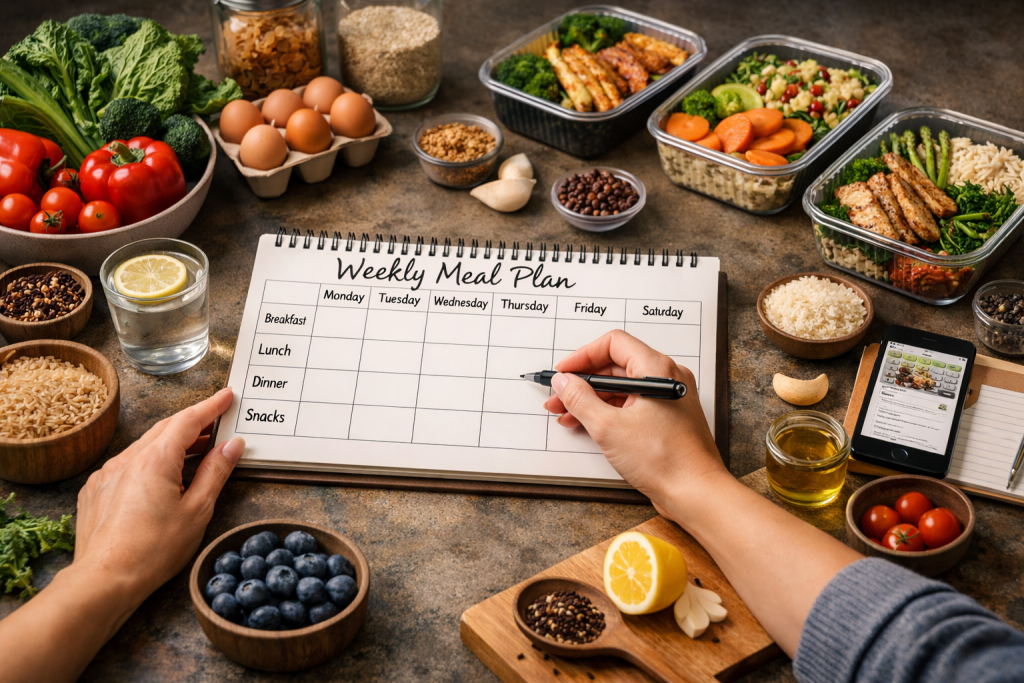
A weekly meal plan that actually works is not the one with the most recipes, the prettiest spreadsheet, or the strictest rules. It is the plan you can repeat every week without burning out, wasting groceries, or ordering takeout because you are overwhelmed. The real goal is simple: reduce daily decisions, control spending, and keep your nutrition consistent with minimal effort. If you are searching for how to create a weekly meal plan, this guide gives you a practical system you can start today and improve every week.
Start With Your Real Week (Not Your Ideal Week)
Most meal plans fail because they are designed for a fantasy version of your life. People plan seven perfect dinners, cook every night, and assume they will have energy every day. Then reality hits: late meetings, low motivation, unexpected invitations, and mental fatigue.
Start by looking at your actual weekly schedule. Identify your busiest days, your easiest days, and the times you usually feel tired. Your meal plan must match those patterns, not fight them.
A working plan usually includes 2–4 cooking nights, not seven. The other meals come from leftovers, simple assembly meals, freezer options, or repeat breakfasts and lunches. This approach is not “lazy.” It is efficient and realistic.
Set a Simple Meal Structure You Can Repeat
Before picking recipes, you need a structure. Structure removes decision overload, which is one of the main reasons people quit planning. A good structure also makes grocery shopping faster because you start seeing patterns.
One of the most reliable methods for how to create a weekly meal plan is using a theme-based rotation. For example: Monday pasta, Tuesday stir-fry, Wednesday leftovers, Thursday tacos, Friday sheet-pan, weekend flexible. The theme gives direction without forcing the exact same meals every week.
Also decide what your default breakfasts and lunches will be. Many people don’t need seven different breakfast ideas. A repeat breakfast like oats, eggs, yogurt bowls, or smoothies reduces daily friction and grocery waste.
For lunches, plan for leftovers first. If you cook dinner two or three times, you can intentionally cook extra portions. This is one of the easiest ways to stay consistent without cooking all day.
Choose Meals Using a “Core + Flex” Strategy
A strong weekly meal plan is built from core meals and flex meals. Core meals are reliable recipes you already know, cook quickly, and enjoy. Flex meals are optional ideas that you try when you have time and energy.
A common mistake is building the entire plan from new recipes. That creates too much uncertainty and too many ingredients. If you want variety, add only one new recipe per week. The rest should be meals you can cook with confidence.
When choosing your dinners, prioritize meals that share ingredients. If two recipes use bell peppers, onions, rice, or chicken, you reduce waste and shopping cost. You also reduce prep time because you can batch-chop vegetables once.
Another key rule is to include at least one “emergency meal.” This is a dinner you can make in 10 minutes with pantry or freezer ingredients, such as eggs and toast, canned tuna bowls, frozen dumplings, or a simple pasta. Emergency meals protect your plan when the week goes off track.
Build a Grocery List That Prevents Waste
Your grocery list is where meal planning becomes real. Even the best plan fails if the shopping is chaotic or if food spoils by Thursday. A working list is organized, minimal, and aligned with how you cook.
Start by writing down your meals for the week. Then list the ingredients you do not already have. Do not buy duplicates of items you already own unless you truly need more. This sounds obvious, but it is one of the biggest sources of overspending.
Group your list by category: produce, protein, dairy, pantry, freezer. This reduces shopping time and helps you avoid forgetting key items. It also makes it easier to notice if you are buying too much of one category.
Plan for ingredient “lifespan.” Use delicate produce earlier in the week and sturdy vegetables later. For example, use spinach, berries, and fresh herbs early, and save carrots, cabbage, potatoes, or frozen vegetables for later.
If you want your weekly plan to be sustainable, keep your ingredient list tight. The more unique ingredients you add, the more waste you create. Simplicity is not boring when your meals are well-seasoned and balanced.
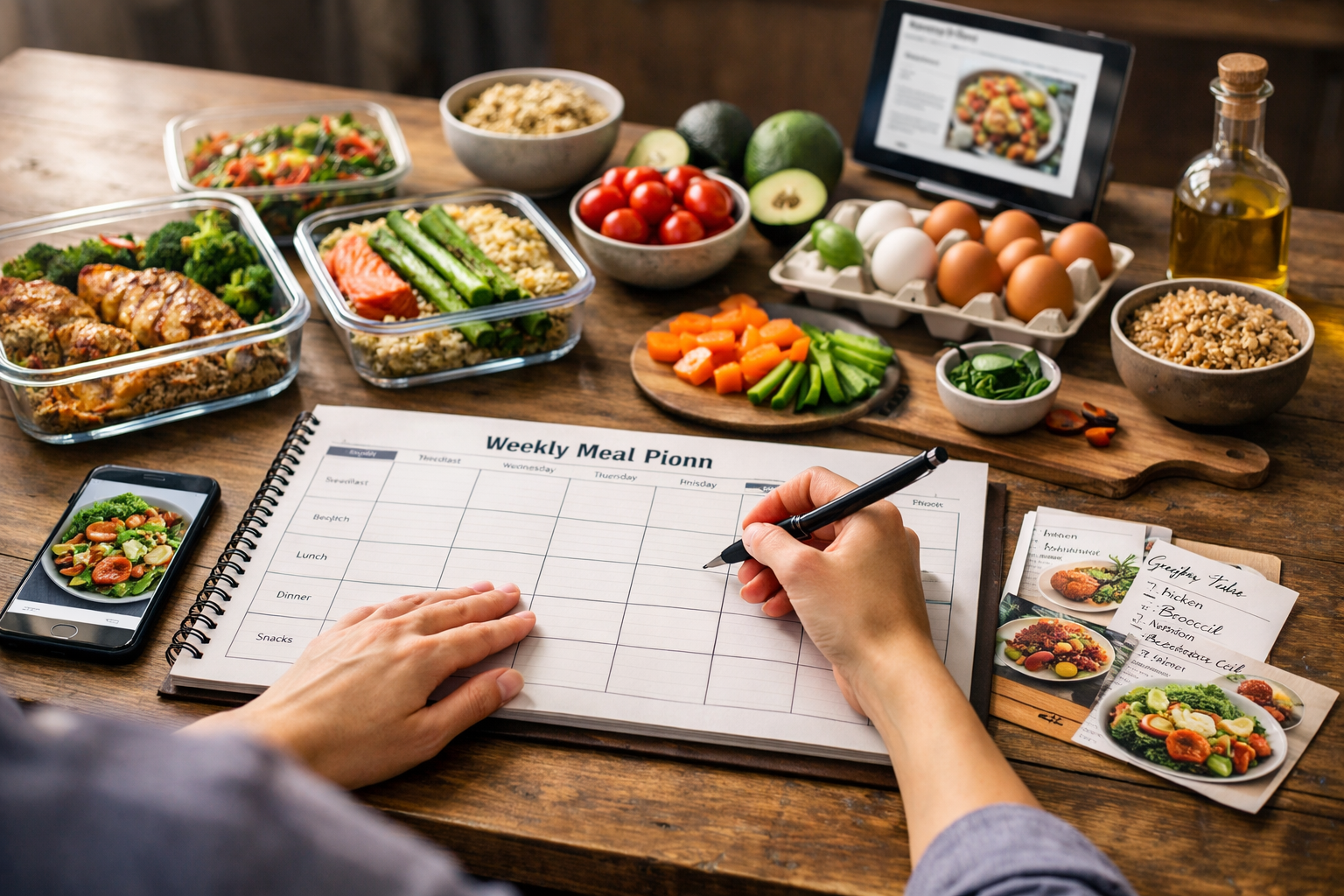
Prep Just Enough to Make Cooking Automatic
Meal prep does not need to be extreme. You do not need to spend your Sunday cooking 20 containers. Most people fail because they treat prep as a massive project instead of a small support system.
The best prep is “minimum effective prep.” This means doing only the tasks that remove friction during the week. A few examples: washing and chopping vegetables, cooking a batch of rice or quinoa, marinating protein, or making one sauce or dressing.
Prep should match your habits. If you hate cooking on weekdays, do more prep on the weekend. If you enjoy cooking but hate cleaning, prep components so weekday cooking is faster and cleaner.
Another powerful tactic is cooking double portions. If you cook chili, soup, curry, or pasta sauce, make extra and freeze half. Over time, you build a freezer library that makes future meal planning easier.
This is the hidden secret of how to create a weekly meal plan that keeps working: you slowly build a system that gets easier each week, not harder.
Make the Plan Flexible and Track What Actually Worked
Rigid meal plans break easily. A flexible plan survives real life. Flexibility does not mean you abandon structure. It means you plan with backup options and allow meals to move.
Instead of assigning every dinner to a specific day, you can plan a list of 4–5 dinners and cook them in any order. Then you add 1–2 quick meals for nights when you are too tired. This reduces the feeling of failure when the schedule changes.
Tracking is what turns meal planning into a skill. At the end of the week, note what meals you actually cooked, what you skipped, and what ingredients you wasted. You only need one minute to do this, but it improves your next plan dramatically.
Also track your personal patterns. Maybe you always struggle on Wednesdays, or you always get cravings for something salty on Friday nights. A good meal plan includes your real preferences, not just nutrition goals.
Over time, you will develop a short list of reliable meals, a stable grocery routine, and a realistic prep rhythm. That is when meal planning stops feeling like a chore and starts feeling like control.
Conclusion
The most effective way to learn how to create a weekly meal plan is to stop aiming for perfection and start building a repeatable system. Plan around your real schedule, use a simple meal structure, rely on core meals, shop with ingredient overlap, and prep only what removes friction. Keep the plan flexible, review what worked, and improve week by week.
FAQ
Q: How many dinners should I plan for in a weekly meal plan? A: Most people do best planning 3–5 dinners, then using leftovers, quick meals, and flexible options for the remaining nights.
Q: What is the easiest method for how to create a weekly meal plan if I’m a beginner? A: Use a repeating structure (like themed nights), choose mostly familiar meals, and limit yourself to one new recipe per week.
Q: How do I meal plan without wasting groceries? A: Pick meals that share ingredients, buy fewer unique items, and use delicate produce early while saving sturdy foods for later in the week.
Q: Do I need to meal prep to make weekly meal planning work? A: No, but small prep like washing produce, cooking a grain, or preparing a sauce makes weekday cooking faster and more consistent.
Q: What should I do if I don’t follow my meal plan perfectly? A: Treat it as feedback, not failure, and adjust next week by planning fewer meals, adding emergency options, or making the plan more flexible.