
Middle East war may force Rachel Reeves to raise taxes AGAIN despite warning burden is ALREADY hitting economy – as new report warns of impact on inflation and GDP
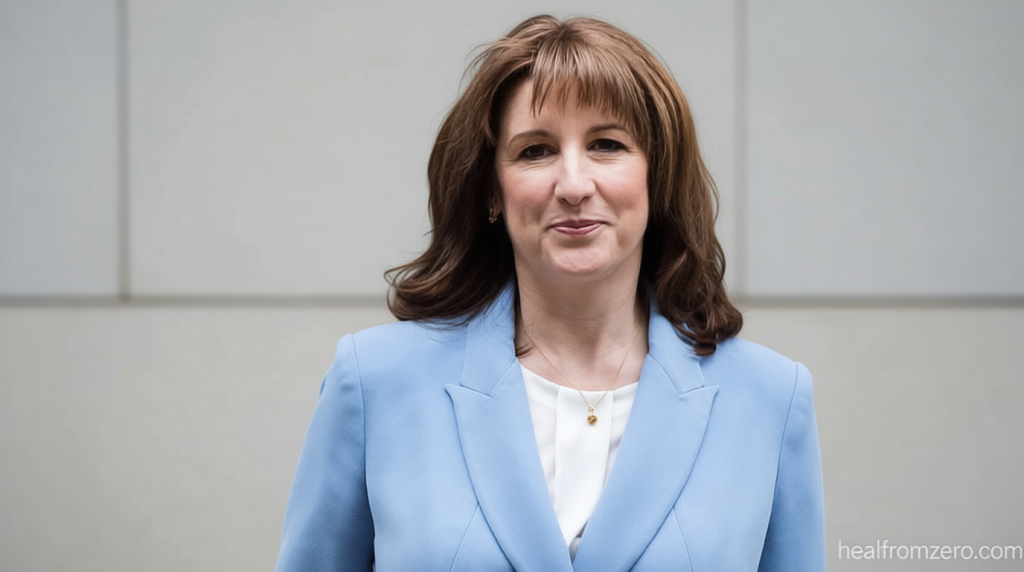
Middle East conflict threatens to push Rachel Reeves toward tax hikes as economic strain intensifies
OBR warns tax burden already risks hampering growth and inflation control
Rachel Reeves may face renewed pressure to increase taxation amid escalating tensions in the Middle East, which could amplify economic instability. The Chancellor has already imposed an additional £75 billion annually on British citizens, with the Spring Statement underscoring that the financial pressure is set to reach a new high.
Significant portions of this tax burden have been allocated to soaring welfare expenses, as Labour MPs compelled the government to abandon efforts to limit spending and lift the two-child benefits cap. Despite Reeves’ claims of improved fiscal health, the OBR highlighted that the government’s financial balance relies heavily on a surge in stock market revenues, which could be jeopardized by market fluctuations.
“It’s very difficult to increase taxes faster than GDP — which is what’s needed really to bring the fiscal situation back under control — it’s difficult to do that without doing some damage to incentives to invest, work, save…”
Recent volatility in the FTSE 100, following Trump’s attacks on Iran, has erased approximately a month’s worth of gains, sparking global economic uncertainty. Bloomberg Economics warned that prolonged Middle East hostilities might reduce GDP and elevate inflation if oil prices remain elevated.
OBR documents released alongside the Spring Statement revealed that the tax burden was already projected to surpass historical levels, reaching 38.5% of GDP by 2030-31. This exceeds the 38.3% forecast from November, raising concerns about the sustainability of current fiscal policies.
A scenario involving the closure of the strategically vital Straits of Hormuz and oil prices rising to $108 per barrel could decrease GDP by half a percentage point and elevate inflation by over one percentage point. In a less severe case, oil prices stabilizing around $80 would result in a 0.3 percentage point GDP drop and a 0.5 percentage point inflation rise.
Analysts noted the broader economic implications, including surging energy costs and the risk to savings and pensions, which are likely to intensify inflationary pressures and delay the Bank of England’s plans to cut interest rates this month.
“The takeaway is that we should not expect the Government to be able to meaningfully increase what we spend on defence – if that’s what it decides it wants to do – without significantly cutting other Government programmes or raising taxes.”
David Miles of the OBR emphasized the potential risks of rapid tax increases, stating that they might gradually diminish the UK’s productive capacity. The OBR also raised concerns about the government’s reliance on a limited base of higher-income taxpayers and the sensitivity of frozen earnings thresholds to inflation and wage changes.
The IFS think tank added that boosting defense spending to meet NATO targets would require an annual cost of £35 billion, equivalent to the combined budgets of the Ministry of Justice and Home Office. This would entail VAT rate increases of 3 to 3.5 percentage points, further straining household finances.