
‘Endless fears’: Even if fighting stops, the damage to Iran’s children will endure
Endless fears
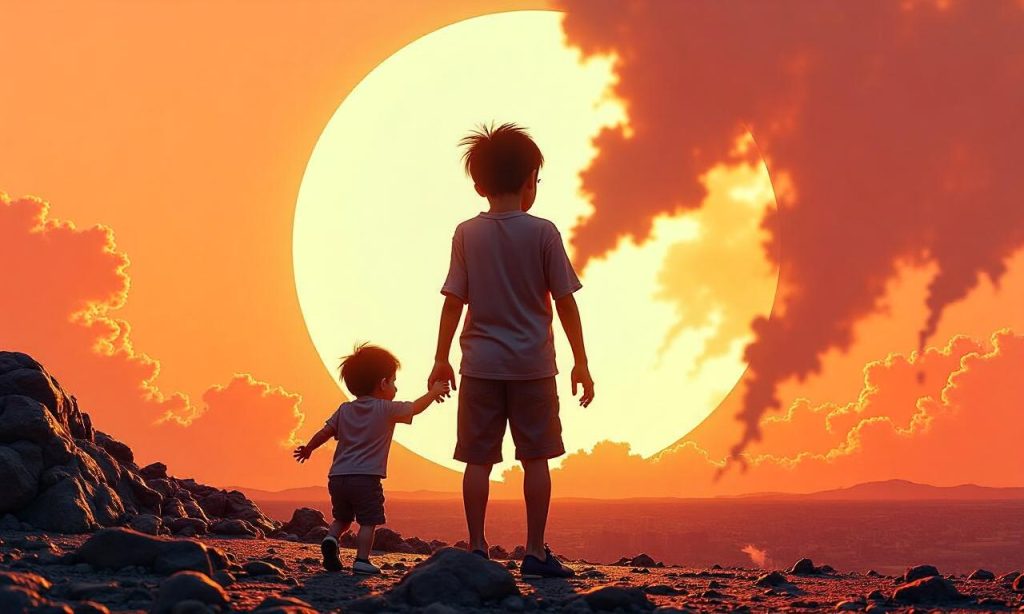
Ali’s mind is haunted by the war. Every slamming door or clatter of cutlery sends him into a panic. The temporary peace does little to ease his anxiety. “Before the conflict, I had no stress at all,” he recalls. “Now, even the smallest sound makes my brain react intensely.” At just 15 years old, Ali understands how the trauma of US and Israeli airstrikes has embedded itself in his psyche, triggering a reflexive startle response to sudden noises.
Hyper arousal and its toll
Psychologists describe the phenomenon Ali experiences as “hyper arousal,” a symptom that may signal the onset of post-traumatic stress disorder. The relentless sounds of explosions and fighter jets have reshaped his world. His father, unemployed due to the war, and his mother, perpetually on edge, offer no respite. “My mother stays indoors, and whenever planes fly overhead, she becomes consumed by fear,” he says. “I have no friends to talk to. I should be able to study, work, and grow into an independent person, but I’m stuck in endless worry about bombs and politics.”
A shrinking world
Iranian children’s lives have contracted dramatically. With schools closed and streets patrolled by militias, families retreat to their homes, unable to escape the threat of air attacks. “We wait and hope the ceasefire lasts,” says one parent. The BBC, working with local sources, has gathered accounts from those witnessing the impact of war on young minds. Names are altered for safety, but the emotional weight remains unchanged.
“Try to do the things I mentioned to create a calmer environment for him,” says Aysha, a counselor in Tehran. “If possible, play with him and keep him engaged. And if even then things don’t improve, bring him back to the centre.”
Children as targets
Aysha’s center is overwhelmed with calls and visits from anxious parents. “We see sleep disturbances, nightmares, reduced concentration, and even aggressive behavior,” she explains. “Raising a child is already hard, but when that child is killed in protests or war, no parent would willingly bring another into the world.” The Human Rights Activists News Agency (HRANA) reports 3,636 deaths in the conflict, including 254 children. Tens of thousands have been injured.
The Iranian regime has actively pushed children into the fray. Security laws permit the recruitment of minors under 15, defying international standards. “Take your children by the hand and bring them to the streets,” urged a regime official. “Let them feel like heroes on the battlefield. Mothers and fathers, send your children to guard checkpoints at night.” For 11-year-old Alireza Jafari, this call meant death. He was killed by a drone strike while accompanying his father on duty in Tehran on 29 March.
Sadaf Monfared, his mother, said the boy told her he “would like to become a martyr.” Amnesty International criticizes the regime for “trampling upon children’s rights” and violating humanitarian law by drafting youth into military service. “This is a war crime,” the organization states. The psychological scars, however, persist long after the fighting ceases, shaping the lives of millions of children across the region.