
Clock ticks on Trump’s Iran ultimatum with little sign of breakthrough
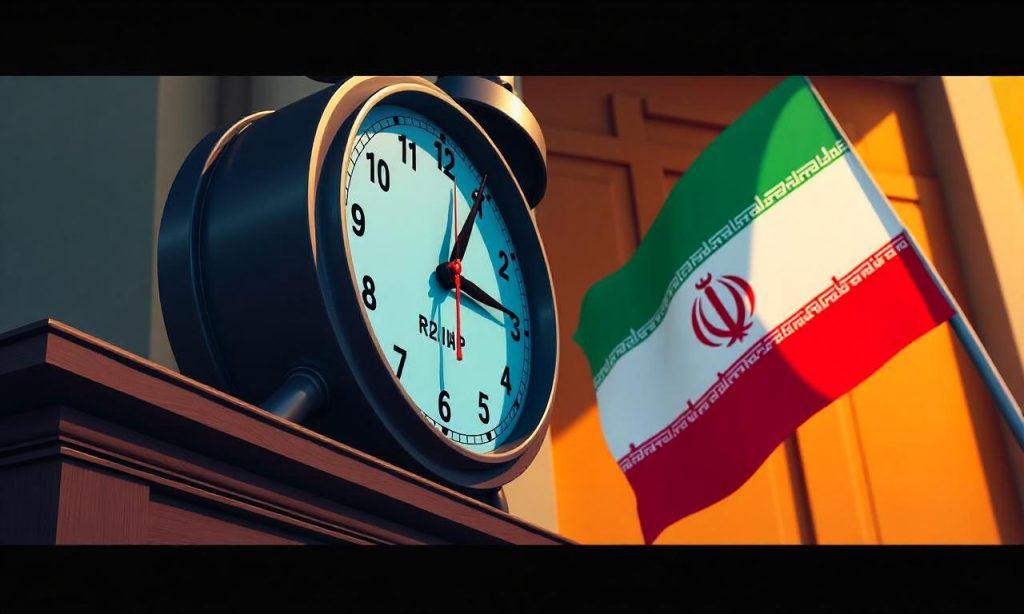
Clock ticks on Trump’s Iran ultimatum with little sign of breakthrough
Over the past five weeks, President Donald Trump and his allies in Israel have escalated tensions with Iran through a series of military actions. The latest phase of the conflict threatens to be the most severe yet, with Trump outlining a clear timeline for potential strikes. The attacks are scheduled to commence at 8:00 PM Eastern Time on Tuesday, which corresponds to midnight GMT on Wednesday. Within four hours, key Iranian infrastructure—including bridges and power plants—will reportedly face significant damage. “Nothing is off-limits,” Trump stated on Monday, emphasizing the urgency of Iran’s response. To avert this scenario, the president demands a pact “acceptable to me,” with a key clause ensuring unimpeded oil passage through the Strait of Hormuz.
The Threat of Devastation
As the deadline approaches, Iran has shown no willingness to meet Trump’s conditions. They have declined a short-term pause in hostilities and countered with their own set of requirements, labeled as “maximalist” by a U.S. official. This standoff leaves Trump in a precarious position: extending the deadline for the fourth time in three weeks could signal a loss of momentum, while retracting threats might weaken his authority. Despite the precision of this weekend’s operation to recover two American airmen trapped in Iran, Trump insists the nation has not yet been “militarily defeated.”
A Delicate Balance
The president’s Monday press conference highlighted both his confidence and his strategic concerns. He praised the “Midnight Hammer” raid on Iran’s nuclear facilities and the January capture of Venezuelan leader Nicolas Maduro, calling them feats of American military prowess. Yet, he admitted the recent rescue mission aimed to prevent a “potential tragedy” in Iran. While the operation succeeded, it revealed lingering vulnerabilities for U.S. forces in the region. “We can bomb them into submission,” Trump said, “but closing the Strait of Hormuz requires just one terrorist act.”
Despite his public resolve, Trump expressed hesitation about fully implementing his threats. He acknowledged the Iranian people’s endurance of the campaign but warned that destruction now would necessitate decades of rebuilding. “Do I want to destroy their infrastructure? No,” he said, adding that a full-scale attack could push Iran into a century-long recovery period. The possibility of a “crushing” retaliation from Iran looms, potentially triggering a humanitarian crisis in the region.
As the hourglass runs out, Trump remains optimistic. “We have a willing partner on the other side,” he said, hinting at ongoing negotiations. His refusal to disclose the full scope of his strategy has raised questions about whether talks are progressing behind closed doors or if his approach is a mix of calculated risks and hopeful anticipation. “They have till tomorrow,” he concluded, “and we’ll see what happens.” The outcome hinges on whether Iran can convince Trump that a deal is within reach—or if the war will continue to escalate.