
Asylum-seekers increasingly face detention while their cases proceed, in a departure from the past
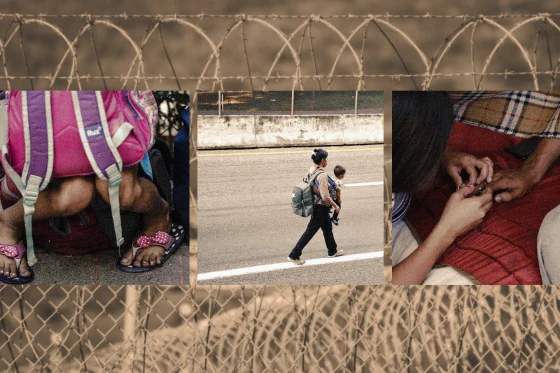
Asylum-seekers increasingly face detention while their cases proceed, in a departure from the past
Policy Shift Sparks Concern Over Unprecedented Detentions
Under the Trump administration, individuals seeking asylum without criminal histories are now facing detention across the U.S. This marks a significant change from earlier practices, where applicants were permitted to work and settle in American communities while their cases were being reviewed. Attorneys report that the arrests follow a consistent pattern, often occurring unexpectedly as asylum-seekers go about their daily routines.
Detainees frequently find themselves swept into ICE’s system after mundane activities—such as running errands or commuting to work—leaving them in difficult conditions and a more adversarial legal process. They also endure pressure to leave the country voluntarily, according to their advocates. Recent reports highlight detentions in states like Minnesota, New York, Virginia, Ohio, Oklahoma, Maine, Alaska, Wisconsin, California, and Texas.
“This is absolutely unprecedented,” said Robin Nice, an attorney who noted that six of her clients were detained by ICE in Maine, despite having no criminal records. “We talked about it in the same way as getting struck by lightning.” She added that prior to six months ago, she could confidently assure her clients they wouldn’t be detained during pending asylum applications.
Conditions in Detention Centers Draw Criticism
Asylum-seekers, who are already known to the government and participate in legal processes like mandatory check-ins, are now being placed in detention centers with reported inhumane conditions. These facilities lack adequate medical care, restrict access to legal representation, and provide insufficient food. Elora Mukherjee, a Columbia Law School professor and director of its Immigrants’ Rights Clinic, described the impact: “It destroys people’s sense of stability as they are trying to do the right thing and pursue their claims for safety in the United States.”
“I’ve had clients in detention, literally from New Jersey to Texas, who’ve given up on their cases because conditions are so unbearable,” Mukherjee added.
The administration defends the practice, stating that pending asylum cases do not grant any legal status. A DHS spokesperson emphasized that “each illegal alien receives due process,” while noting the backlog includes many “meritless applications.” The statement also highlighted USCIS’s role in “screening and vetting all aliens seeking to come, live, or work in the United States.”
Despite these claims, the department has not provided data on how many asylum-seekers with active cases have been detained under the current policy. In one case, Tatiana’s husband was taken from his daily routine, leaving their family in disarray. The couple, who fled Ecuador and faced political death threats, now seeks asylum in Florida. Tatiana, a member of the Asylum Seeker Advocacy Project, requested anonymity to avoid potential immigration reprisals.
Tatiana’s story reflects the broader disruption caused by the policy. Her husband, a handyman, was detained on his way to work, severing the family’s decade-long stability. The case underscores the growing uncertainty for asylum-seekers, who are now at risk of being removed even as they navigate the legal system.