
The Greens’ Gorton and Denton by-election win was about inclusion — not sectarianism
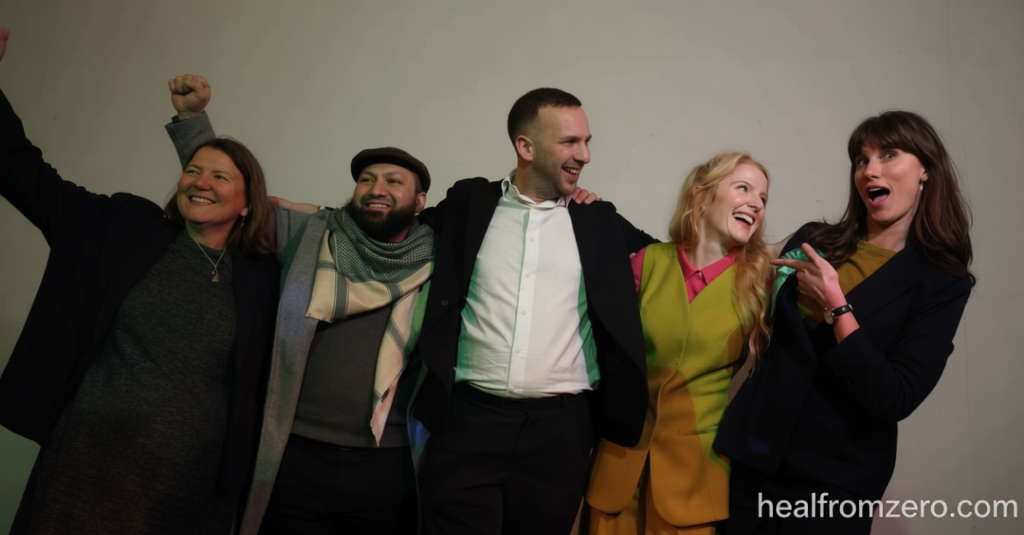
The Greens’ Gorton and Denton By-Election Victory Reflects Commitment to Inclusion
It was a historic night. The Green Party secured their first parliamentary by-election win in Gorton and Denton, breaking the grip of a Labour majority that had stood for over 13,000 votes. This achievement wasn’t just a political milestone—it was a powerful statement about the potential for a new kind of politics that prioritizes unity and shared values.
A Shift in Political Narrative
For the first time, a Green MP has been elected in the North of England, but this success extends beyond that. It signifies a broader movement toward inclusivity, challenging the traditional dominance of Westminster’s English-speaking rhetoric. Critics, including Matt Goodwin of Reform, have labeled our campaign as divisive, but the reality is far more nuanced.
Communicating in People’s Language
The key to this victory lay in our ability to connect with voters on a personal level. We didn’t just talk about policies—we spoke to them. In Gorton and Denton, where nearly 40% of residents are Muslim and many speak Urdu, Bangla, or Arabic at home, our message resonated because it was delivered in their own tongue.
A viral Urdu video became a centerpiece of our outreach, illustrating how multilingual efforts can bridge divides. This wasn’t a superficial tactic; it was a sincere effort to reflect the lived experiences of those often overlooked in British politics.
Language as a Bridge, Not a Barrier
Politics has long relied on a single, narrow dialect—often the polished English of Westminster. Yet in communities where language shapes identity, that approach risks exclusion. We countered by creating materials in multiple languages, ensuring everyone could engage with our vision. As one of our leaders stated, “In a democracy, language should never be a barrier to participation; it should be a bridge.”
Global Lessons in Inclusive Campaigning
International examples show the value of this strategy. Zohran Mamdani’s success in New York, where Arabic, Spanish, and Urdu campaign videos expanded political discourse in underrepresented groups, proves that multilingual outreach isn’t about division—it’s about invitation. His victory, celebrated by Labour supporters, underscores how inclusive messaging can unite diverse communities.
Rejection of Sectarianism, Embrace of Hope
The issues we addressed—rent, bills, NHS funding, racism, and peace—were universal. Whether a voter spoke English or Punjabi, Urdu, Somali, or another language, their concerns mattered. Our campaign didn’t just highlight these topics; it affirmed that every voice deserves to be heard. This approach resonated deeply, especially in areas where traditional politics had failed to connect.
“This was one part of a campaign I am proud of. One that has seen a 26.5% swing toward the Greens. Our win isn’t just about growing parliamentary representation—it’s about proving that inclusion can transform political engagement.”
The victory in Gorton and Denton reflects a growing demand for politics that respects cultural diversity and amplifies marginalized voices. It’s a testament to what happens when communities feel their experiences are valued, not dismissed. As the site notes, participation in democracy is now more accessible, thanks to efforts that embrace linguistic and cultural plurality.
To view this video, enable JavaScript and use a web browser that supports HTML5. The video highlighted our commitment to bridging divides through relatable messaging. Meanwhile, the reCAPTCHA system ensures the site’s security, with privacy policies and terms of service governing how user data is handled.
Ultimately, the night demonstrated that hope and inclusion can triumph over exclusion. By speaking in the languages of the people, the Greens have shown that politics can be a space for everyone, not just the privileged few.