
She spent 20 months battling to die under a euthanasia law. On Thursday, Spain let her
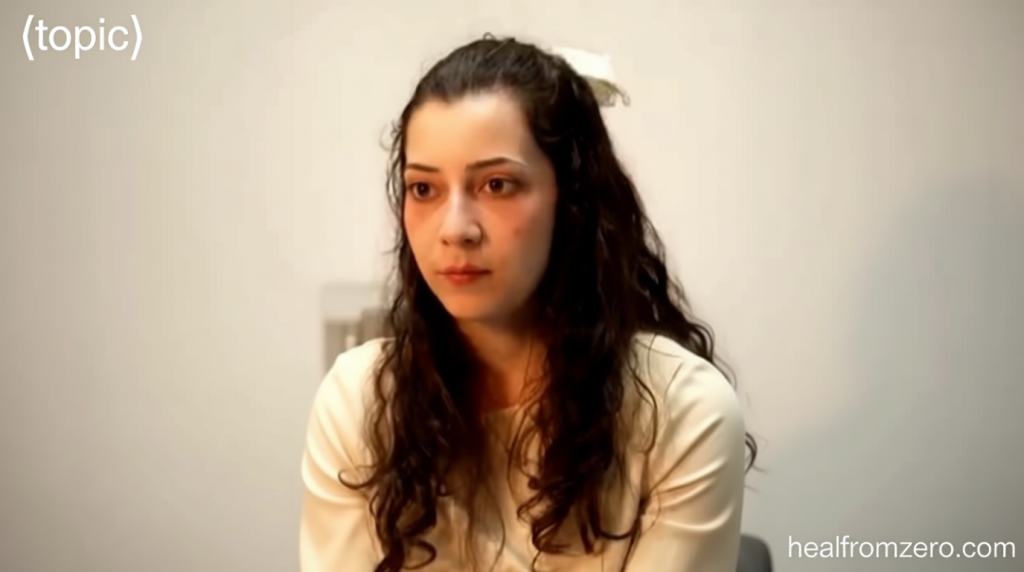
Spain Grants Euthanasia to Young Woman After 20-Month Struggle
On Thursday, Spain granted Noelia Castillo the right to end her life, marking the culmination of a 20-month battle under the country’s euthanasia legislation. Her journey, defined by profound physical and emotional suffering, reached its conclusion at 25 years old, as she finally achieved the peace she sought.
A Life Shaped by Turmoil and Trauma
Noelia Castillo’s path to this decision was paved by a series of personal hardships. At 13, the separation of her parents plunged her into a chaotic home environment, which she later described as a catalyst for her mental health struggles. She spent time in a supervised care center, where she was diagnosed with Obsessive-Compulsive Disorder and Borderline Personality Disorder. Her emotional pain was compounded by three instances of sexual abuse: one by an ex-partner, another in a nightclub involving two men, and a third in a bar with three young men. Castillo never reported these incidents, feeling they were too overwhelming to confront at the time.
The Legal Process and Family Opposition
Castillo’s request for euthanasia was approved by the Catalonia Guarantee and Evaluation Commission on July 18, 2024. The commission deemed her condition “nonrecoverable,” resulting in “severe dependence, persistent pain, and chronic suffering that eroded her autonomy.” However, her father’s opposition delayed the process for months. Advised by the ultraconservative Christian Lawyers group, he launched a legal challenge, arguing that Noelia was not mentally fit to make the decision. This led to a prolonged review spanning five judicial levels, from a Barcelona court to the European Court of Human Rights.
“I understand he’s a father, that he doesn’t want to lose a daughter,” Castillo reflected in her interview. “But why does he want me alive? To keep me in a hospital?”
Despite the legal hurdles, all courts ultimately affirmed her capability to decide her fate. Castillo’s perseverance through the process was a testament to her determination. “I finally did it, and now maybe I can finally rest,” she told the Antena 3 journalist. “I can’t take this family anymore, I can’t take the pain anymore, I can’t take everything that torments me in my head.”
Final Moments and a Quiet Farewell
In her last hours, Castillo chose solitude, asking to be left alone in her room. “I don’t want anyone inside,” she said. “I don’t want them to see me close my eyes.” Her decision, rooted in years of anguish, was a personal victory over the suffering that had defined her life.