
Nepal’s early vote count puts ex-rapper’s party ahead
Nepal’s early vote count puts ex-rapper’s party ahead
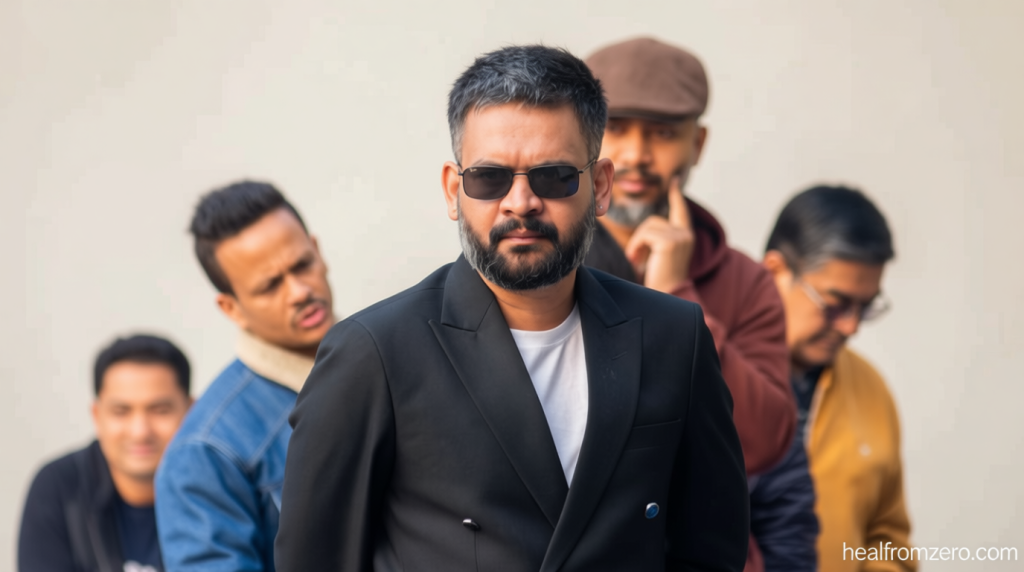
Political tensions in Nepal have shifted dramatically as early election results reveal a significant advantage for Balendra Shah’s centrist Rastriya Swatantra Party. The 35-year-old former mayor of Kathmandu, who transitioned from music to politics, has dominated public discourse during the campaign, resonating with young voters seeking transformative change. His party currently holds the lead in 37 parliamentary seats, far surpassing competitors like the Communist Party of Nepal (Unified Marxist-Leninist – UML), which is projected to secure three seats. Meanwhile, the Nepali Congress, led by 49-year-old Gagan Thapa, trails with five seats. These trends, shared by the election commission on Friday morning, suggest a realignment in the nation’s political landscape.
Officials anticipate the final results to be finalized by Friday evening or Saturday. The 275-seat lower house of parliament is divided into 165 directly elected constituencies and 110 proportional representation seats. Shah’s campaign has drawn massive support, particularly from grassroots movements and online platforms, as he contested Oli’s stronghold in the Jhapa 5 constituency. His rise contrasts with the former prime minister, K P Sharma Oli, 74, who stepped down after a youth-driven uprising last year.
Political instability in Nepal, which has persisted for decades, has deepened economic challenges and social unrest. The country’s agrarian economy and high unemployment rates have been worsened by systemic corruption, creating a backdrop for the recent protests. These demonstrations, sparked by a social media ban in September, erupted into widespread clashes, prompting the resignation of Oli and highlighting the public’s demand for accountability.
With 30 million people situated between China and India, the election results may signal a turning point in the nation’s governance. The contest underscores shifting allegiances and the growing influence of younger generations in Nepal’s political arena.