
‘We can’t take it anymore’: How Trump is pushing Cuba to the brink
We can’t take it anymore: How Trump is pushing Cuba to the brink
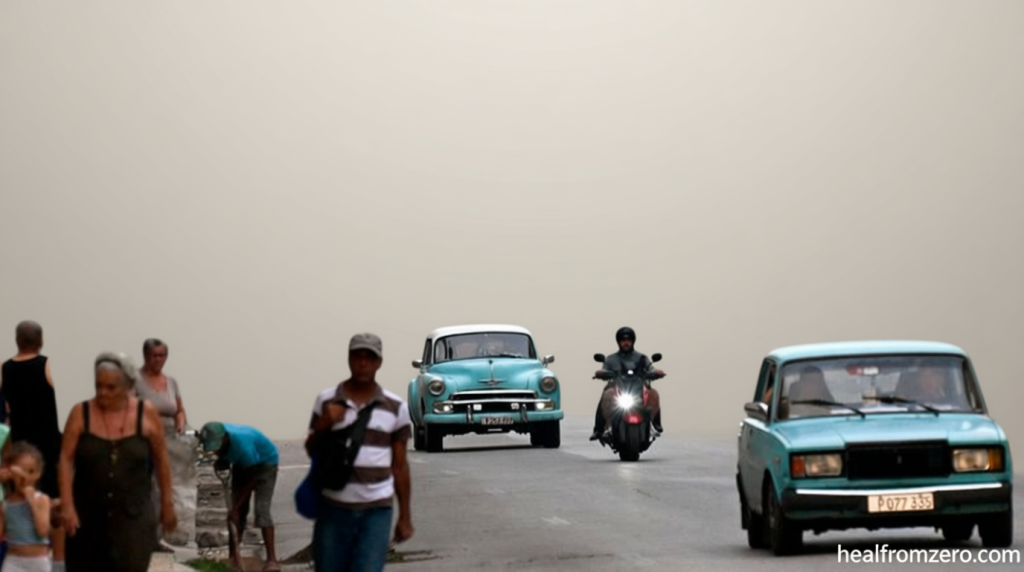
A Cuban man approached me quietly on the street, speaking in hushed tones as though revealing a hidden truth. “Let the Americans come, let Trump come, it’s time to get this over with,” he murmured. His words, though faint, carried the weight of a people weary of prolonged hardship. This moment, in Havana, reflects the growing frustration Cubans feel as the Trump administration intensifies economic pressure on their island. The threat of U.S. sanctions, once a relic of the Cold War, now looms with renewed urgency. I scanned the surroundings, wary of eavesdroppers, as my cameraman recorded his statement. The man, a bicycle-taxi driver, spoke of families struggling to afford basic needs. “People can’t feed their families,” he added, his voice trembling with resignation.
For over six decades, Cuba has endured cycles of upheaval: failed CIA invasions, nuclear confrontations, and mass departures from the island. Yet, the current crisis feels different. Donald Trump, in his second term, has escalated measures against Venezuela and Iran, now targeting Cuba with a sharp, calculated approach. His oil embargo, implemented swiftly, has crippled the island’s economy, leaving it vulnerable. “Cuba is going to fall soon,” Trump declared to CNN’s Dana Bash, a claim that echoes past U.S. rhetoric but carries a new intensity. Unlike the 1962 missile standoff, where naval blockades restricted access, the practical consequences today are starkly similar.
With allies like Venezuela, Mexico, and others under duress, Cuba’s once-stable oil supply has dwindled. The result? Many of the government’s newly built hotels, funded by public resources, now sit abandoned. Employees are sent home, and tourists have vanished, leaving state-run gas stations empty. “Cuba is not alone,” the government insists, but the island appears isolated, much like after the Soviet Union’s collapse. Power outages, which once lasted hours, now stretch for days. Cubans rise in the night, using meager light from flickering bulbs to prepare meals and iron clothes.
During a recent 36-hour blackout, a group of men cooked a large pot over burning tree limbs on Havana’s main avenue. “We have returned to the Stone Age,” one remarked, his tone oddly cheerful. Without fuel, most vehicles are parked. Government rentals for tourists remain the only cars able to refuel regularly at state stations, prompting Cubans to siphon gas for the black market. A single tank now costs over $300, surpassing the annual income of many citizens. Scavenging through trash for food has become a daily reality, even for children.
Trump asserts that Cuba is desperate to negotiate, but officials I spoke with dismissed this, stating the U.S. will not dictate terms again. The rallying cry of “The homeland or death. We will be victorious!” still echoes, yet exhaustion has set in. Some Cubans hope for change, no matter its form. When my cameraman reappeared, I asked if the taxi driver wished to share his perspective. He turned away, unwilling to voice his grievances above a whisper—at least not yet.
“We can’t take it anymore,” the man said, his words barely audible as he stepped back into the shadows.