
Now Russia and Ukraine are fighting it out on the gas station forecourt
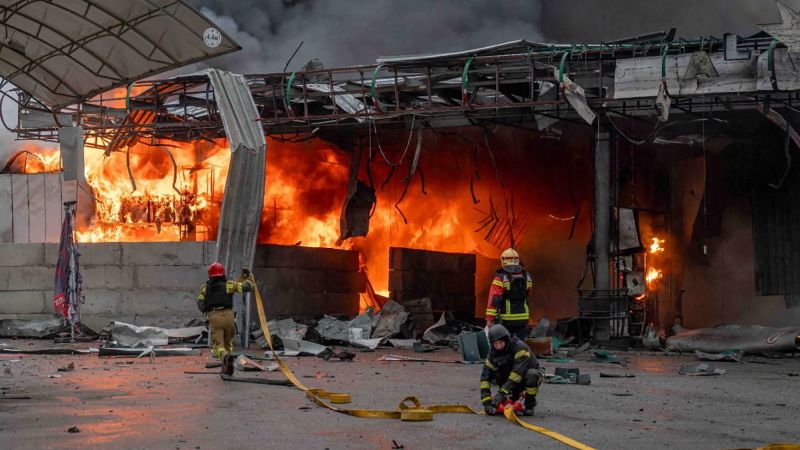
Ukraine’s Fuel Stations Become Battlegrounds as Russian Drone Campaign Intensifies
Healfromzero.com – Ukrainian fuel stations have emerged as critical targets in Russia’s escalating assault on civilian infrastructure, with over two hundred locations struck across June and July alone. According to Ukrainian authorities, this represents approximately three attacks per day, creating widespread disruption for communities and travelers alike.
Mykhailo Tsypliakov, a Ukrainian policeman, experienced the danger firsthand while assisting colleagues at a burning gas station. As he worked to contain the flames, he detected the distinctive hum of an approaching drone. Tsypliakov dropped to the ground immediately. “I saw a flash, then got up right away,” he recalled. “I saw that my arm, legs and torso were injured.” He now stands among dozens of civilians caught in Russia’s newest offensive against the nation’s fuel network.
The strategic purpose behind these attacks extends beyond mere destruction. Tsypliakov explained that Russian forces aim “to intimidate, to sow fear and panic.” He emphasized that “Panic is the scariest thing right now. Because when a person panics, they lose control of themselves.” The targeting strategy focuses heavily on stations positioned near active combat zones, making them more accessible to Russian attack drones, though airstrikes and longer-range unmanned vehicles have also struck locations closer to Kyiv.
Mirroring Chaos: A Strategic Response
Ukrainian observers interpret the Russian campaign as an attempt to replicate the chaos currently visible at Russian fuel stations. Repeated Ukrainian strikes on Russian refineries have created massive fuel queues throughout Moscow and other major Russian cities. This parallel development coincides with Western warnings that Russian President Vladimir Putin may escalate his response to Kyiv’s sustained drone campaign against Russian industrial facilities.
Images showing Russian delivery warehouses and refineries engulfed in flames have undermined Moscow’s efforts to project stability four years into the conflict. The United Nations has documented that June marked the deadliest month for Ukrainian civilians since 2022, while Russia simultaneously deployed record numbers of ballistic missiles in recent weeks.
A CNN investigation identified and verified at least thirty video recordings documenting gas station attacks throughout Ukraine during the summer months. Regina Kharchenko, acting mayor of Zaporizhzhia, reported that her city endured fifty-four strikes on fuel stations within a twenty-four-day window ending July 27. These attacks resulted in four deaths and twenty-nine injuries. “This is deliberate terrorism targeting civilian infrastructure and civilians,” Kharchenko declared. “Russia is deliberately targeting facilities that have no military significance, but… are essential to the daily functioning of a big city.”
Essential Lifelines in Wartime
Zaporizhzhia has become increasingly vulnerable as Russian drone capabilities extend beyond the traditional “kill zone” near front lines, allowing Moscow’s attack craft to operate within major population centers. Kramatorsk, a Donbas town experiencing gradual Russian advances, and border city Kharkiv face similar pressures.
Within Ukraine’s vast territory—where commercial aviation remains impossible and transportation relies on extensive road and rail connections—fuel stations serve as vital gathering points. Evacuees, military personnel, and commercial drivers all depend on these locations to rest and refuel.
Yaroslav Starovoitenko, president of the Ukrainian Oil and Gas Association, stated that Russian attacks sought “intimidating” ordinary citizens. He noted that “Gas stations became these key points of refuge as people fled the war. Then Russia tried to cause an intentional blackout, cutting off electricity and heating to freeze us out in the winter.” Fuel stations maintained continuous generator operation, creating spaces where “people could drink hot tea, fill up their cars, warm up, and even prepare milk for their babies.”
Despite the mounting attacks, panic has not become universal. Serhiy, a former soldier discharged after sustaining serious wounds on the front line, expressed remarkable calm. “If a strike comes here, what’s the difference?”, he questioned. “It didn’t kill me on the front line, so it won’t kill me here.” Vladyslav, a delivery driver, acknowledged the uncertainty: “No one knows where the attack will strike, and no one knows what will happen next. But I’m working. I can’t just not go.” Maksym, another driver, warned that “now there are no problems in Kyiv, but of course there will be if they keep destroying them.”
Russia has actively promoted these attacks through digital channels. Russia’s elite drone unit, Rubicon, released footage this month documenting nine separate strikes on gas stations across the Kharkiv and Sumy regions. Ukrainian officials believe Moscow intends to demonstrate its capacity to generate comparable disruption to Ukraine’s fuel distribution network.
Related Reading
Frequently Asked Questions
What is Now Russia and Ukraine are fighting?
Now Russia and Ukraine are fighting is the main topic of this guide. The article explains the context, practical details, and next steps readers should understand.
Why does Now Russia and Ukraine are fighting matter?
Now Russia and Ukraine are fighting matters because readers are looking for a useful answer, not just a short summary. Good content should match search intent and help them decide what to do next.