
Why Iran chose to restart the fight after the US stopped firing
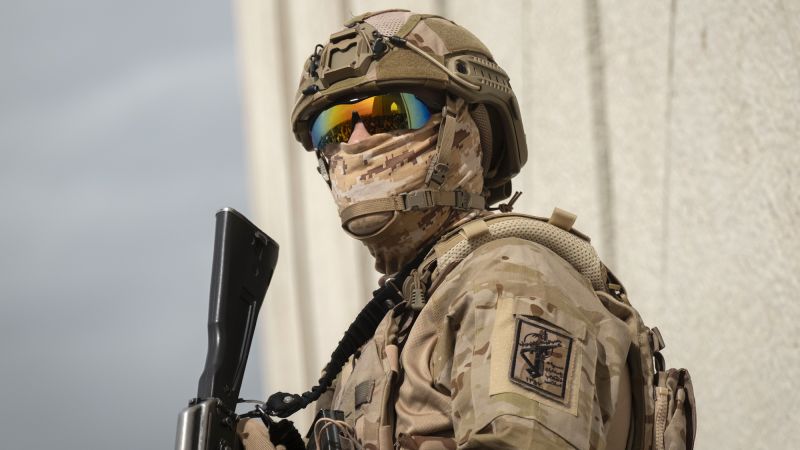
Iran Decides to Rekindle Hostilities Following American Ceasefire
Healfromzero.com – Days of relative tranquility across the Middle East have concluded after Tehran initiated what Washington described as an unexpected offensive. This marks a notable departure from previous patterns of engagement. Instead of waiting for another American assault, the Iranian government elected to reignite hostilities independently, demonstrating an increasing readiness to employ military power according to its own timetable. Consequently, this move positions the region for potential further escalation.
Speaking to Fox News on Wednesday morning, President Donald Trump expressed confidence in America’s response.
“We are going to beat the f**king sh*t out of them,” he declared. “We’ll be hitting them hard. They’re going to get a beating.”
Such warnings would not have caught Tehran off guard, as the country launched its missiles anticipating that American bombers might return.
Overnight Military Response
During the night, the United States military announced it executed a “heavy wave of strikes” targeting Iran following Tehran’s effort to attack American personnel. These operations hit “dozens” of facilities belonging to the Islamic Revolutionary Guard Corps (IRGC). The timing proved significant, as Trump had previously explained that the previous week’s pause occurred because Iran “asked us very nicely” and desired diplomatic discussions.
While Tehran never formally pledged to maintain the recent ceasefire, a high-ranking Iranian official confirmed that “our armed forces also decided not to take military action.” This makes the current decision to resume firing particularly noteworthy.
Strategic Shift in Iranian Approach
Hours after publicly indicating it would mirror American restraint, Tehran targeted American forces—apparently concluding that increasing pressure justified the danger of renewing nightly bombardment. Hamid Reza Azizi, a researcher at the German Institute for International and Security Affairs, noted on X:
“Something appears to have changed fundamentally in Iran’s approach, particularly regarding its willingness to initiate a strike if it considers that to be the only viable option.”
The Iranian offensive arrived shortly after Israeli Prime Minister Benjamin Netanyahu met with Trump in Washington, DC. The Israeli leader characterized their discussion as “one of the best conversations” they have shared since tensions emerged between them. Prior to this meeting, Israeli Defense Minister Israel Katz revealed that Israel had desired to attack Iranian energy facilities but remained restrained by the Trump administration.
Azizi further observed:
“The attack appears to have been a signal related to Netanyahu’s visit to the White House earlier in the day. It suggests that Iran’s military strategy may have changed and that Tehran is now prepared to launch a preemptive strike if it detects signs of an imminent threat.”
Regional Expansion of Conflict
Following the attack in Jordan, American and Saudi military forces simultaneously targeted Iran-backed militias operating in Iraq. US Central Command characterized this Iraqi operation not as direct retaliation for the Jordan incident, but rather as a response to more than 30 drone assaults against American forces and Saudi energy infrastructure during the preceding 72 hours.
This overnight escalation illustrates how the conflict continues to broaden. Saudi Arabia, historically cautious about direct involvement, is becoming increasingly engaged while confronting threats from multiple directions: the Houthis in Yemen, Iranian-backed militias in Iraq, and Iran itself.
Danny Citrinowicz, a senior researcher at Israel’s Institute for National Security Studies and former head of the Iran branch in Israeli military intelligence, wrote on X:
“The central challenge facing Washington and its Gulf partners is that neither Iran nor its regional allies appear willing to retreat from what they now define as core strategic objectives.”
He continued, noting that
“Tehran continues to insist on maintaining its leverage over the Strait of Hormuz, while the Houthis have made clear that they will not end their campaign unless the Saudi-led (blockade) imposed on them (is) lifted.”
Tehran’s Position on the Strait of Hormuz
In an interview with Iranian state television published mere hours before the Jordan attack, Deputy Foreign Minister Kazem Gharibabadi provided one of the most explicit statements of Tehran’s stance. He indicated that while Iran had halted firing, it would not hesitate to resume hostilities if its sovereignty claim over the Strait of Hormuz faced challenge. The deputy foreign minister emphasized that Tehran could not view itself as victorious if the strait reverted to its prewar condition, describing the waterway as central to national security and a “defensive tool.”
When questioned about why Tehran risked restarting the war by attacking commercial vessels despite an active ceasefire, Gharibabadi explained that Iran viewed attempts by Oman and the United States to create a competing shipping arrangement as a direct threat to its interests in the region.
Related Reading
Frequently Asked Questions
What is Why Iran chose to restart the fight?
Why Iran chose to restart the fight is the main topic of this guide. The article explains the context, practical details, and next steps readers should understand.
Why does Why Iran chose to restart the fight matter?
Why Iran chose to restart the fight matters because readers are looking for a useful answer, not just a short summary. Good content should match search intent and help them decide what to do next.