
Paramount agrees to delay Warner Bros. Discovery takeover for months
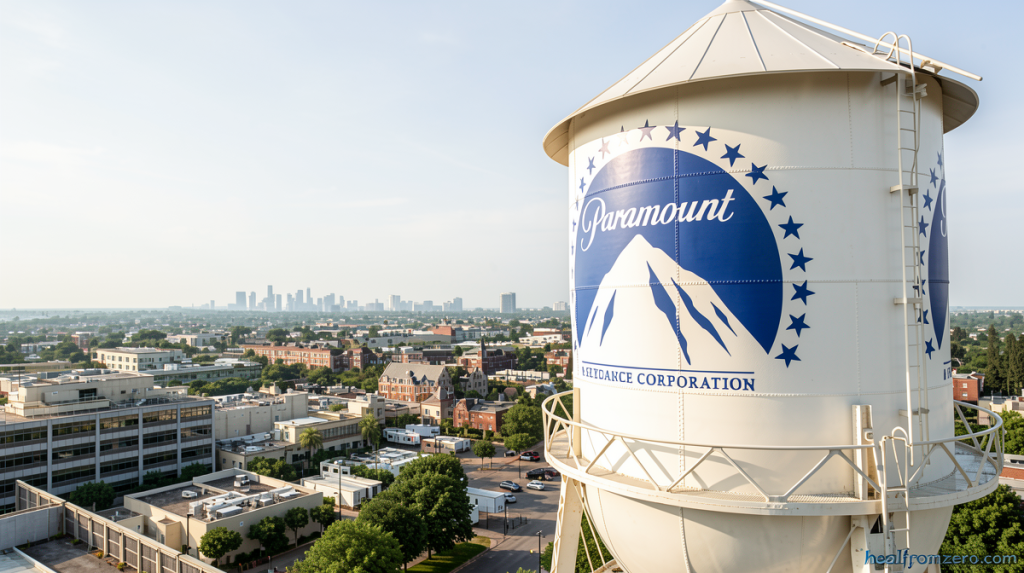
Paramount Postpones Warner Bros. Discovery Acquisition Amid Legal Challenges
A Strategic Pause in Hollywood’s Biggest Deal
Healfromzero.com – Paramount Global has announced a significant postponement of its planned acquisition of Warner Bros. Discovery, the media conglomerate that owns CNN. The entertainment giant revealed that the transaction will be put on hold for an extended period, potentially stretching well into 2027. This decision comes as the company navigates mounting legal obstacles from both state attorneys general and the Writers Guild of America.
According to a court filing submitted on Friday afternoon, Paramount has consented to refrain from finalizing the massive merger until either an antitrust trial concludes or June 1, 2027 arrives, whichever milestone occurs first. The existing merger contract between the two companies is set to expire on March 4, though it contains provisions for automatic extension through June 4, 2027. This development fundamentally disrupts Paramount’s initial timeline, which had envisioned completing the acquisition by late September.
Market Reaction and Legal Strategy Shift
The announcement received enthusiastic responses from deal skeptics who had long opposed the consolidation. Following the news, stock prices for both Paramount and Warner Bros. Discovery experienced notable declines. While the postponement creates uncertainty, it does not eliminate the possibility that all involved parties could eventually reach a settlement that clears regulatory hurdles for the merger. Currently, however, there are no clear signals that litigation is trending toward resolution.
The Friday agreement emerged from extensive negotiations among legal representatives for every party involved. This arrangement eliminates the August 3 hearing where states had requested a preliminary injunction, and simultaneously withdraws a comparable motion filed by the Writers Guild. An executive connected to the matter informed CNN that Paramount’s legal team determined plaintiffs would likely succeed at the preliminary injunction phase. Consequently, the company concluded it would be more advantageous to bypass that stage entirely and pursue a rapid jury trial instead.
Paramount is saying “let’s go straight to trial in California District Court,” analyst Rich Greenfield of Lightshed Research said. Greenfield noted that “even if Paramount loses in District Court, this would accelerate the time frame for an appeal to the Ninth Circuit Court and potentially to the Supreme Court in 2027.”
Judicial Approval and Trial Timeline
Judge Araceli Martínez-Olguín, who oversees the California case, swiftly endorsed the proposed agreement. Court documents indicate that the involved parties will now coordinate scheduling for a trial addressing the core antitrust allegations, with a suggested timeline to be submitted by next Friday. This approach represents a significant strategic pivot for Paramount.
The company characterized the arrangement as a “significant win” for its interests, emphasizing that the outcome aligns with its original objectives. In an official statement, Paramount explained: “This is the fastest and clearest way to prove that this transaction is good for competition, good for consumers, and good for creators, a conclusion dozens of competition authorities around the world have already reached.” The studio further criticized the opposing parties’ market definitions, stating they “bear no relationship to the realities of today’s marketplace and cannot withstand scrutiny.” Paramount expressed confidence that it would successfully demonstrate its case during trial proceedings.
Financial Implications and Regulatory Landscape
Despite Paramount’s optimistic framing, industry analysts identified the development as a substantial setback that compounds existing concerns about the controversial transaction. The postponement carries potential financial consequences for Paramount. Under current merger terms, the company must begin paying Warner Bros. Discovery shareholders a quarterly ticking fee of 25 cents per share for each quarter the deal remains unfinished after September 30.
Regulatory approval has already been secured from major jurisdictions. The US Department of Justice granted its blessing for the merger last month, while the European Commission provided conditional approval on Wednesday. That European authorization required Paramount to make several commitments, most notably withdrawing from a film distribution joint venture with Universal in European markets.
“Our argument against this illegal merger is straightforward: When too few corporations have too much power in markets central to American life, it makes things more expensive, and it makes things worse,” California Attorney General Rob Bonta said in a statement Friday afternoon. Bonta said, “We are eager to continue to make our case in court and celebrate another tremendous win in our effort to ensure this unlawful merger never sees the light of day.”
The California lawsuits remain the primary barrier to completion. A coalition comprising twelve state attorneys general contends that combining these entertainment giants would diminish competition and negatively impact consumers. For now, the deal uniting two of Hollywood’s most powerful studios remains in deep freeze, with all parties preparing for what could be a lengthy legal battle ahead.
Related Reading
Frequently Asked Questions
What is Paramount agrees to delay Warner Bros?
Paramount agrees to delay Warner Bros is the main topic of this guide. The article explains the context, practical details, and next steps readers should understand.
Why does Paramount agrees to delay Warner Bros matter?
Paramount agrees to delay Warner Bros matters because readers are looking for a useful answer, not just a short summary. Good content should match search intent and help them decide what to do next.