
Little bottles are becoming a big business for booze
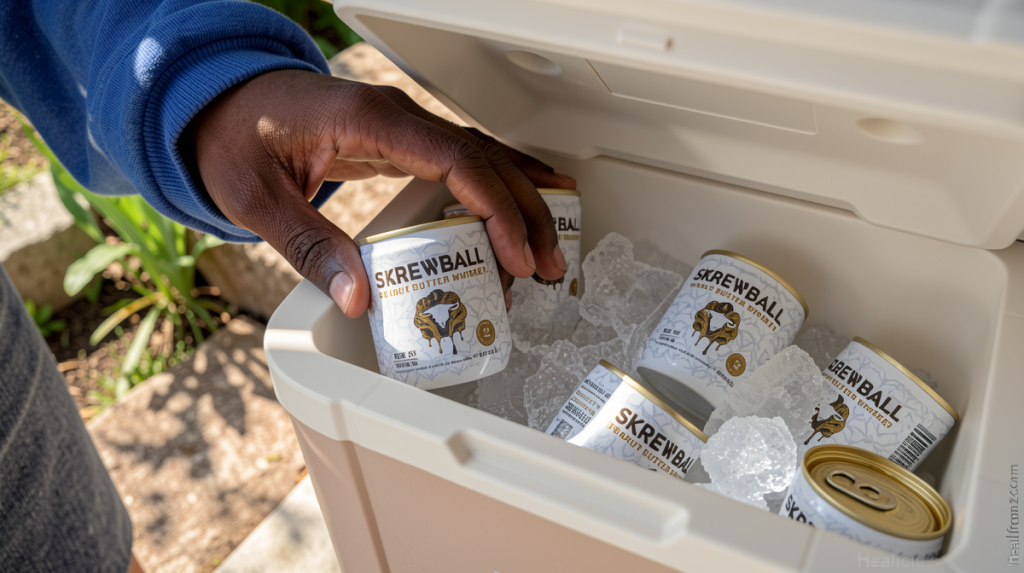
Miniature Spirits: A Strategic Shift for Major Alcohol Brands
Healfromzero.com – For major spirits producers, the path forward involves going significantly smaller in physical dimensions. Industry giants such as Pernod Ricard, which produces Jameson, Bacardi Limited, the proprietor of Patrón, and Kendall Jenner’s 818 Tequila are actively broadening their portfolios of compact containers. Retail consumers seeking to maximize their purchasing power are increasingly opting for these compact packages rather than abandoning their preferred premium labels. Consequently, miniature formats have emerged as one of the most rapidly expanding categories within the alcoholic beverage sector.
According to market intelligence gathered by Bump Williams Consulting and shared with CNN, the most substantial increases in market share occurred during the initial quarter of the year. Specifically, 50-milliliter bottles—equivalent to a standard shot—and 375-milliliter containers for tequila and cordials saw significant growth. This trend highlights a shift away from the traditional 700 to 750-milliliter standard bottle size that has dominated shelves for decades.
Navigating Economic Pressures
Market analysts note that while consumer enthusiasm for luxury spirits remains strong, the mechanics of purchasing are evolving. Dave Williams, the president of Bump Williams Consulting, explained the current dynamic:
“We still see high-end brand interest, but consumers are being more strategic about their spending.”
This strategic approach means shoppers are willing to invest in premium products, yet they prefer smaller quantities that allow for variety without committing to full-sized bottles.
The Psychology of Miniature Purchases
The appeal of little bottles extends beyond mere economics. Consumers appreciate the ability to sample multiple varieties without the commitment of larger containers. This trial-and-error approach has become particularly valuable in an era where consumers seek novelty while maintaining budget consciousness. The compact format also appeals to those who enjoy hosting gatherings, as it allows for offering diverse options to guests without requiring extensive storage space.
Additionally, the miniature trend aligns with broader lifestyle changes. Younger demographics, in particular, have shown a preference for experiences over quantity. They value the opportunity to explore different flavors and brands without the pressure of finishing an entire bottle. This behavioral shift has prompted manufacturers to reconsider their packaging strategies across all product lines.
Looking Ahead: Market Projections
Industry experts predict that the momentum behind little bottles will continue through the remainder of the year and beyond. As production costs stabilize and consumer habits solidify, manufacturers are expected to introduce even more specialized miniature offerings. The success of this segment suggests that the traditional bottle size may not return to its former dominance in the near future.
For now, the message is clear: little bottles are becoming a big business, and major players in the alcohol industry are positioning themselves to capitalize on this growing opportunity. Whether through innovation in packaging or strategic marketing, companies that embrace this trend stand to benefit significantly from changing consumer preferences.