
An outbreak of diarrhea from a parasite is surging. Here’s what to eat and what to avoid
Cyclosporiasis Cases Surge: What to Eat and Avoid
An outbreak of diarrhea from a parasite – Health authorities are tracking a steady increase in gastrointestinal infections triggered by the cyclospora parasite. Within the Midwest region alone, over three thousand individuals have fallen ill across Michigan and Ohio. Across the entire nation, the tally has surpassed seven thousand confirmed or pending reports involving thirty-four different states starting from early May. This An outbreak of diarrhea has prompted renewed attention on food safety practices nationwide.
Officials in Michigan have identified lettuce and salad greens as the primary suspects, though other food sources remain under investigation. No single grower or supplier has been pinpointed as the definitive source. The parasite itself is known for its resilience, clinging to surfaces and making it difficult to eliminate through standard cleaning methods.
Understanding the Illness
Those affected typically experience watery diarrhea, abdominal cramps, nausea, and fatigue. Symptoms can appear anywhere from two days to two weeks after exposure. In severe cases, individuals may also suffer weight loss and prolonged illness lasting several weeks. Approximately one in eleven patients requires hospitalization, though no fatalities have been reported so far.
“Cyclospora is a very interesting organism. It’s a parasite, so it’s historically been linked to outbreaks in the past, usually foodborne outbreaks,” explained Dr. Nuwan Gunawardhana from Columbia University.
The illness is not typically spread from person to person, making contaminated food the primary transmission route. Dr. Gunawardhana noted that the parasite is particularly hardy and adheres well to fresh produce surfaces. Antibiotics can help shorten the duration of symptoms, though many patients recover without medication.
Children, elderly individuals, and those with weakened immune systems face higher risks of complications. Dr. Dan Barouch from Beth Israel Medical Center emphasized that vulnerable populations should exercise extra caution during this period. Some immunosuppressed individuals may want to avoid fresh produce entirely until the situation stabilizes.
Food Safety Recommendations
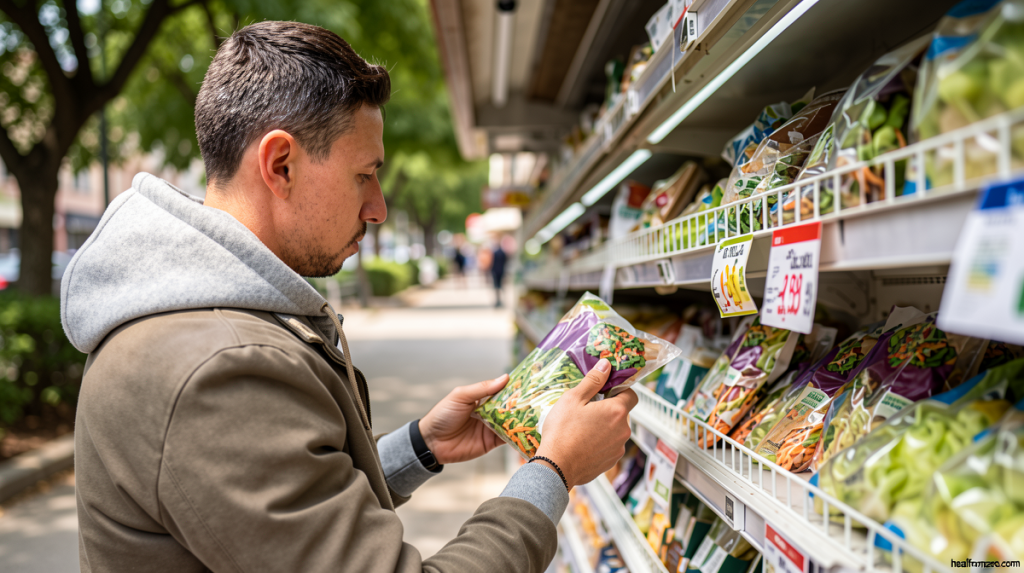
Consumers are advised to avoid precut and packaged items that may have been exposed to contaminated sources. Even prewashed products should be rinsed again before consumption. Don Stoeckel from Cornell University suggested that people should not stop eating produce altogether but should take additional precautions.
“When we’re talking about foodborne outbreaks with cyclospora, it’s a very hardy organism, and so it has the ability to adhere to the surfaces very, very well with our fresh produce and fruit,” Dr. Gunawardhana stated.
Historical data shows that cyclosporiasis has previously been linked to raspberries, basil, cilantro, and snap peas. Major restaurant chains like Taco Bell have begun removing certain ingredients at select locations as a precautionary measure. Washing produce thoroughly and avoiding bruised or damaged items can help reduce exposure risk during this An outbreak of diarrhea.