
AI demand is jacking up prices for iPads, Nintendo Switches and other gadgets. What experts say you should do
Memory Crunch Drives Up Electronics Costs: What Shoppers Need to Know
The AI-Driven Hardware Crisis
AI demand is jacking up prices – If you have been planning to purchase a new laptop or gaming console in the coming months, brace yourself for higher costs. The primary culprit behind these price increases is the artificial intelligence revolution. Data centers worldwide are consuming vast quantities of memory chips, creating intense competition for this essential computer component. While semiconductor manufacturers such as Micron, Samsung, and SK Hynix are enjoying record profits, everyday consumers are feeling the pinch. Chip producers simply cannot manufacture sufficient memory to satisfy both industrial data centers and retail markets simultaneously.
This supply imbalance has triggered a widespread shortage that is pushing up retail prices across multiple product categories. Companies including Apple, Microsoft, and Nintendo are all experiencing the effects. Industry specialists indicate that a quick resolution remains unlikely. The constrained supply is projected to continue through at least 2028 while major memory producers construct additional manufacturing facilities. Even after production capacity expands, certain market analysts predict that consumer prices may never fully revert to their previous levels.
Which Products Are Most Affected?
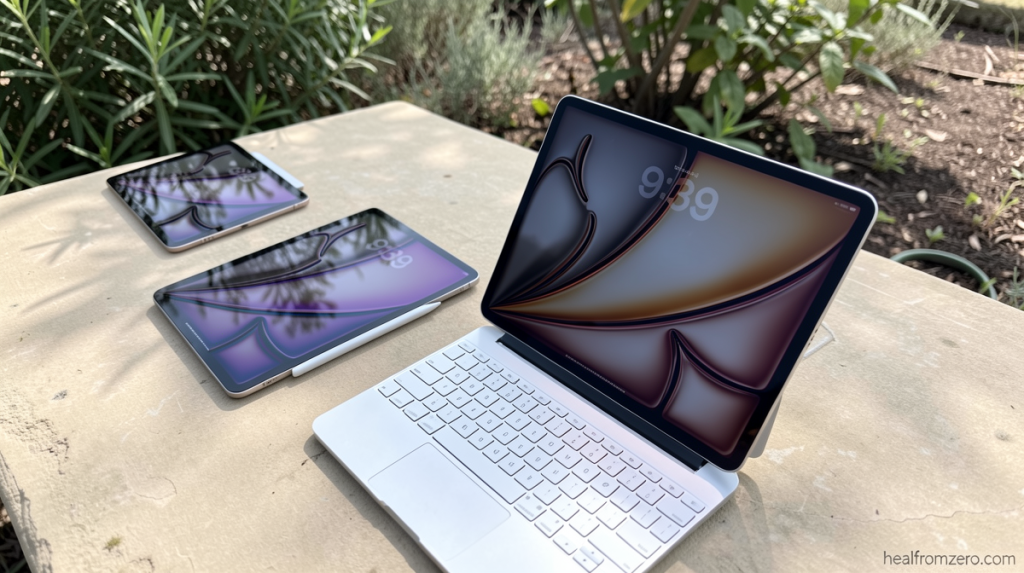
Game consoles, portable tablets, and laptop computers are bearing the brunt of these cost increases. Recent months have seen price escalations for the PlayStation 5, Nintendo Switch 2, Valve’s Steam Deck, and numerous Apple offerings including iPad and MacBook variants. Microsoft has announced intentions to increase Xbox pricing starting in August. These elevated costs are anticipated to significantly impact both smartphone and laptop market performance.
According to the International Data Corporation, worldwide personal computer deliveries are forecasted to decrease by 11.3 percent throughout 2026. The smartphone sector is simultaneously preparing for its sharpest yearly contraction in recent memory. However, not all technology categories face equal pressure. Items such as wireless earbuds and smartwatches utilize considerably less memory, insulating them from the worst effects of this shortage.
Expert Guidance for Consumers
Several market observers recommend making purchases sooner rather than later. Even when memory chip costs eventually decline, those savings typically require a minimum of twelve months to reach retail customers, according to Mike Howard, who oversees memory analysis at TechInsights. Product timing also matters considerably since technology firms frequently introduce new models during autumn months to capture holiday shopping traffic. Purchasing an iPad immediately before Apple unveils an updated version could prove costly.
Microsoft’s Xbox division leader Asha Sharma characterized the situation dramatically in internal communications.
“The most severe hardware crisis in history,” Sharma wrote in an employee email alongside announcements of workforce reductions and organizational restructuring.
For those seeking alternatives to new purchases, certified refurbished options present compelling value. Major retailers including Amazon, Apple, and Samsung operate programs offering pre-owned devices at reduced rates. These products undergo thorough inspection and testing before reaching customers.
“These are mostly new items that are returned,” explained Gadjo Sevilla, a technology analyst at eMarketer. He noted that refurbished gadgets frequently perform comparably to brand-new equivalents.
Shoppers should exercise caution regarding older generation devices to prevent needing another upgrade shortly. Retailers and telecommunications carriers actively promote trade-in programs, ensuring refurbished inventories contain relatively recent models. Additionally, consumers might consider expanding cloud storage capacity or replacing device batteries rather than purchasing entirely new smartphones.
Looking Ahead
The timeline for resolving this memory deficit remains uncertain due to the complexity of establishing new fabrication plants.
“It’s not a simple process, I think everyone kind of sees that now,” Howard observed. “It’s super complicated. This is the most complex manufacturing on the planet.”
Jitesh Ubrani, IDC’s consumer devices research director, provided additional perspective on pricing trends.
“That largest bump has happened now,” Ubrani stated. “They’ll continue to rise at a slower pace going forward, but they’re still rising.”
Apple has maintained current iPhone pricing, though Howard estimates the company may eventually need to increase smartphone costs by approximately $250 to $300 to preserve profit margins.
“We should start thinking about a $1,500 iPhone instead of a $1,000 (or) $1,200 iPhone,” he suggested.
The industry continues advancing production capabilities as rapidly as possible, but consumers should prepare for elevated costs to persist well into the near future as memory infrastructure expands to meet unprecedented AI-driven demand.