
Trump wants new coal plants built in the US. The price tag could be astronomical
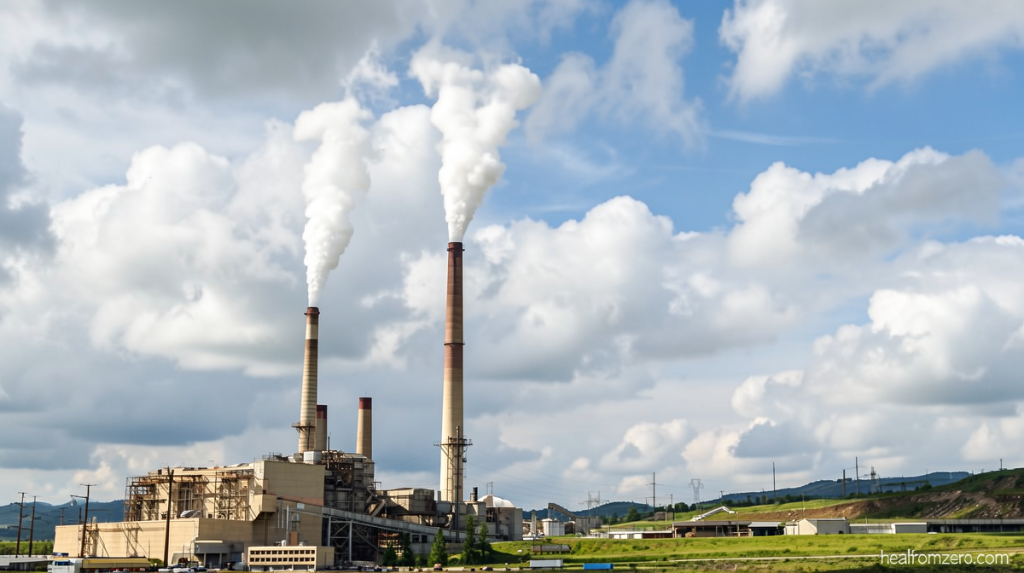
Trump Wants New Coal Plants: Billions in Costs Ahead
Trump wants new coal plants built in the United States, marking a potential shift in American energy policy. After more than ten years without major coal facilities coming online, the administration has announced plans for two new coal-fired power plants. Industry experts, however, question whether these projects will actually happen, pointing to potentially massive expenses even with government support.
A Coal Comeback?
President Donald Trump and his advisors have expressed strong support for coal energy, viewing it as a dependable source of continuous electricity for industrial operations and data centers. While much of their strategy has focused on keeping existing coal plants running longer, a recent announcement has turned attention toward new construction projects.
Last month, officials revealed they would provide more than $100 million in federal funding for two proposed facilities—one in West Virginia and another in Alaska. This money will cover initial feasibility studies for both sites. If these plants proceed, it would signal a notable turnaround for coal in the U.S. energy market.
High Costs and Carbon Capture
The main challenge is whether these projects can overcome their financial barriers. Constructing coal plants with carbon capture technology—designed to trap most emissions before release—could be extremely costly. An independent study commissioned by the Wyoming Energy Authority this year estimated that building the proposed West Virginia facility, which would produce 1.6 gigawatts of power, would cost over $10 billion. The Alaska project, with a capacity of 1.25 gigawatts, would similarly require more than $8 billion.
According to the Wyoming analysis, these amounts exceed twice the expense of building natural gas plants with similar carbon capture systems, and more than four times the cost of new solar installations. Notably, the assessment did not include federal tax credits. Only new nuclear power plants carry higher price tags than these coal proposals.
“The cost of that power is going to be far higher than the other forms of energy that are out there, including gas, solar and wind.”
Seth Feaster, an energy data analyst at the Institute for Energy Economics and Financial Analysis, called these figures “stunningly high.” His skepticism is strong: “My baseline reaction is these plants will never get built,” he said.
Technology Still Developing
The new coal proposals depend heavily on carbon capture technology, which has received support from both political parties. Former President Joe Biden’s 2022 clean energy legislation provided significant tax credits for the technology, and the Environmental Protection Agency under Biden endorsed its use for controlling coal plant emissions. The federal funding for these new plants comes from congressional allocations specifically set aside for carbon emissions reduction.
Still, Phil Wagner, associate director of research and analysis at McCloskey by OPIS, warned that carbon capture remains “not proven.” He suggested that if the technology succeeds, it will likely be deployed on natural gas plants first. “They’re already lower cost; they’re already 40% of the power grid. It’s less carbon to capture,” Wagner explained.
“It’s still super uncertain whether either of these (new coal) plants will be built.”
AI and Energy Demand
Despite the financial challenges, coal has experienced an unexpected resurgence, largely driven by rising electricity demand. Artificial intelligence data centers have dramatically increased power consumption, requiring reliable, continuous electricity. This growth has sparked competition to ensure sufficient grid capacity during extreme weather events, from hot summer afternoons to freezing winter evenings.
Michelle Bloodworth, president and CEO of America’s Power, a coal-fired power plant trade organization, highlighted coal’s unique advantage: “Unlike renewable energy sources, coal plants can generate electricity at all times of day and in all weather conditions.”
An Energy Department spokesperson confirmed that the projects were “competitively selected,” though the department declined to elaborate on its selection criteria or whether the projects had secured external funding or power purchase agreements. Developers for both facilities did not respond to CNN’s requests for comment.
The Energy Department spokesperson further stated that the Trump administration remains “committed to stabilizing, optimizing, and expanding domestic energy production” as part of its broader economic strategy.