
Apple accuses OpenAI of using stolen trade secrets to create its upcoming AI gadgets in new lawsuit
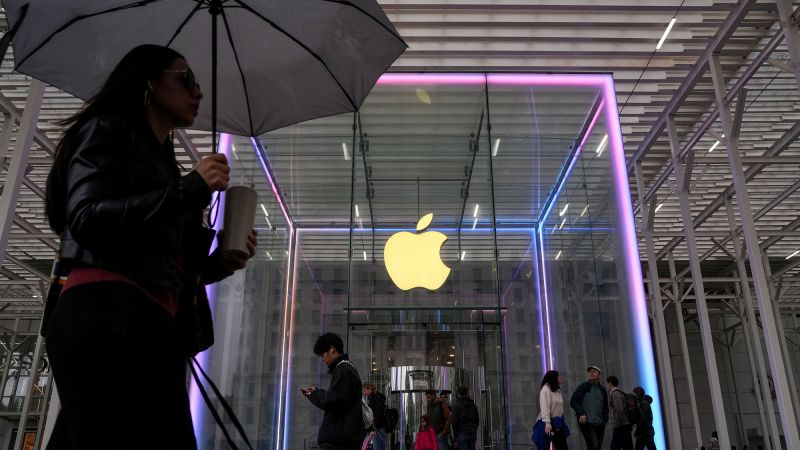
Apple Accuses OpenAI of Using Stolen Trade Secrets in New Legal Battle
Apple accuses OpenAI of using stolen – Apple accuses OpenAI of using proprietary information and confidential designs to develop its next generation of AI-powered hardware devices. The tech giant filed a comprehensive lawsuit on Friday in the U.S. District Court for the Northern District of California, presenting detailed allegations against the artificial intelligence leader. This legal action centers on claims that OpenAI improperly acquired valuable trade secrets through a former Apple engineer and other key personnel. The timing of this lawsuit is particularly significant, as OpenAI prepares for what could be one of the largest initial public offerings in recent history.
Details of the Alleged Misappropriation
The lawsuit outlines multiple violations, including breach of contract and unauthorized use of confidential materials. According to court documents, Apple accuses OpenAI of using specific engineering designs, product specifications, and development methodologies that were originally created for Apple’s internal projects. These materials allegedly helped shape OpenAI’s upcoming AI gadgets, which are expected to compete directly with Apple’s own ecosystem of devices. The complaint identifies several critical pieces of evidence that support these allegations, including internal communications and project documentation.
OpenAI had previously announced a collaboration with Apple’s former design leader on a secret initiative focused on creating innovative devices. This partnership was intended to help transition smartphone users into the emerging era of artificial intelligence computing. However, the relationship appears to have soured, leading to the current legal dispute. The lawsuit specifically names three defendants: OpenAI as a corporation, Chang Liu, a former Apple engineer who joined OpenAI, and Tang Tan, the company’s hardware chief who previously managed product design for both the iPhone and Apple Watch lines.
“We have no interest in other companies’ trade secrets,” said Drew Pusateri, a spokesperson for OpenAI, in response to the allegations. “We believe this lawsuit is based on misunderstandings and will be resolved fairly.”
The potential impact on OpenAI’s business operations could be substantial. If Apple prevails in this case, the company could seek injunctions that prevent OpenAI from releasing certain products or using specific technologies. This scenario would create significant challenges for OpenAI’s product roadmap and could delay the launch of its highly anticipated AI hardware. Industry analysts suggest that the outcome of this case may set important precedents for how intellectual property disputes are handled in the rapidly evolving AI sector.
Legal experts note that trade secret cases can be complex and lengthy, often taking several years to reach resolution. The financial implications could also be considerable, with potential damages running into hundreds of millions of dollars depending on the court’s findings. Meanwhile, Apple has indicated that it is confident in its position and expects to pursue all available remedies through the legal system.
As both companies navigate this challenging period, the technology industry is watching closely. The case highlights the growing importance of intellectual property protection in an era where AI capabilities are becoming increasingly valuable competitive assets. Stakeholders across the sector will be monitoring developments as this lawsuit progresses through the courts.