
US files charges against Indian crime boss in assassination that strained Canada-India ties
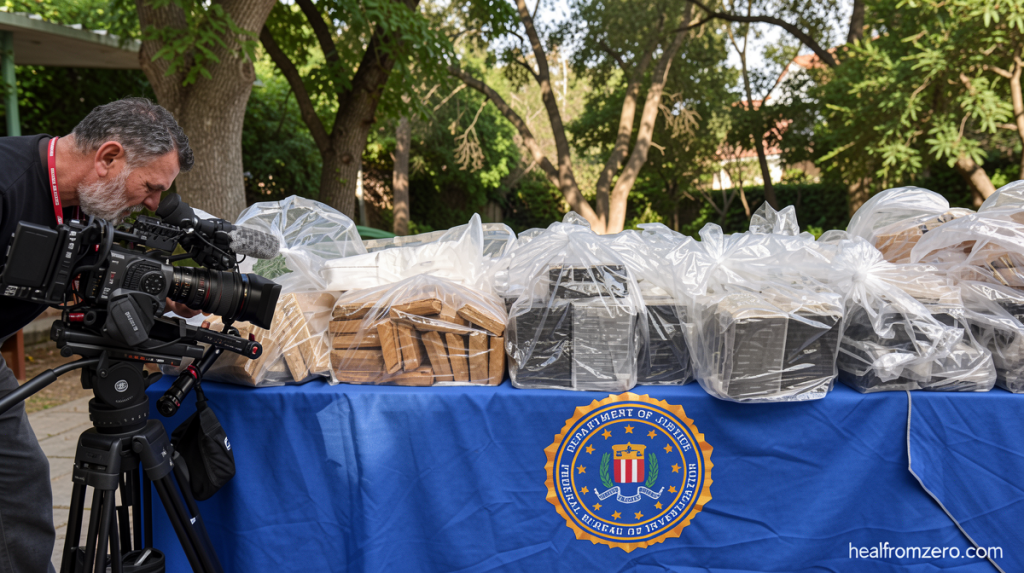
US Indicts Indian Crime Leaders in Nijjar Assassination Case
US files charges against Indian crime – A federal indictment recently unsealed in Los Angeles has formally charged Lawrence Bishnoi, the incarcerated leader of a prominent Indian criminal syndicate, alongside his North American lieutenant Satinderjeet Singh—widely recognized by his alias “Goldy Brar”—for orchestrating the 2023 killing of Sikh separatist figure Hardeep Singh Nijjar. This high-profile case has significantly complicated diplomatic relations between Canada and India, two nations that have experienced considerable tension following the assassination.
The Murder and Its Aftermath
According to the federal indictment, Bishnoi and Singh issued orders for Nijjar’s execution outside a Sikh place of worship in Surrey, a suburb of Vancouver located in British Columbia. The shooting occurred on June 18, 2023, and the document details how Bishnoi coordinated the operation remotely from within an Indian prison cell, utilizing smuggled mobile phones to communicate with his operatives. The indictment further specifies that Bishnoi supplied a co-conspirator with both a photograph and several addresses belonging to Nijjar to ensure the successful completion of the assassination.
Singh, who shares a long-standing friendship with Bishnoi dating back to their childhood, is alleged to have overseen the North American activities of the criminal organization known as the “Lawrence Bishnoi Organized Crime Group.” The US charges against both men do not include any allegation of Indian government involvement in the murder, distinguishing this case from earlier Canadian investigations.
Diplomatic Fallout and Investigation
Nijjar’s death sparked an immediate diplomatic crisis between Ottawa and New Delhi. Several months after the assassination, then-Canadian Prime Minister Justin Trudeau announced that Canadian authorities were “actively pursuing credible allegations” suggesting that Indian government agents had connections to the murder. New Delhi swiftly dismissed these claims as entirely absurd, maintaining that no official Indian involvement existed.
The broader investigation conducted by US and Canadian authorities resulted in charges against 37 defendants connected to three India-based organized crime syndicates. These charges encompassed racketeering, extortion, and drug trafficking offenses. Authorities reported that 24 of the accused had either been arrested or were already held in custody at the time of the indictment. Additionally, Canadian police in May 2024 arrested and charged four Indian nationals in connection with Nijjar’s killing, with officials indicating they were examining whether these individuals maintained ties to the Indian government.
Current Developments and Reactions
The US indictment does not identify the actual shooters as named defendants, instead referring to them collectively as co-conspirators. Nijjar, who held Canadian citizenship, had been a vocal advocate for Khalistan—an independent Sikh homeland carved from Indian territory—and had previously been designated as a terrorist by New Delhi before being imprisoned by India.
Relations between Ottawa and New Delhi have shown signs of improvement under Canadian Prime Minister Mark Carney, who traveled to India in February for his first official visit. During this trip, Carney initiated discussions regarding a comprehensive trade agreement anticipated to be finalized by November. However, this diplomatic thaw has not been universally welcomed. Certain Sikh organizations have criticized the Canadian government’s approach, arguing that Ottawa has failed to adequately hold India accountable or protect Sikh Canadians from foreign interference and transnational repression.
Canadian authorities were “actively pursuing credible allegations” linking Indian government agents to the murder.
Neither First Assistant US Attorney Bill Essayli nor any other officials at the Los Angeles press conference suggested that the Indian government participated in or possessed knowledge of the killing. The charges against Bishnoi and Singh represent a significant development in the ongoing effort to bring justice for Nijjar’s assassination while clarifying the roles of various parties involved.