
DC experiences ‘Code Red’ air quality after massive fireworks display
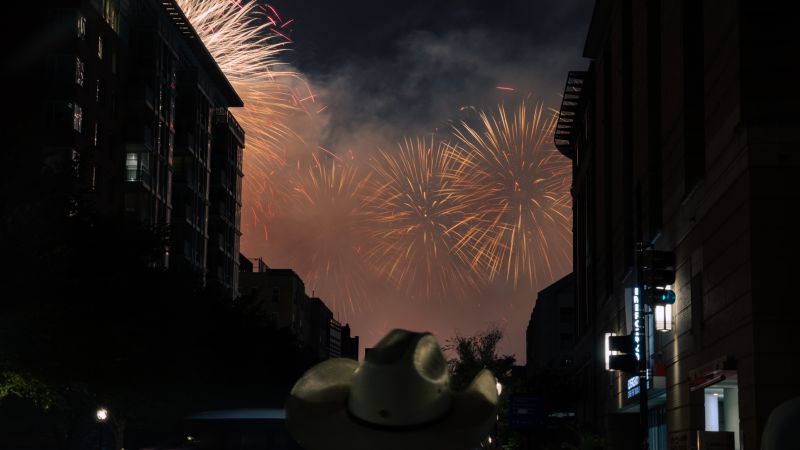
DC Experiences ‘Code Red’ Air Quality After Record-Breaking Fireworks Display
DC experiences Code Red air quality – Washington, D.C., faced a severe air quality crisis on Sunday as the capital grappled with the aftermath of an unprecedented fireworks spectacle. According to IQAir, a global air quality monitoring service, the city briefly ranked as the worst in terms of pollution among major urban centers worldwide. The alarming conditions were triggered by a massive 40-minute Fourth of July display organized by Freedom 250, a Trump-affiliated nonprofit focused on staging semiquincentennial events. City officials issued a Code Red alert, urging residents to minimize outdoor activity due to the risk of health complications. The alert specifically highlighted that vulnerable groups, such as children, seniors, and individuals with preexisting medical conditions, could experience adverse effects from the deteriorating air quality.
Heat Wave and Environmental Impact
The air quality crisis coincided with an extreme heat wave sweeping across the Northeast, which had already pushed temperatures to triple digits on Saturday. This heatwave created ideal conditions for thunderstorms, prompting the evacuation of the National Mall before the fireworks began. Dr. Kisha Davis, the chief health officer of Montgomery County, Maryland, emphasized the severity of the situation prior to the event. “The air quality today is like running a marathon while smoking a cigarette,” she said, warning that the 850,000-firework display would exacerbate the problem. However, she noted that the anticipated rain on Sunday evening could help mitigate the issue. “It does push all of those, you know, chemicals and pollutants into the water system, but they are at least out of the air,” Davis explained during a Sunday interview with CNN.
Despite the health concerns, the fireworks show was expected to set a new Guinness World Records benchmark. The event featured hundreds of thousands of shells launched from multiple locations, including the Lincoln Memorial Reflecting Pool, Potomac River barges, and West Potomac Park. The goal was to surpass the previous record of 810,904 fireworks set during a 2016 New Year’s Eve celebration in the Philippines. While the display was projected to be ten times larger than Macy’s iconic Fourth of July show in New York, it remained unclear by Sunday whether the record had officially been confirmed. CNN had reached out to Guinness World Records for clarification, but no official statement had been released as of the report’s publication.
Health and Safety Measures
Internal documents from the National Park Service, shared with The Washington Post, warned of “very unhealthy” air conditions in central Washington, D.C., during the fireworks. The records recommended that people limit their exposure to the pollutants and advised those watching the display outdoors to wear N95 masks for protection. The park service declined to comment when contacted by CNN, leaving the public to rely on these internal assessments for guidance. The National Special Security Event Joint Information Center, a multiagency hub overseeing events for the nation’s 250th anniversary, reported 96 patient contacts and 40 patient transports from the National Mall between midnight Friday and 9 a.m. Sunday. However, it was unclear how many of these incidents were linked to the heat or the fireworks-induced pollution.
George Washington University also documented 289 patient contacts on the National Mall as of 10 p.m. Saturday, adding to the growing list of health-related concerns. The Department of Health and Human Services reported 314 patient interactions, underscoring the widespread impact of the event on public health. These figures highlight the challenges posed by the combination of extreme heat and the massive volume of emissions from the fireworks. While the primary cause of the health issues remains under investigation, the Code Red alert and expert warnings point to the potential dangers of such large-scale celebrations in urban areas.
Public Reaction and Political Commentary
The record-breaking display, which preceded a 40-minute late-night address by President Donald Trump, drew mixed reactions. While some residents praised the visual spectacle, others expressed frustration over the health risks and environmental toll. Trump, who had earlier addressed the crowd at the National Mall, took to social media to commend the event. “The Most Spectacular Fireworks Show I have ever seen, and I’ve seen them all. Congratulations on a job well done!” he tweeted, seemingly emphasizing the success of the event despite the pollution concerns.
Environmental experts have raised questions about the long-term effects of such large fireworks displays. The combination of heat, smoke, and pollutants created a unique challenge for the city, which has already faced issues with air quality during other events. The National Mall, a central hub for public gatherings, became a focal point of both celebration and concern. With thousands of people in attendance, the fireworks not only dazzled but also left a lasting impact on the local atmosphere. The display’s scale, however, was not without its critics, who pointed to the need for better air quality management during major public events.
As the city continues to recover from the event, officials are evaluating the health and environmental consequences. While the rain on Sunday provided temporary relief, the long-term effects of the pollutants remain a topic of discussion. The IQAir ranking, which placed Washington, D.C., at No. 26 by 5:30 p.m. ET, serves as a stark reminder of the challenges cities face when balancing celebration with environmental responsibility. For now, the focus remains on ensuring that future events can minimize their impact while still providing the public with memorable experiences.
The National Special Security Event Joint Information Center also noted that the fireworks display was a significant milestone for the district. The event’s scale, with shells launched from 10 distinct sites, demonstrated the city’s ability to host large-scale public events. Yet, it also underscored the need for more robust measures to address air quality during such occasions. As the capital moves forward, the interplay between celebration and environmental health will likely remain a key consideration for planners and officials alike.
In the wake of the event, the public is left to weigh the benefits of the fireworks against the health risks. While the display was a dazzling success, the pollution it generated serves as a reminder of the trade-offs involved in large urban celebrations. The Code Red alert, the evacuation of the National Mall, and the surge in health-related patient contacts all point to the significant challenges posed by the fireworks. For residents of Washington, D.C., the experience of the Fourth of July will be remembered not just for its visual grandeur but also for the environmental impact it left behind.