
What really happened to Lizzo’s career?
What really happened to Lizzo’s career?
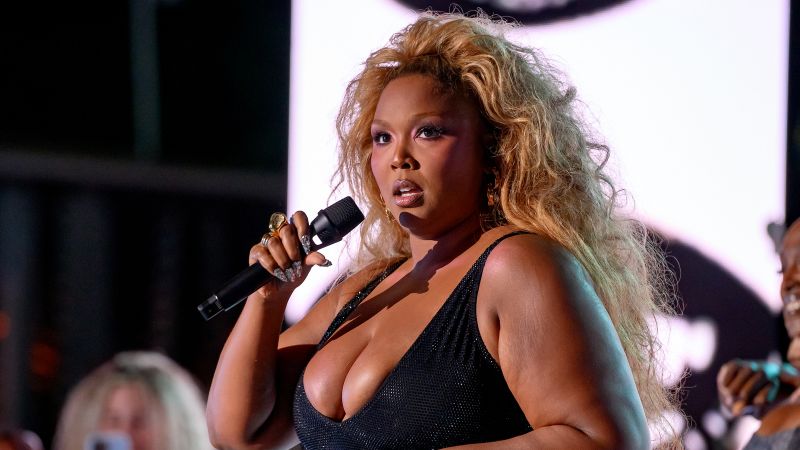
What really happened to Lizzo s career – Since the release of her fifth studio album in early June, pop sensation Lizzo has seen a dramatic shift in her public trajectory. Once celebrated for her bold embrace of self-love and body positivity, the four-time Grammy winner now faces questions about her recent creative output. Her latest project, Bitch, has struggled to make an impact, with streaming figures falling short of expectations and sales remaining modest. Within the first 24 hours of its debut on Spotify, the album reportedly garnered less than a million streams, and by the end of its first week, it had sold fewer than 3,000 copies. These numbers contrast sharply with her earlier achievements, including the global phenomenon of “Truth Hurts” and the empowering anthem “About Damn Time.”
The Struggle for Recognition
Despite her earlier dominance, the album’s underwhelming performance has left Lizzo’s fanbase and critics alike wondering about her current standing in the industry. “It doesn’t really matter what goes on on the internet, nothing really breaks my joy,” she once remarked during her rise to fame, a sentiment that now feels more complex in light of recent developments. The tracklist and promotional strategies for Bitch have drawn mixed reactions, with some questioning whether the album’s themes or marketing efforts failed to resonate with audiences.
The issue has sparked a broader conversation about how modern platforms like Spotify and TikTok influence music visibility. In a TikTok post shared on May 12, Lizzo directly addressed this, stating, “The algorithm-based way that social media functions now is destroying the music industry.” She argued that the platforms’ prioritization of content can create gaps in public awareness, leaving artists like herself struggling to maintain relevance without constant digital promotion.
Legal Challenges and Public Perception
Amid the discourse about her album, Lizzo has also faced legal scrutiny that has further complicated her career narrative. In 2023, three dancers—Noelle Rodriguez, Arianna Davis, and Crystal Williams—filed a lawsuit against her and her production company, Big Grrrl Big Touring, Inc. (BGBT), as well as a figure described as the “dance cast captain.” The claims centered on sexual harassment, body shaming, and a hostile work environment, allegations that have shaped public perception of the artist in recent months.
“It was never our intention to take down a woman of color,” Rodriguez explained in a recent interview, emphasizing that the lawsuit aimed to address systemic issues rather than target Lizzo personally. “It was never an intention to take down a plus size woman of color specifically.” The trio insisted their goal was to hold Lizzo accountable for the values she publicly champions, while also expressing mixed emotions about the fallout. “We’re watching this moment with a blend of disappointment and determination,” they said. “On one hand, we feel traumatized by what we allege happened to us. On the other, we’re committed to seeing this case through.”
Lizzo’s legal team has countered these claims, asserting that the allegations lack substance. Melissa Glass, the artist’s attorney, stated in a press release that “the claims made in the suit have no basis in reality.” She noted that “not a single witness has come forward to support their allegations,” and that “their claims were refuted by 18 witnesses, including most of the other dancers on ‘The Special Tour.’” Glass expressed confidence in Lizzo’s ability to prevail, framing the lawsuit as a personal attack rather than a reflection of her artistry.
A Personal and Professional Crossroads
Chawnta’ Van, a former dancer who worked with Lizzo since 2019, shared her perspective on the fallout. “I felt blindsided and heartbroken when the allegations came out,” she told CNN. “I thought everyone on the tour was in this together, but apparently not.” Van highlighted the precarious nature of her role as a gig worker, noting that the lawsuit led to the cancellation of future performances. “As a dancer, we’re the lowest paid. We work gig by gig, literally,” she explained. “So when all this stuff came out and everything got canceled, it was really hard.”
The lawsuit’s timing has been scrutinized, with some arguing that it coincided with the release of Lizzo’s new album. This has fueled speculation about whether the legal challenges impacted her ability to generate buzz. While Lizzo’s supporters defend her, they acknowledge the emotional toll of the situation. “I don’t really think it’s our place to discuss how her career is going at this point,” Rodriguez later said. “That wasn’t even our reason for filing in the first place.” She added that the case has “actually brought some sadness” to her, as it has overshadowed the intent to advocate for change.
Lizzo’s journey since 2019 has been marked by both triumph and controversy. Her rise to fame was hailed as a cultural milestone, with her unapologetic persona and anthemic music inspiring millions of fans. Yet, as her visibility grew, so did the scrutiny she faced. Critics often tied her image to broader social issues, sometimes reducing her to a symbol rather than a multifaceted artist. One notable moment was her backside-bearing outfit at a Laker game in 2019, which sparked debate about how her body was used to represent larger conversations. Lizzo responded with defiance, stating, “It doesn’t really matter what goes on on the internet. Nothing really breaks my joy.”
Now, with Bitch struggling to gain traction, the question of her career’s trajectory lingers. Has the combination of legal challenges and shifting digital landscapes derailed her momentum? Or is this a natural ebb in the cycle of an artist’s success? As the case unfolds and the album’s reception continues to be analyzed, the narrative around Lizzo evolves, reflecting the complexities of fame, accountability, and the ever-changing music industry.
Looking Ahead: Resilience and Reckoning
While the album’s performance has raised eyebrows, Lizzo’s supporters remain steadfast. Many argue that the challenges she faces are part of the price of being a trailblazer in a male-dominated industry. “She’s not just a pop star—she’s a cultural icon,” said one fan in a recent interview. “Her struggles are a reflection of the broader challenges faced by women of color in entertainment.”
As the lawsuit and album release intersect, the public is left to weigh the balance between Lizzo’s personal expression and the consequences of her actions. The dancer’s testimony, her own reflections, and the industry’s response all contribute to a nuanced conversation about her legacy. Whether she is viewed as a victim of algorithmic neglect or a figure whose public image has been unfairly tarnished, the story of her career continues to unfold, shaped by both her artistry and the forces that surround it.