
American Airlines flight aborts takeoff in Miami after business jet enters the same runway
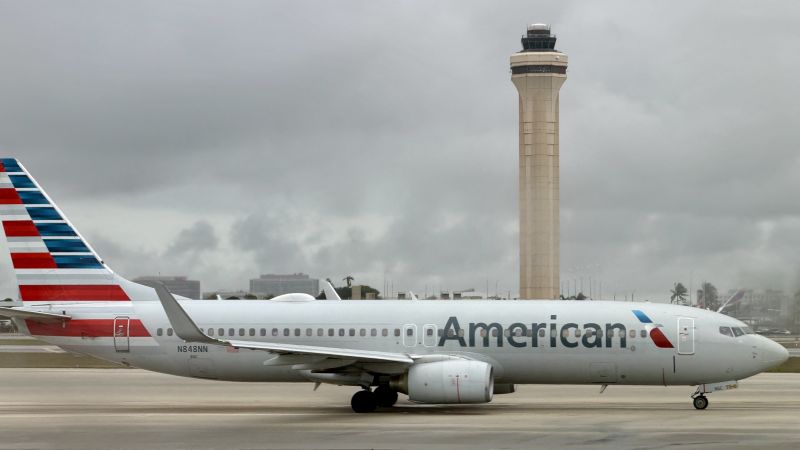
American Airlines Flight 308 Halts Takeoff in Miami After Business Jet Enters Runway
American Airlines flight aborts takeoff in Miami – On Saturday evening, American Airlines Flight 308, scheduled to fly to Bermuda, was forced to cancel its takeoff at Miami International Airport due to a critical runway conflict. The incident occurred around 6 p.m. ET when a business jet inadvertently entered the same runway, bringing the two aircraft as close as a third of a mile apart. This near-miss prompted the flight crew to take immediate action, halting the takeoff process to ensure safety.
Communication Breakdown During the Incident
The sequence of events unfolded with a tense exchange between the business jet pilot and an air traffic controller, as captured in a LiveATC.com audio recording. The controller first alerted the pilot, stating,
“You just crossed an active runway,”
which signaled a potential danger. The pilot responded,
“You just told me to cross the runway, sir,”
indicating confusion about the clearance given. The controller quickly clarified,
“No, we said Amerijet 461,”
highlighting a possible miscommunication that led to the emergency stop.
Third-Party Vendor Oversight
According to NetJets, the private aviation company responsible for the business jet, the aircraft was being operationally managed by a third-party maintenance vendor during the incident. This arrangement is typical in the industry, but the error raises questions about the coordination between vendors and air traffic control. The incident has since been reviewed to determine if any procedural lapses contributed to the near collision.
Runway Safety Protocols and Air Traffic Management
Miami International Airport, one of the busiest in the United States, operates with multiple runways to handle high traffic volumes. However, the incident underscores the importance of precise communication and adherence to safety protocols. Air traffic control systems are designed to prevent such conflicts, yet this event reveals the potential for human error or misinterpretation of instructions. The FAA has been monitoring similar incidents as the Fourth of July holiday approaches, a period when air traffic typically increases.
Recent Aviation Incidents Leading Up to the Holiday
This incident is part of a series of aviation near-misses in recent weeks, with the Fourth of July holiday marking a busy time for air travel. On Friday, a United Airlines passenger jet narrowly avoided a collision with a drone while landing in New Jersey, according to the pilot’s report. These occurrences have sparked discussions about the need for improved safety measures, particularly as summer travel peaks and more aircraft share the skies.
Impact on Flight Operations and Passenger Experience
Although the aborted takeoff was resolved swiftly, the event had a ripple effect on the airline’s operations. American Airlines Flight 308 was delayed as the situation was assessed, and passengers were informed of the change in schedule. The airline’s spokesperson emphasized the importance of crew vigilance, stating,
“We appreciate the quick actions of our crew members and thank our customers for their understanding,”
as part of their response to the incident. The statement also highlighted the airline’s commitment to safety and its efforts to minimize disruptions.
Investigation and Regulatory Response
CNN has sought comments from the Federal Aviation Administration (FAA) to gain further insight into the cause of the runway conflict. The FAA, which oversees air traffic control and runway safety, is likely to investigate the incident to determine if any regulatory guidelines were violated. Such reports are crucial for identifying patterns and implementing corrective actions, especially as the aviation industry prepares for the busiest travel season of the year.
Broader Implications for Airline Safety
The event has sparked a renewed focus on runway safety protocols and the role of third-party vendors in managing aircraft operations. While such incidents are rare, they serve as reminders of the complexities involved in air traffic management. The FAA and airlines are working together to enhance training programs and improve communication systems to reduce the risk of similar occurrences. This includes upgrading technology and ensuring that all personnel are well-versed in emergency procedures.
Historical Context of Runway Conflicts
Runway incursions, where aircraft or vehicles enter an active runway without clearance, have been a concern in aviation for decades. Despite advancements in technology and training, human error and miscommunication remain significant factors. The Miami incident, however, is a specific example of how these issues can arise even in high-traffic environments. Airline safety officers and FAA regulators are now examining this case to determine if new safeguards are needed.
Passenger Reactions and Industry Response
Passengers on American Airlines Flight 308 were initially concerned about the delay, but the crew’s quick response helped to reassure them. The airline has since issued additional updates, emphasizing that the flight is now en route to Bermuda. Industry experts are analyzing the incident to assess whether it reflects broader challenges in air traffic management or is an isolated event. As the Fourth of July approaches, the focus on safety remains critical to prevent any further disruptions to travelers.
Looking Ahead to the Busy Travel Season
With the summer travel season in full swing, the aviation industry faces heightened pressure to maintain safety standards. The Miami incident serves as a timely reminder of the importance of coordination between air traffic control and all aircraft operators. Airlines and regulatory bodies are collaborating to review procedures and implement measures that will reduce the likelihood of such