
Wildfires cast a shadow over Utah’s Fourth of July as fireworks are restricted and communities mourn treasured places
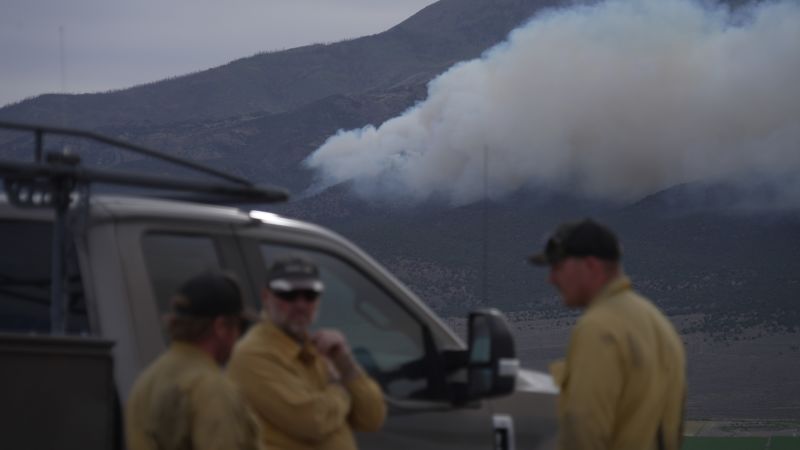
Wildfires cast a shadow over Utah’s Fourth of July as fireworks are restricted and communities mourn treasured places
Wildfires cast a shadow over Utah – Utah is facing one of its most perilous wildfire seasons in recent years, prompting state authorities to implement strict limitations on Fourth of July fireworks. The decision comes as the nation celebrates its 250th Independence Day, with officials emphasizing the urgent need to prevent new fires from igniting under hazardous conditions. Governor Spencer Cox highlighted the challenges in a Friday statement, acknowledging that the move was exceptionally tough but necessary. “Nothing about this decision was easy,” Cox said. “Utahns love celebrating the Fourth of July with family, friends, and fireworks. I do too. But this year is different. We are seeing fire behavior that even our most experienced firefighters say they’ve never witnessed before.”
The state’s firefighting resources are stretched to the limit due to a historic drought, hundreds of active wildfires, and extreme fire conditions. According to the governor’s office, more than three-quarters of this year’s wildfires have been sparked by human activity, underscoring the risk posed by everyday sparks. With vegetation at record dryness and volatile weather patterns, a single misstep could lead to a rapidly spreading blaze. This danger escalated Friday when forecasters classified the fire weather risk as “extremely critical” — the highest level of 3 — across much of Utah, as well as parts of northern Arizona and eastern Nevada.
In response, the National Weather Service in Salt Lake City issued its first-ever “particularly dangerous situation” red flag warning, covering central and southern Utah. This rare designation signals the most severe fire weather conditions, where winds are strong, temperatures are high, and humidity is low, creating a perfect storm for rapid fire spread. The Cottonwood Fire, Utah’s largest active blaze, is at the center of these concerns. Burning through the Fishlake National Forest east of Beaver, the fire has grown to over 92,000 acres in just a few days and remains fully uncontained as of Saturday night. Evacuations are ongoing, with officials calling it potentially the most destructive and costly wildfire in the state’s history.
Firefighters are working tirelessly to combat the Cottonwood Fire, with 1,066 personnel deployed to the scene. Crews have been cautioned to maintain constant vigilance, as the fire’s behavior is both unpredictable and extreme. Alyssa Mason, a spokesperson for the emergency management team, told CNN affiliate KSL that safety is the top priority. “We always have safety first out there, and as soon as we see things or start getting feelings, we’ve told the guys they don’t like it, disengage, and get to a safe place,” she said. The fire’s cause is still under investigation, but its speed and intensity have left little time for residents to react.
Residents in Beaver Mountain are among those deeply affected, mourning the loss of cherished cabins and family retreats that have held generations of memories. For Evan Stapley, the mountain was more than a weekend destination — it was part of his family’s legacy. “To me, nothing’s more beautiful than Beaver Mountain in the fall,” Stapley told KSL. “The aspen yellow, and you get the reds in there and all the greens. There is nothing more beautiful in the world.” Now, the cabin where those memories were made lies in ruins, reduced to ash. Stapley learned of the destruction through a video shared by a friend, capturing the spot where his family’s home once stood. “I saw that and went, ‘That’s just unbelievable,’” he said. “The fire must have moved so fast and twirled around in there and just took it … I cried,” he added. “I’ve got too many memories, too many memories of that place.”
The fire has also dealt a devastating blow to Eagle Point Ski Resort, where several buildings were damaged or destroyed. Owner Shane Gadbaw shared the news on Facebook, announcing the resort’s closure as a result of the blaze. While the exact cause of the Cottonwood Fire is still being determined, the combination of prolonged drought, high winds, and arid conditions has created a dire situation. State officials have warned that individuals whose actions ignite wildfires could face severe criminal penalties and significant civil liability for the damage caused.
As the situation evolves, the full extent of the Cottonwood Fire’s impact remains unclear. However, the restrictions on fireworks this week have already disrupted traditional celebrations, leaving many Utahns to question how they will honor their nation’s independence without the vibrant displays they once cherished. In some cities, local leaders and fire officials are collaborating to designate safe zones where fireworks can still be used, provided they follow stringent guidelines. This approach aims to balance the cultural significance of the holiday with the need to protect communities from further disaster.
Firefighters continue their efforts, battling not only the flames but also the unpredictable nature of the blazes. The Cottonwood Fire has tested their endurance, with crews facing challenges that even seasoned professionals admit are unprecedented. The state’s emergency response has been activated to the maximum, with resources allocated to contain the fire and support affected families. Yet, the scale of the destruction has raised concerns about whether Utah’s firefighting teams can manage the crisis before it worsens.
Across the state, the threat of wildfires has shifted focus from celebration to survival. As the sun sets on the Fourth of July, the skies over Utah remain filled with smoke, and the ground echoes with the sounds of sirens. For many, the holiday has become a reminder of the fragility of their environment and the growing challenges of climate change. The governor’s decision to restrict fireworks is a symbol of the sacrifices being made to safeguard homes and lives, even if it means forgoing a cherished tradition.
Looking ahead, officials are working to assess the damage and plan for recovery. However, the road to restoration may be long, especially for communities like Beaver Mountain, where the loss of personal and historical landmarks is deeply felt. The Cottonwood Fire serves as a stark example of the devastation that can unfold in a matter of days, highlighting the need for continued vigilance and proactive measures. As Utahns navigate this difficult season, the hope remains that their efforts will prevent further tragedies and preserve the landscapes that have long defined their way of life.
With the state’s natural beauty now threatened by flames, the Fourth of July has taken on a new meaning. What was once a time of joy and community has transformed into an era of caution and reflection. The restrictions on fireworks may be temporary, but the scars left by the wildfires are a lasting reminder of the challenges ahead. As residents gather to mark the occasion, they do so with a sense of both pride and worry, knowing that their beloved land is fighting for survival.