Trump threatens serious criminal penalties for those he says ‘vandalized’ the Reflecting Pool

Trump Threatens Serious Criminal Penalties for Those He Says ‘Vandalized’ the Reflecting Pool
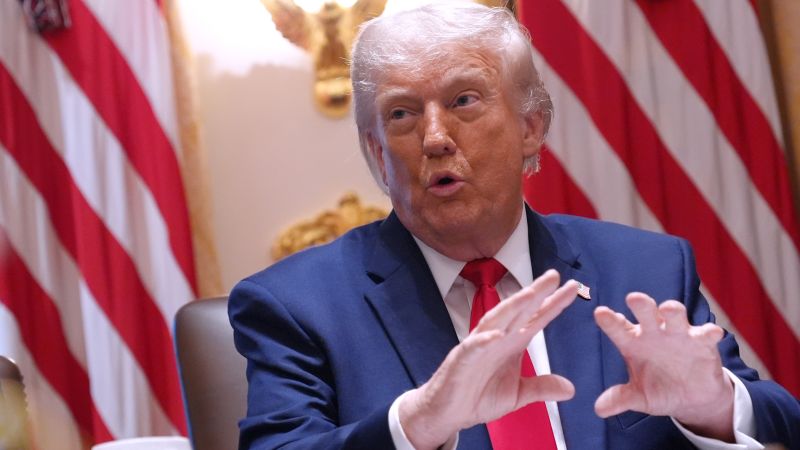
Trump threatens serious criminal penalties for those – On Monday, President Donald Trump escalated his criticism of the vandalism incident at the Reflecting Pool on the National Mall, accusing individuals of damaging the recently restored public space and vowing to pursue severe criminal consequences. The pool, which had undergone a $14 million renovation, has since shown signs of deterioration, prompting Trump to call for stricter enforcement of penalties against those responsible. In a post on his social media platform, Truth Social, the president emphasized the gravity of the situation, stating that the act of vandalizing such a site could lead to “lengthy prison sentences.”
The Reflecting Pool’s Deteriorating Condition
The Reflecting Pool, a historic feature of Washington, D.C., has become a symbol of both presidential ambition and public frustration. After its renovation, the pool’s pristine blue surface began peeling, raising concerns about the quality of the project. Trump seized upon the issue, framing it as a deliberate attack on his efforts to enhance the nation’s capital. “Please remember that there is a 10-year prison sentence for the destruction, or even the attempted destruction, of such things,” he wrote, insisting that the Justice Department would “fully enforce” these charges.
Legal Process and Potential Charges
While local prosecutors have not yet formally charged anyone, the U.S. Justice Department is weighing whether to escalate the cases. The initial citations issued by the National Park Service and Park Police were classified as misdemeanors, with violations such as vandalizing public property or disorderly conduct. However, Trump’s public stance suggests that these cases could be upgraded to federal felony charges if deemed serious enough. The U.S. Attorney’s office for the District of Columbia is still reviewing the matter, with Jeanine Pirro, the current U.S. attorney, indicating that the cases would be “prosecuted to the full extent.”
“Those who vandalized or tried to vandalize the pool will face the criminal justice system in DC,” Pirro said on Fox News. “If there are more serious problems, we’ll consider more serious charges.”
Lawyers for a nonprofit organization challenging the administration’s renovation methods have also weighed in, arguing that the algae blooms and peeling bottom of the pool highlight procedural shortcuts taken during the project. In a court filing, they noted, “The public is now witnessing what happens when agencies barrel ahead with ill-conceived plans to meet an arbitrary deadline imposed by the White House.” The legal team is urging the district court to hold the administration accountable for these lapses.
Individual Cases and Public Reaction
Among those cited was David Hearn, a former Olympic canoeist, who told CNN that he was arrested after touching a flap of blue material that had partially detached from the pool’s bottom. Hearn claimed a National Park Service worker warned him not to reach into the water before he was handcuffed by Park Police. He denied intentionally vandalizing the pool, insisting he was simply curious about the material. His court appearance is scheduled for July 9, and his case will serve as a focal point for the broader debate over the incident.
According to a Department of Interior spokesperson, five people were arrested for vandalism, while an additional five received federal citations. A total of 14 police reports have been filed, underscoring the scale of the alleged offenses. Despite the ongoing investigations, the Park Police remained unresponsive to further inquiries about the identities of those accused. This silence has fueled speculation about the political motivations behind the charges.
Political Symbolism and Public Perception
The incident has taken on political significance, with supporters of Trump viewing the vandalism as an act of sabotage against his beautification initiatives. Critics, however, argue that the president is using the situation to deflect from other pressing issues, such as the ongoing conflict with Iran and rising costs for groceries and gas. The divide reflects a broader tension over how public spaces are managed and who is held responsible for their upkeep.
Trump’s aggressive response has drawn comparisons to past instances where he has framed opposition as a threat to his policies. The Reflecting Pool, a popular site for visitors and a backdrop for political events, has become a stage for his rhetoric. By linking the vandalism to potential felony charges, he aims to reinforce his image as a strong leader who will not tolerate disruptions to his vision for the capital.
Context of the Renovation and Its Impact
The $14 million renovation, which included a new layer of blue material to enhance the pool’s appearance, was part of a series of projects Trump has championed. These initiatives, from the restoration of the Lincoln Memorial to the expansion of the Treasury Building, have often been praised for their aesthetic appeal but criticized for their cost and rushed timelines. The algae problem, which began shortly after the pool reopened, has been cited as evidence of the administration’s focus on speed over sustainability.
While the initial damage appears minor, the potential for federal felony charges could set a precedent for how such incidents are handled in the future. A federal destruction of government property offense can carry a maximum fine of $250,000 or a 10-year prison sentence, though actual sentences are rarely as severe. The case has also sparked discussions about the balance between public access to historical sites and the need to protect them from damage.
As the legal proceedings unfold, the incident at the Reflecting Pool is likely to remain a point of contention. Whether it is seen as a legitimate act of vandalism or a political maneuver, the charges highlight the broader ideological clash over the role of government in managing public spaces. The outcome may influence how future renovations are perceived, both by the public and by lawmakers. For now, the pool stands as a reminder of the complexities of urban development and the public’s role in its success or failure.
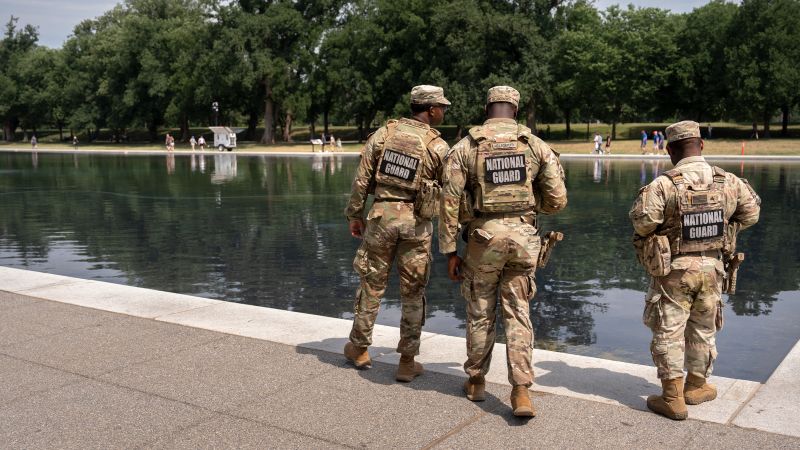
The ongoing drama also underscores the importance of law enforcement in maintaining order. With National Guard members and Park Police patrolling the area, the administration is signaling its commitment to addressing the issue. Yet, the division in public opinion suggests that the incident will be remembered as much for its political symbolism as for its physical consequences. As the cases progress, the Reflecting Pool may become a microcosm of the larger debates shaping Washington, D.C., and the nation’s direction.