Why is there fighting in Lebanon and does it threaten the Iran deal?

Why is There Fighting in Lebanon and Does It Threaten the Iran Deal?
Why is there fighting in Lebanon – The escalating conflict between Israeli forces and Hezbollah in southern Lebanon has raised concerns about its impact on the fragile US-Iran agreement aimed at resolving their long-standing tensions. As the violence continues, questions linger over whether the ongoing hostilities in the region could derail the tentative ceasefire deal between the two nations, which was designed to halt war efforts and stabilize diplomatic relations.
A History of Conflict
Hezbollah, a Shiite Islamist organization backed by Iran, has been a persistent adversary of Israel for decades. Emerging as a formidable force in Lebanon during the 1980s, the group has maintained a strong paramilitary presence and a clear objective: the destruction of Israel. With Iranian support, Hezbollah has amassed a significant arsenal of rockets, missiles, and drones, enabling it to challenge Israeli military operations across borders.
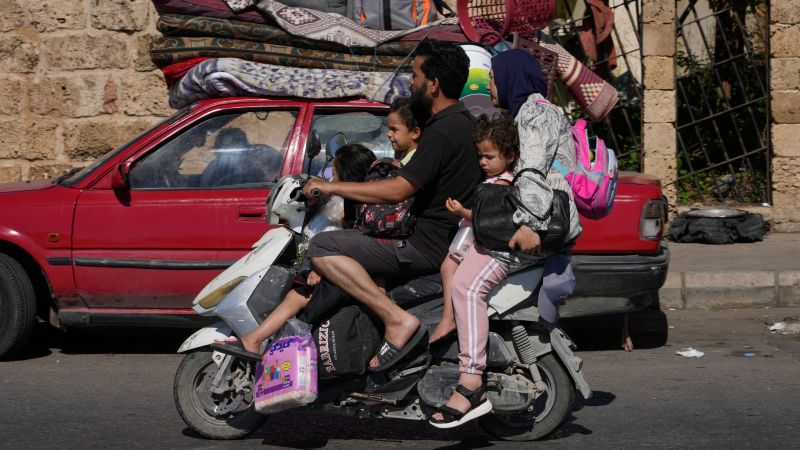
The current escalation traces its roots to a cycle of violence that began in October 2023. At the time, Hezbollah launched cross-border attacks on northern Israel in response to Israeli bombardments in the Gaza Strip, which were initiated after Hamas attacked southern Israeli territories. This triggered a year-long conflict that saw the assassination of Hezbollah’s former leader, Hassan Nasrallah, by Israeli forces in November 2024. The war left thousands of Lebanese civilians displaced and over 3,900 lives lost, according to the country’s health ministry.
The US-Iran Ceasefire Agreement
Amid the chaos, the United States and Iran reached a 14-point memorandum of understanding, which prioritizes an immediate end to hostilities in Lebanon. The agreement outlines that both nations and their allies will commit to ceasing military operations on all fronts, including in Lebanon, and ensuring the territorial integrity of the country. It also stipulates that they will refrain from using force against each other and avoid threats of war.
According to the text, the US and Iran agreed to “declare the immediate and permanent termination of military operations on all fronts, including in Lebanon, and undertake from now on not to initiate any war or any military operation against each other.” This commitment was underscored by US President Donald Trump, who stated on social media that the deal expects “a complete Ceasefire on all fronts, including Lebanon, Hezbollah, and Israel.”
For Iran, the agreement represents a critical step toward reducing Israeli attacks on its strategic ally Hezbollah. The country has consistently demanded that the US ensure the safety of its proxy group in Lebanon, especially as negotiations to end the broader conflict have stalled. A diplomat familiar with the talks told CNN that Iran insisted on guarantees before resuming negotiations, emphasizing that the war in Lebanon must conclude before progress could be made on issues like Tehran’s nuclear program and sanctions.
Israel’s Position and the Strain on the Alliance
Despite the agreement, Israel has not fully withdrawn from southern Lebanon, maintaining a security zone that it claims is essential for protecting its citizens. The Israeli government views the ceasefire as a temporary measure, arguing that its military actions are necessary to weaken Hezbollah’s capabilities and prevent further attacks. This stance has tested the close alliance between Israel and the US, with Israeli officials expressing frustration over the limits placed on their operations.
“With all due respect to the Americans, Israel must make it clear to the entire world that the blood of our sons and the security of our citizens are not up for sacrifice,” said Itamar Ben Gvir, the far-right National Security Minister. His remarks highlight the emotional and strategic tensions within the Israeli leadership, which remains determined to maintain its military presence in the region. Prime Minister Benjamin Netanyahu has echoed this sentiment, stating that Israel will not withdraw from Lebanon until its security needs are met. “We will restore security to the north,” he declared, underscoring the importance of the southern security zone in his strategy.
The Role of External Factors
The renewed violence in Lebanon has been fueled by broader geopolitical dynamics, including the assassination of Iran’s supreme leader, Ayatollah Ali Khamenei, in an Israeli-US airstrike in late February 2026. This event marked a turning point, prompting Hezbollah to retaliate by targeting northern Israel and escalating the conflict. The Israeli military responded with a series of airstrikes, pushing deeper into Lebanese territory to secure a buffer zone and dismantle Hezbollah’s infrastructure.
As a result, the southern regions of Lebanon have seen widespread destruction, with thousands of homes demolished and residents forced to flee. The conflict has also disrupted the delicate balance of the US-Iran deal, as both sides struggle to reconcile their differing priorities. While Iran seeks to protect its ally, Israel insists on maintaining the freedom to strike Hezbollah positions, which it believes is vital for long-term security.
Uncertainty and the Path Forward
With the ceasefire deal’s terms under scrutiny, the future of the US-Iran agreement remains uncertain. The original plan, which was meant to create a framework for resolving the three-month-old conflict, now faces challenges as the fighting in Lebanon continues. The agreement’s success hinges on the ability of both parties to adhere to its provisions, even as their military actions and political strategies evolve.
Iran’s diplomatic representatives have been pushing for assurances that the war in Lebanon will end before resuming talks with the US, while Israeli officials have been vocal about their need to maintain a strategic foothold in the region. This tug-of-war over control and security highlights the complexities of the agreement, which must navigate the delicate interplay of regional alliances, military objectives, and political diplomacy.
As the situation unfolds, the global community watches closely to see whether the US-Iran deal can withstand the pressures of ongoing hostilities. The memorandum of understanding, while ambitious, is now being tested in real-time, with each strike and counterstrike raising the stakes for both nations. The survival of the agreement may ultimately depend on the ability of the US and Iran to balance their immediate security concerns with their broader strategic goals in the Middle East.