White House staff bids farewell to planes used as Air Force One for more than 35 years

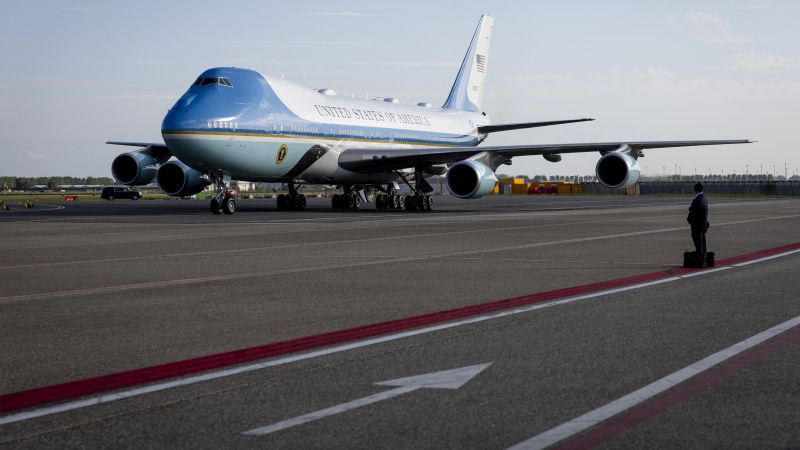
Retirement of Veteran Air Force One Aircraft Marks a New Era in Presidential Travel
White House staff bids farewell to planes – Thursday morning saw the arrival of the aircraft at a Washington-based location, marking the end of an era for the Boeing 747-200 models that have served as Air Force One since 1990. Two White House officials took to social media to express their final goodbyes to the aging fleet, which will soon be replaced by three upgraded planes. The transition, anticipated for the upcoming months, has sparked discussions about the legacy of these long-serving aircraft and their role in presidential history.
Legacy of the VC-25A Fleet
The Boeing 747-200s, known within the Air Force as VC-25As, have been a staple of U.S. presidential travel for over three decades. Their durability and adaptability have made them essential for transporting commanders-in-chief across the globe, from military operations in Iraq to diplomatic missions in China. Now, as the first of three new models is set to take flight, the older planes are being retired, a decision that underscores the need for modernization in the nation’s air transport capabilities.
“The last ride,” said Steve Cheung, the White House communications director, in a post on X, sharing a photograph of the aircraft. “Well done, good and faithful servant.” The sentiment echoed the pride and nostalgia of staff who have relied on these planes for critical trips over the years.
Dan Scavino, the White House Deputy Chief of Staff, reflected on his five-and-a-half years aboard the VC-25A, calling it “an iconic plane.” His post highlighted the plane’s role in countless presidential journeys, from routine travel to high-stakes missions. As the first of three new aircraft nears completion, the transition signals a shift in the operational priorities of the White House and the Air Force.
Introducing the New VC-25B Fleet
The future of Air Force One is being secured by three Boeing 747-800s, designated as VC-25Bs, which are currently undergoing modifications. These upgrades aim to enhance security, communications, and overall functionality for the president’s travel needs. A key component of this transition is the Qatari-donated jet, which has been repainted in a distinctive red, white, and gold scheme favored by Trump during his first term. This aircraft is expected to bridge the gap between the retiring VC-25As and the two additional planes Boeing is modifying, which will be operational within the next two years.
The Air Force has confirmed that the existing VC-25A models will remain in service, though their role will be adjusted. The spokesperson stated, “The VC-25B Bridge aircraft will soon join the active executive airlift fleet alongside the VC-25A and C-32.” The C-32, a modified Boeing 757, often serves as an alternative for transporting vice presidents, first ladies, and cabinet members, while also filling in as a backup for the president’s primary aircraft.
CNN previously reported that the Qatari jet was expected to be delivered “no later than summer 2026,” a timeline that aligns with the ongoing conversion process. The plane’s recent short flight on June 10, returning to Majors Airport in Greenville, Texas, was a significant milestone in its transformation. This location, where the aircraft is being retrofitted, is also where the VC-25As have operated for decades.
Historical Milestones and Security Upgrades
The VC-25A’s history is deeply intertwined with major events in U.S. history. For instance, it played a pivotal role on September 11, 2001, when former President George W. Bush was urgently evacuated from a school in Florida following the attack on the World Trade Center. The aircraft transported him to a secure Air Force base in Louisiana and later to a bunker in Nebraska, ensuring his safety during a time of national crisis.
While the Qatari jet is set to take over the presidential role, the older VC-25As will continue to serve in the fleet. Their retirement does not signal an end to their utility, as they are expected to remain in service for non-presidential missions. The Air Force has emphasized that these planes have been instrumental in maintaining the continuity of executive travel, even as they age.
“Ultimately, the Bridge aircraft fulfills a critical short-term requirement, guaranteeing the Air Force continues to execute its no-fail mission for the commander in chief while laying a rock-solid foundation for the future,” stated an Air Force release last month, confirming the plane’s progress toward completion.
Security concerns have been a central theme in the debate over the Qatari donation. Lawmakers and officials from both parties scrutinized the decision, questioning whether the luxury jet would meet the high standards required for presidential transport. However, the Air Force has assured that the aircraft will be retrofitted with advanced security systems, including those proposed during Trump’s first term. This includes upgrades to surveillance, communication, and defense technologies, ensuring the new planes are as secure as their predecessors.
Cost and Timeline for the New Fleet
Efforts to modernize Air Force One have come with a substantial price tag. Air Force Secretary Troy Meink revealed that retrofitting the donated Qatari jet would cost less than $400 million, a figure that reflects the complexity of the project. The modifications, which began last summer, include stripping down the aircraft and rebuilding it to meet the specific needs of presidential travel. The final step is the application of a new red, white, and gold livery, a design choice that resonates with Trump’s campaign colors and symbolizes a return to his preferred aesthetic.
Despite the cost, the transition has been seen as necessary. The current VC-25A fleet, though reliable, has faced criticism for its age. Trump’s administration has long advocated for newer planes, citing the need for updated technology and enhanced capabilities. The new VC-25Bs are expected to address these concerns, offering a blend of modern features and presidential prestige. The timeline for their full operational readiness has been marked by steady progress, with the Qatari jet now on track for delivery this summer.
Future of the Fleet and Public Reception
The retirement of the VC-25As has generated mixed reactions. While some view it as a logical step forward, others have questioned the necessity of the Qatari donation, especially given the political scrutiny it has endured. The color scheme of the new planes, which includes red, white, and gold, has been a point of contention, as the Biden administration had previously opted for a more traditional light blue and white design. However, Trump’s re-election has rekindled support for the original aesthetic, which now dominates the fleet.
As the new planes prepare to take to the skies, the fate of the older models remains uncertain. The Air Force has not provided specific details about their future use, but their history is unlikely to be forgotten. These aircraft have been a part of presidential journeys for nearly three-and-a-half decades, logging countless hours in service. From routine diplomatic meetings to crisis responses, they have been a constant presence, embodying the spirit of American leadership.
Public opinion on the transition has been divided. While some appreciate the symbolic return to Trump’s colors and the modernization of presidential travel, others argue that the Qatari donation could have been a more strategic choice. The decision to use the donated jet as a bridge between the old and new models has been praised for its efficiency, though it has not entirely quelled concerns about the long-term costs of the project. Regardless of the debate, the retirement of the VC-25As marks a pivotal moment in the evolution of Air Force One, setting the stage for a new chapter in presidential air mobility.