‘Spider-Man of Yemen’ dies in fall while climbing volcanic crater

‘Spider-Man of Yemen’ Dies in Fall While Scaling Volcanic Crater
Spider Man of Yemen dies in fall – Yemen’s daring climber, known online as “Spider-Man of Yemen,” has tragically lost his life after a fatal accident during an attempt to scale the vertical walls of a volcanic crater. Al-Qaqa Ibn Antar, 30, was exploring the steep cliffs of the Hardah Dam volcanic crater in the southern province of Dhale when he slipped and plunged into the 120-meter (393-foot) chasm, as confirmed by the Civil Defense Authority. The incident occurred on Friday, marking a somber moment for the adventure community in the region.
The Volcanic Crater: A Unique Geological Feature
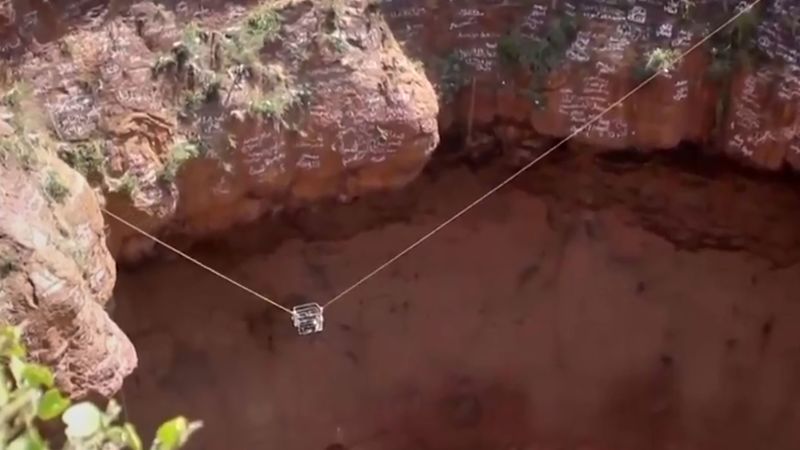
Located near the city of Damt in Yemen’s southern Dahle province, the Hardah Dam—also referred to as Haradhat Damt—is a striking geological formation that has captivated both locals and adventurers. Its sheer rock walls, combined with the presence of a hot sulfurous lake at the crater’s base, create an environment that is as treacherous as it is visually stunning. The crater’s unique terrain has made it a popular spot for high-risk climbs, with its natural features drawing attention from those seeking to test their limits against nature.
The Civil Defense Authority shared a 10-second video of Antar’s fall, which captures the moment of his perilous ascent. In the footage, Antar is seen navigating the rocky face with bare hands, his right hand gripping the cliff while his left hand stretches upward. The video, which has since gone viral, highlights the high-stakes nature of his challenge, as he appears to lose his grip just as he reaches a critical point in the climb. The presence of Arabic names etched in white across the wall adds a cultural dimension to the climb, symbolizing the region’s connection to its heritage even in the face of extreme danger.
Heroic Rescue Efforts Amid Challenging Conditions
Following the fall, rescue teams were swiftly deployed to recover Antar’s body. The operation, which spanned four hours, was described by the Civil Defense Authority as “complex” due to the crater’s rugged and inaccessible location. Divers played a crucial role in retrieving his remains from a depth of 30 meters (100 feet) below the water surface, navigating through the volcanic walls and the sulfurous lake that adds an extra layer of difficulty to the task. The effort underscores the dangers of such climbs, where even the act of retrieving a fallen climber can be as perilous as the ascent itself.
Antar’s death has sparked discussions about the risks associated with extreme sports in Yemen, a country already grappling with ongoing conflict and environmental challenges. The crater, while a natural wonder, presents unique hazards, including unstable rock formations and unpredictable weather conditions. These factors, combined with the lack of safety equipment, contribute to the precarious nature of the climbs. The video of his fall, which was shared by the Civil Defense Authority, has become a poignant reminder of the bravery and risk inherent in such pursuits.
Spider-Man of Yemen: A Social Media Sensation
Antar gained widespread recognition through his videos, which showcased his fearless expeditions across Yemen’s most challenging landscapes. His content, often uploaded to platforms like YouTube and Instagram, featured high-risk ascents of vertical rock faces and rugged terrain. One of his most popular clips depicted him hanging from the edge of a cliff, his legs dangling over a steep slope, all while relying solely on his bare hands for support. These videos, which frequently went viral, highlighted his unique style and the growing popularity of adventure sports in Yemen.
His social media presence not only inspired a new generation of climbers but also brought international attention to the region’s natural beauty and the daring spirit of its adventurers. Fans and followers admired his courage, even as they questioned the safety of his methods. The Houthi-controlled Saba news agency, Yemen’s official news outlet, reported the incident, emphasizing Antar’s role as a symbol of resilience and exploration in a land often marked by conflict.
Lessons from a Tragic Incident
As the news of Antar’s death spreads, the Civil Defense Authority has issued a stark warning to climbers and adventure enthusiasts. “It is essential for individuals engaging in such activities to observe safety procedures and use appropriate protective gear to avert similar incidents,” the authority stated. This message comes as a reminder of the importance of preparation and caution in environments where a single misstep can lead to catastrophe.
Antar’s story serves as a cautionary tale for those who push the boundaries of physical and mental endurance. While his actions were celebrated for their audacity, they also exposed the vulnerabilities of climbing without proper equipment. The incident has prompted a renewed focus on safety protocols in Yemen’s adventure community, with experts calling for stricter guidelines to protect climbers from similar fates. His legacy, however, remains one of inspiration, as his videos continue to be viewed by thousands, a testament to his impact and the enduring appeal of his fearless spirit.
Locals in Dhale province have expressed both admiration and concern for Antar’s untimely demise. Many view him as a pioneer who brought visibility to the region’s natural wonders, while others highlight the need for greater awareness of the risks involved. His fall into the crater, which was captured in real-time by the video, has become a defining moment in Yemeni climbing history, a blend of triumph and tragedy that encapsulates the essence of adventure.
Environmental experts have also noted the significance of the volcanic crater as a site of natural beauty and ecological importance. The sulfurous lake at its base, formed by the interaction of magma and water, is a unique ecosystem that supports specialized flora and fauna. Climbers who venture into such areas must not only contend with the physical challenges but also the environmental hazards that come with it. Antar’s fall, therefore, serves as a dual reminder of both the allure and the danger of exploring Yemen’s volcanic landscapes.
In the wake of the incident, there has been a call for increased safety training and the adoption of modern climbing techniques in Yemen. While traditional methods have long been used by local climbers, the integration of equipment such as harnesses and ropes could significantly reduce the risk of accidents. Antar’s videos, which often showcased his use of bare hands, have now been revisited by safety advocates as a case study in the balance between daring and preparedness.
The tragedy has also sparked a conversation about the role of social media in amplifying the risks of extreme sports. While Antar’s online presence helped popularize the crater as a destination for adventurers, it also placed pressure on others to emulate his feats without fully considering the consequences. His death, captured in a viral video, has served as a powerful visual reminder of the dangers inherent in such activities, prompting a reevaluation of the standards and practices within Yemen’s adventure community.
As the search for Antar’s body concludes, his story will undoubtedly be remembered as a blend of heroism and hubris. The crater, once a symbol of natural grandeur, now stands as a testament to the risks faced by those who dare to conquer its heights. His legacy will live on in the videos that continue to inspire, as well as in the safety measures that may now be adopted to ensure that future climbers can enjoy the beauty of Yemen’s landscapes without the same fate befalling them.