Iran agreement: Bad, BATNA or both?

Iran agreement: Bad, BATNA or both?
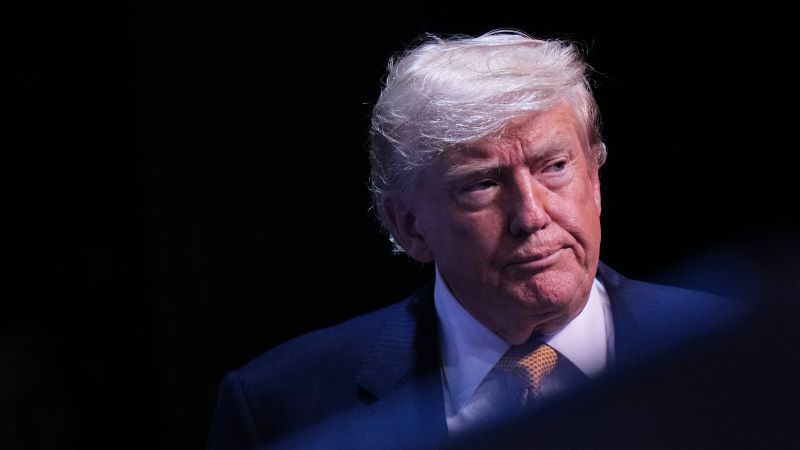
Iran agreement – Brett McGurk, a CNN global affairs analyst, has held prominent national security roles under U.S. presidents spanning multiple administrations, including George W. Bush, Barack Obama, Donald Trump, and Joe Biden. As discussions on a potential Iran agreement transition from the question of whether a deal will be reached to evaluating its terms, analysts are already speculating about its outcomes. Without seeing the full text, the details of Iran’s commitments, the timelines for implementation, and the mechanisms for enforcing the agreement remain unclear. However, based on the information released so far, the current administration has made compromises on certain issues it once considered non-negotiable, such as sanctions and the long-term governance of the Strait of Hormuz. This has led to speculation that President Donald Trump may have been forced to retreat from his earlier stance, conceding to terms that were previously deemed unacceptable. But why did he choose to do so? A fundamental concept in negotiation theory, BATNA, or the best alternative to a negotiated agreement, offers insight into this decision.
The Debate Over Concessions
When negotiations reach a critical juncture, diplomats often confront a pivotal question: what is the fallback plan if an agreement cannot be achieved? This question, central to BATNA, determines whether a deal is worth pursuing. Last week, the talks appeared to be at a deadlock, with the decision hinging on whether to abandon the process or accept Iran’s demands. BATNA suggests that if walking away from the table leaves a party in a better position—either by avoiding further losses or by strengthening future leverage—then rejecting an agreement might be justified. Conversely, if the absence of a deal results in greater disadvantages, even an imperfect agreement becomes a necessary compromise.
In the context of the Iran talks, the choice between concession and withdrawal hinged on the potential consequences of each. Proponents of the deal argued that failure to reach an agreement could escalate tensions, leading to military strikes on Gulf infrastructure or disruptions in energy markets. The economic strain on countries reliant on oil imports, combined with the risk of prolonged instability, made a deal seem more attractive. On the other hand, opponents viewed the situation differently. They emphasized that oil prices remained relatively stable, the U.S.-led maritime corridor through the Strait of Hormuz was functioning, and Iran’s economy was already under pressure from existing sanctions and reduced oil exports. From their perspective, time was working in Washington’s favor, not Tehran’s.
Understanding BATNA in Practice
President Trump’s decision to accept certain terms may reflect a strategic calculation rooted in BATNA. If the alternatives to a deal—such as prolonged conflict or the collapse of regional trade—were viewed as more detrimental, then even a flawed agreement could be preferable. This logic aligns with the broader principle that a negotiator’s willingness to accept a deal depends on the viability of their fallback options. For instance, if the best alternative is a severe economic downturn caused by Iran’s attacks on oil shipping, then a deal that eases this pressure becomes a calculated risk. Conversely, if the fallback option is simply enduring the current standoff with limited impact, the deal might appear less necessary.
Yet, the effectiveness of BATNA depends on the strength of the alternatives. In this case, the U.S. faced a dilemma: either agree to Iran’s terms or risk an escalation that could worsen the economic crisis. The administration’s concessions on sanctions and the Strait of Hormuz suggest they prioritized immediate stability over long-term strategic gains. This approach may have been influenced by the recognition that Iran’s leverage is tied to its control over critical infrastructure, such as the Strait of Hormuz—a vital waterway for global oil shipments. By securing temporary access to this corridor, the U.S. could mitigate the risk of a full-scale confrontation, even if it meant accepting less favorable conditions.
Iran’s Negotiation Strategy
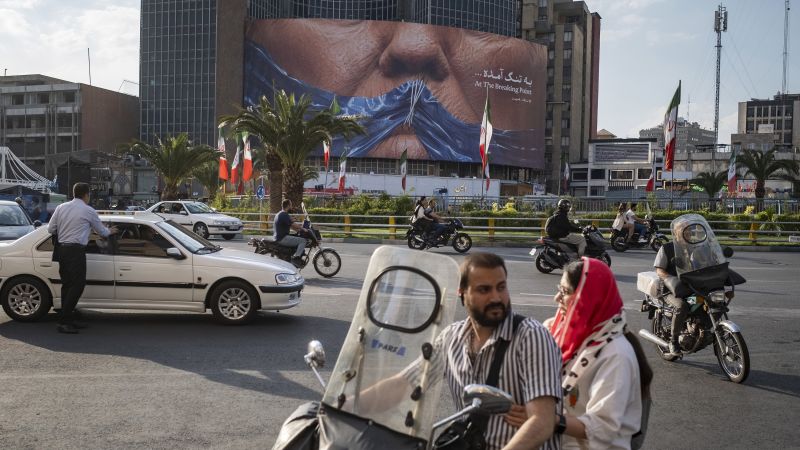
There is another dimension to this negotiation that goes beyond BATNA. McGurk highlights a lesson from his own experience in hostage diplomacy: Iran’s approach often hinges on possession, not compromise. In the case of American hostages held in Tehran, the country’s strategy was to hold onto valuable assets while demanding payment to release them. This model of negotiation—where the captor demands a price to relinquish control—has parallels in the current talks. Iran may have used threats to shipping lanes and energy supplies to build its leverage, effectively making the Strait of Hormuz a bargaining chip.
“Meet the price and the hostage goes free. Refuse and the hostage remains captive.”
This analogy underscores the power dynamics at play. Iran’s ability to disrupt critical energy flows creates a sense of urgency for the U.S. to negotiate. By securing access to the strait, Washington could prevent a worst-case scenario, but it also had to weigh the long-term implications of conceding to Iran’s demands. The administration’s acceptance of an imperfect agreement may signal a shift in strategy, where the immediate relief of economic pressure is prioritized over the long-term consequences of weakened deterrence.
Assessing the Deal’s Impact
As the details of the agreement take shape, the focus will shift to evaluating the extent of American concessions and Iranian commitments. The central question is whether the deal was a defensible choice based on BATNA or a series of compromises that may have set the stage for future conflict. If the administration’s fallback options were indeed more costly than the agreement itself, then the decision to accept it could be justified. However, if the deal merely allowed Iran to retain its strategic advantages while weakening U.S. influence, it may have been a strategic error.
Iran’s position in the negotiation was strengthened by its ability to maintain control over the Strait of Hormuz through threats. This dynamic mirrors historical patterns where Tehran has used its grip on vital resources to pressure the West. The agreement, therefore, may not only represent a compromise on current terms but also a recognition of Iran’s dominant role in the region. The U.S. has historically sought to reduce Iran’s influence through sanctions and military presence, yet the deal seems to have reinforced that influence in exchange for temporary relief.
The debate over the Iran agreement will ultimately hinge on whether the concessions made were necessary to avoid a greater crisis. If the alternative was a military conflict that could have crippled the region’s economy, then the deal may have been a prudent step. However, if the agreement merely exchanged short-term stability for long-term concessions, the consequences could be significant. As the text of the agreement becomes available, the key will be assessing whether the compromises reflect a strategic retreat or a calculated risk that balances immediate and long-term interests.
McGurk’s insights into the negotiation process highlight the complexity of balancing idealism with realism. While the deal may not satisfy all parties, it represents a pragmatic attempt to secure the most favorable outcome given the circumstances. The success of this approach will depend on whether the terms hold up under scrutiny and whether they allow the U.S. to maintain its position as a key player in the region. In the end, the agreement’s legacy will be judged not only by its immediate results but also by its ability to prevent future conflicts while addressing the challenges posed by Iran’s growing influence.
With the details still emerging, the full scope of the deal’s implications remains to be seen. The negotiations have revealed a stark contrast in perspectives: one side sees the agreement as a necessary safeguard against economic collapse, while the other views it as a concession that weakens U.S. leverage. As the final terms are finalized, the world will watch closely to determine whether this was a bold move to avert disaster or a step toward a more precarious balance of power in the Middle East.