A psychiatric defense may be Luigi Mangione’s best argument in state murder trial, experts say. Here’s why

A psychiatric defense may be Luigi Mangione’s best argument in state murder trial, experts say. Here’s why
A psychiatric defense may be Luigi – Luigi Mangione’s legal team is reportedly considering a psychiatric defense as a potential strategy in his upcoming state trial, according to experts familiar with the case. This approach, which could argue that Mangione lacked full mental capacity at the time of the December 2024 killing of UnitedHealthcare Chief Executive Brian Thompson, has drawn attention from legal analysts and forensic psychologists. The decision hinges on how effectively the defense can present evidence of a significant psychological shift in the defendant’s behavior leading up to the incident.
Background on the Arrest and Charges
Mangione, a 28-year-old, was apprehended shortly after the shooting of Thompson, a high-profile executive. The Manhattan District Attorney’s office is prosecuting him on murder and weapons charges, with additional federal stalking accusations pending. Despite his not guilty plea to the state charges, the prosecution has already secured key evidence, including the alleged murder weapon discovered in his backpack and writings expressing his animosity toward the healthcare sector. These documents suggest a deliberate intent to target Thompson, which could strengthen the case against Mangione.
“Something changed, right? Significantly, something changed,” said Karen Friedman Agnifilo, a former prosecutor and CNN legal analyst, reflecting on Mangione’s sudden transformation. She emphasized that the evidence against him is “overwhelming,” making a psychiatric defense a compelling option to challenge his culpability.
While the exact nature of Mangione’s defense remains uncertain, his lawyers have already taken steps to keep the strategy under wraps. Last August, they submitted a request to the judge for more time before revealing their decision on a mental health defense. Since then, the issue has been largely confidential, with a court hearing earlier this month sealed at the defense’s request. This secrecy hints at a deeper effort to prepare a narrative that could sway the jury’s perception of the case.
Expert Analysis on the Mental Health Defense
Forensic psychologists and legal experts believe that a psychiatric defense could be critical in framing Mangione’s actions. “There’s absolutely going to be a mental defense in this case,” predicted Kris Mohandie, a veteran forensic psychologist. He pointed to a “significant change” in Mangione’s behavior prior to the shooting, which might include erratic actions or emotional instability. Mohandie argued that such a defense would allow the prosecution to uncover more evidence, such as medical records and family interviews, while also giving the defense a chance to humanize the accused.
However, the defense’s success depends on how well they can connect Mangione’s mental state to the crime. “It opens up the door to different types of evidence that would otherwise not be relevant,” said Gary Galperin, a former prosecutor, highlighting the dual-edged nature of the strategy. While it could provide insight into Mangione’s motives, it might also expose vulnerabilities that the prosecution could exploit.
Mangione’s Personal History and Public Reaction
Before the shooting, Mangione was known for his academic achievements, having graduated as valedictorian of his class. His family background and personal success have created a stark contrast to the alleged crime, prompting questions about what triggered his actions. In the months preceding the attack, Mangione’s online presence dwindled, and his mother filed a missing persons report, raising suspicions about his mental state.
Following the arrest, the case has sparked a wave of public sentiment. Supporters of Mangione have rallied to his defense, with some viewing him as a victim of systemic frustrations within the healthcare industry. Donors have contributed over $1.5 million to his legal team, indicating a growing belief that his actions were justified. Law enforcement officials, however, have criticized this support as an unusual “celebration” of a cold-blooded murder, emphasizing the gravity of the crime.
“Jurors always want to understand why, and they want it explained,” Mohandie said, noting that a psychiatric defense could help address these questions. “It will also, in the process, I believe, humanize what is a very predatory attack on this man.”
Mangione’s potential use of a mental health defense could also align with broader public discontent toward the healthcare industry. His writings, which expressed a desire to “wack (sic) the CEO,” suggest a motive rooted in anger toward corporate practices. If the defense can effectively link this sentiment to his actions, it might create a sympathetic image for the jury, even as the prosecution works to counter it.
The Strength of the Evidence and Legal Challenges
Despite the defense’s efforts, the evidence against Mangione is robust. The alleged murder weapon, along with the timing of the attack and the defendant’s prior online expressions, forms a compelling case. A key ruling last month allowed prosecutors to present these materials, underlining their confidence in the case. Yet, the defense argues that a psychiatric strategy could still offer a viable pathway to challenge the prosecution’s narrative.
“They need to do it, and it will render him more sympathetic potentially, if done correctly,” Mohandie added, underscoring the importance of a well-crafted defense. While the strategy is not guaranteed to succeed, it could provide a narrative that explains the alleged motive and transforms the defendant from a cold killer to a troubled individual caught in a moment of crisis.
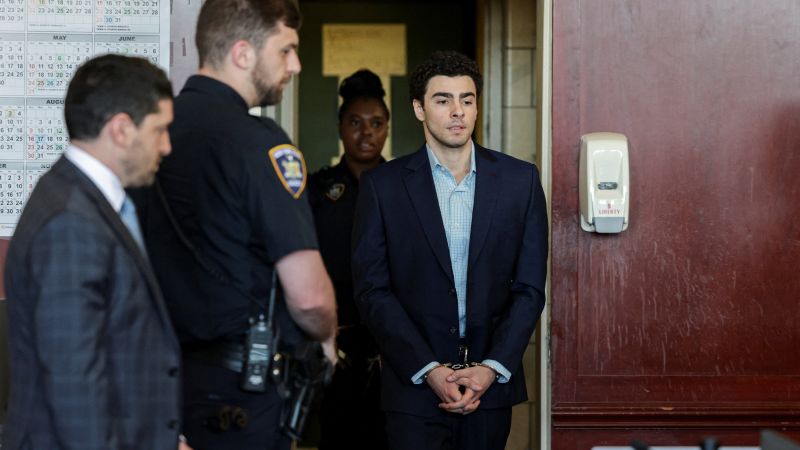
As Mangione prepares to appear in state court, the legal battle between his team and the prosecutors is intensifying. The defense’s ability to present a coherent psychiatric argument will be tested in the coming weeks, with the jury’s understanding of the case playing a pivotal role. Whether this defense will hold up under scrutiny remains to be seen, but its potential to reshape the narrative is evident in the strategic moves already underway.
The case also highlights the intersection of personal trauma and systemic outrage. Mangione’s arrest shocked those who knew him, but it also ignited a debate about the pressures of the healthcare industry and the mental toll it might take on individuals. His X-ray of his spine, posted online before the shooting, was one of the first clues pointing to a possible motive, though its significance remains open to interpretation.
Ultimately, the psychiatric defense may be the key to unlocking a deeper understanding of Mangione’s actions. If successful, it could not only mitigate his liability but also turn public opinion in his favor. However, the defense must navigate the challenge of presenting a compelling case without undermining the evidence of his intent. As the trial approaches, the courtroom may become a stage for both the prosecution’s relentless pursuit of justice and the defense’s attempt to humanize a figure who has become a symbol of broader societal tensions.