From cartels to street vendors: Here’s who stands to profit (or not) from World Cup tourism in Mexico

From Cartels to Street Vendors: World Cup Tourism in Mexico
From cartels to street vendors – As the World Cup kicks off in Mexico City, the event is reshaping the economic landscape, from cartels to street vendors. The vibrant colors of the Mexican flag now dominate the cityscape, with green, white, and red hues appearing on everything from street signs to digital displays. This global sporting spectacle promises to bring $3.7 billion (MX$65 billion) into Mexico’s economy, with tourism expected to account for nearly half of that figure. Yet, while many businesses see opportunity, others worry about the risks posed by criminal groups and the impact of urban changes on local trade.
Local Businesses and the Rise of Unofficial Merchandise
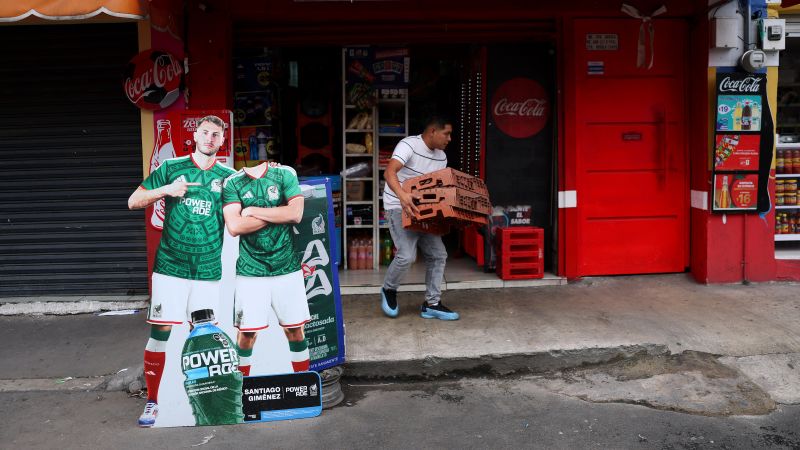
For small vendors, the tournament presents a chance to thrive. In the heart of Mexico City, El Zocalo has become a hub for unofficial soccer-themed goods, from keychains to plush toys. Miguel Laguna, manager of Salon Corona, a popular live viewing spot, believes the event will boost foot traffic. “We’re already seeing more customers, and the tournament will only amplify that,” he said, citing the plaza’s strategic location. Meanwhile, Alejandro Gonzalez, owner of Garage Burger in a residential area, is decorating his eatery with football balloons to attract fans.
“It’s about seizing the moment,” Gonzalez explained, emphasizing the importance of visibility during the event.
However, not all local businesses are equally positioned to benefit. Nayeli, a kiosk manager in El Zocalo, fears that the creation of a dedicated “fan fest” zone may redirect customers to official areas. “Before, people would stop by for a quick snack, but now they’re being directed to the official zones,” she said. This shift could reduce the reach of independent vendors, who rely on the plaza’s longstanding charm to draw visitors.
Cartels and Cyber Threats in the Spotlight
Amid the economic optimism, organized crime groups are also eyeing the influx of money. Security analysts predict extortion will be a major source of profit for cartels, targeting businesses such as restaurants and hotels. In resort towns like Cancun and Puerto Vallarta, where fans will travel for day trips, criminal networks have a history of siphoning revenue from tourist establishments. “The surge in activity creates a perfect environment for exploitation,” said Victoria Dittmar, a senior researcher at InSight Crime.
Alongside physical threats, cybercriminals are capitalizing on the event’s popularity. Scams like counterfeit tickets and fake hospitality packages are already being flagged by officials. “These platforms are designed to steal personal and financial data,” a government spokesperson noted. “They can monitor device activity or even integrate users into bot networks for illicit operations.” As the tournament draws international attention, both street vendors and cartels are adapting to the changing dynamics.
Urban Development and Its Challenges
The transformation of Mexico City’s public spaces is a key aspect of the World Cup preparation. El Zocalo has been redeveloped with a giant screen, stages, and licensed vendor stalls. While this setup enhances the visitor experience, it also raises concerns about accessibility. Juan Carlos, an organ grinder near the presidential palace, noted that his traditional barrel organ—once a cultural draw—now competes with commercial attractions. “This part of the city is a classic, and people come to see it,” he said, wearing the iconic beige uniform of his craft.
Yet, the city’s efforts to streamline the fan experience come with trade-offs. Street closures and limited space in the fan fest zones may disrupt the flow of visitors to local businesses. “We need to balance the excitement of the tournament with the needs of everyday residents,” said a city planner, highlighting the challenge of maintaining economic equity during the event. As the World Cup unfolds, the competition between cartels, vendors, and developers will shape the city’s future.