FBI seizing evidence at California plant where chemical tank overheated and forced evacuations

FBI Seizing Evidence at California Plant After Chemical Tank Incident
FBI seizing evidence at California plant – On Wednesday, federal agents executed a search at a Southern California aerospace facility, following an incident in which a chemical tank overheated last month. The operation, approved by a federal judge last week, focused on retrieving documents and samples related to the handling of methyl methacrylate, the flammable substance stored in the tank. The search was prompted by the need to investigate potential safety violations and assess the risk posed to nearby communities.
Search Warrant and Scope of Investigation
The search warrant, signed by a federal judge, authorized the FBI to seize records detailing the storage, usage, or disposal of methyl methacrylate. This includes data on how the chemical was managed within the plant’s operations, as well as any potential mishandling that may have contributed to the overheating event. Agents were also tasked with collecting physical samples from tanks, containers, or other storage units suspected of holding or previously containing the chemical. The focus on hazardous substances underscores broader concerns about industrial safety protocols and environmental compliance.
“Samples of the substance within any tank, tote, drum, vat, vessel, or container suspected of containing or having previously contained methyl methacrylate and/or any hazardous substance” were also sought, according to the warrant.
Incident at GKN Aerospace Transparency Systems
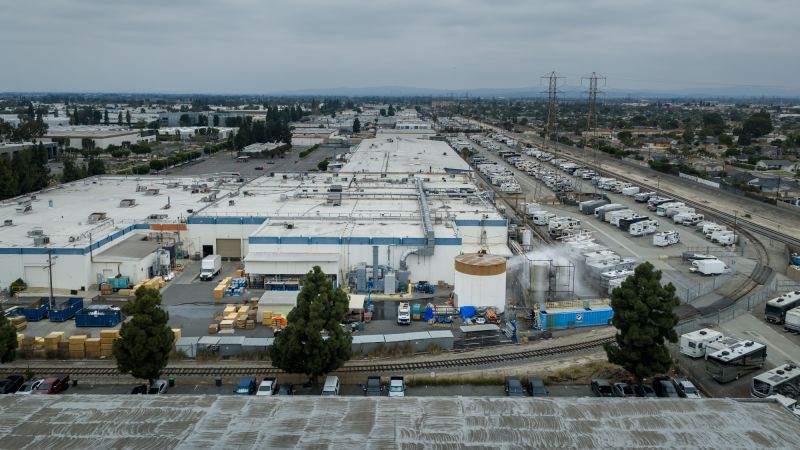
The facility in question, GKN Aerospace Transparency Systems, is located in Garden Grove, Orange County. This company specializes in manufacturing components for aircraft, including cockpit windows, canopies, and windshields. The incident involving the chemical tank occurred last month, triggering the evacuation of approximately 50,000 residents in the surrounding area. Authorities cited the rapid spread of heat and the potential for fire as key factors in their decision to evacuate.
According to reports, the tank that overheated contained between 6,000 to 7,000 gallons of methyl methacrylate, a substance known for its high flammability. The volume of the chemical involved highlights the scale of the risk, as such quantities can release significant amounts of heat and vapor in the event of a malfunction. The FBI’s investigation aims to determine whether the incident was caused by a technical failure, human error, or systemic oversight in the plant’s safety measures.
Chemical Properties and Health Concerns
Methyl methacrylate, the primary chemical in question, is widely used in industrial applications due to its versatility. However, its flammable nature means that even minor leaks or temperature fluctuations can escalate into dangerous situations. The Environmental Protection Agency has warned that exposure to this substance can lead to severe respiratory issues, neurological symptoms, and irritation to the skin, eyes, and throat. These effects are particularly concerning in densely populated areas, where a single incident can impact a large number of people.
The agency’s statements emphasize the importance of monitoring chemical exposure levels and ensuring proper containment procedures. In the case of the overheated tank, the rapid release of methyl methacrylate likely contributed to the immediate health risks faced by evacuees. Investigators are now examining whether these risks could have been mitigated with better storage practices or emergency protocols.
Community Impact and Safety Measures
The evacuation of 50,000 residents underscored the urgency of the situation. While the exact duration of the incident and its aftermath is still under review, the response from local authorities demonstrated a commitment to public safety. Garden Grove officials reported that the affected area was temporarily cordoned off, and air quality assessments were conducted to ensure the risk to residents had been minimized.
GKN Aerospace, a key player in the aerospace industry, has been working to restore normal operations following the event. The company’s spokesperson stated that the incident was isolated and that all safety systems are now being reviewed. However, the FBI’s involvement suggests that the investigation is likely to be thorough, with a focus on both the immediate cause of the overheating and broader safety standards within the facility.
Broader Implications for Industrial Safety
While the incident at GKN Aerospace is specific, it raises questions about the safety of chemical storage in industrial settings. The FBI’s seizure of evidence is part of a larger effort to hold companies accountable for hazardous conditions that threaten public health. Similar incidents in the past have led to significant regulatory changes, and this case may contribute to further advancements in safety protocols.
Industry experts note that methyl methacrylate is commonly used in manufacturing, but its handling requires stringent precautions. The recent event highlights the need for regular inspections, staff training, and emergency response planning. As the investigation unfolds, it could set a precedent for how chemical hazards are managed in aerospace and other sectors.
Timeline and Next Steps
The overheating incident occurred last month, prompting a swift response from local authorities. A search warrant was signed just days later, allowing federal agents to begin their investigation. The Wednesday search marks a critical phase in the inquiry, as it provides an opportunity to gather physical evidence that could clarify the sequence of events and identify any lapses in safety procedures.
Officials have not yet released the full findings of the search, but the FBI’s actions indicate a serious commitment to uncovering the truth. The agency is likely to collaborate with environmental experts and safety regulators to analyze the data collected. This process will be essential in determining whether the incident was an isolated occurrence or part of a larger pattern of oversight within the facility’s operations.
Residents in Garden Grove are now waiting for updates on the investigation’s progress. While the immediate threat has been addressed, concerns remain about the long-term effects of exposure to methyl methacrylate. The EPA’s warning about the chemical’s health risks serves as a reminder of the importance of transparency and accountability in industrial practices. As the FBI continues its work, the community will be closely watching for answers that could prevent future incidents of this nature.