Iron Age woman likely had her brains scooped out before burial, study suggests

Iron Age Woman Likely Had Her Brain Removed in Burial Ritual, Study Reveals
Iron Age woman likely had her brains – A new study suggests that an Iron Age Scottish woman may have had her brain extracted as part of a unique funerary tradition. Archaeologists from the UK and US, analyzing remains excavated from a cairn in 2000, found evidence of intentional skull modifications that point to a ritual involving brain removal. Published in *Antiquity*, the research highlights how this practice could reflect ancient beliefs about the afterlife and the symbolic importance of the brain in Iron Age society.
Skull Modifications and Brain Extraction
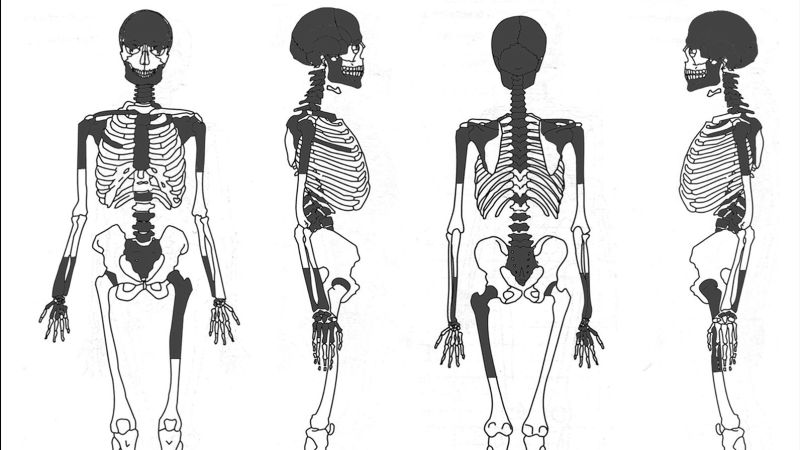
The woman’s skull shows straight, parallel cuts on its interior, which the research team interprets as signs of a deliberate procedure to remove her brain. According to Laura Castells Navarro, a postdoctoral archaeologist at the University of York, the incisions align with the areas where brain ligaments connect to the skull, making them a logical point of entry. The precise fracture at the base of the cranium further supports the idea that her brain was removed with care, preserving the skull’s structure.
“The cutmarks were in the region where the brain attaches to the skull, so it makes sense they would target those areas to extract the brain,” Navarro explained. “The base of the skull was the most straightforward location for such a removal, suggesting a methodical approach.”
While the woman’s remains display clear signs of this ritual, a nearby male burial shows no such trauma. This contrast hints at differing treatment of individuals in Iron Age Scotland, potentially linked to their roles or status within the community. The woman, estimated to have lived beyond 30 years of age, was interred with four modified long bones, which may have been reshaped for symbolic purposes.
Bone Alterations and Cultural Significance
Researchers discovered that four of the woman’s bones—femur, humeri, and ulna—were altered before burial. Earlier theories suggested rodent activity could account for these marks, but Navarro argues the surfaces show intentional polishing. The bones were likely snapped and sharpened, possibly to create ceremonial objects or convey spiritual meaning. This process, she notes, demonstrates an understanding of anatomy and a desire to honor the deceased.
“The femur had a flat, smooth finish, which suggests a different method or purpose for that bone,” Navarro observed. “These alterations may have served both practical and symbolic functions in their burial practices.”
Despite the brain removal, the bones were repositioned in their anatomical order, indicating a respectful approach to the body even after death. This detail raises questions about how Iron Age communities viewed the balance between transformation and preservation of the dead, potentially reflecting rituals tied to ancestral veneration.
Historical Context and Broader Implications
The woman and the young male, likely related and possibly maternal second cousins, were dated to have died between 50 BC and 70 AD. Their remains, found in a cairn on the northern Scottish mainland, are part of a growing body of evidence about Iron Age mortuary practices. While similar skull modifications have been noted in other sites, the brain removal here stands out as a distinctive feature, offering new insights into the cultural symbolism of the brain in ancient Scottish traditions.
“This practice fits into a broader pattern of post-mortem manipulation, but the brain removal is unique,” Navarro said. “It suggests a specific ritual aimed at honoring or transforming the remains in a way that resonates with their spiritual beliefs.”
Experts believe such rituals could have been performed to connect the living with the dead or to prepare the body for an afterlife. The precision of the cuts and the intentional shaping of bones highlight the sophistication of these practices, challenging earlier assumptions about Iron Age funerary customs and their cultural depth.