The Strait of Hormuz is ‘leaking’ oil

The Strait of Hormuz is ‘leaking’ oil
The Strait of Hormuz is leaking – Amid a major global energy crisis, one question has dominated conversations in the business world: why has the oil market remained surprisingly stable despite the unprecedented disruption caused by the conflict in the Strait of Hormuz? For months, the narrow waterway has been a focal point of tension, with oil traffic plummeting to just 15% of pre-war levels, according to data from JPMorgan. Yet, the price of Brent crude has not surged to the alarming heights many analysts predicted. This anomaly has sparked debates about the role of hidden oil movements in cushioning the market from the full impact of the supply shock.
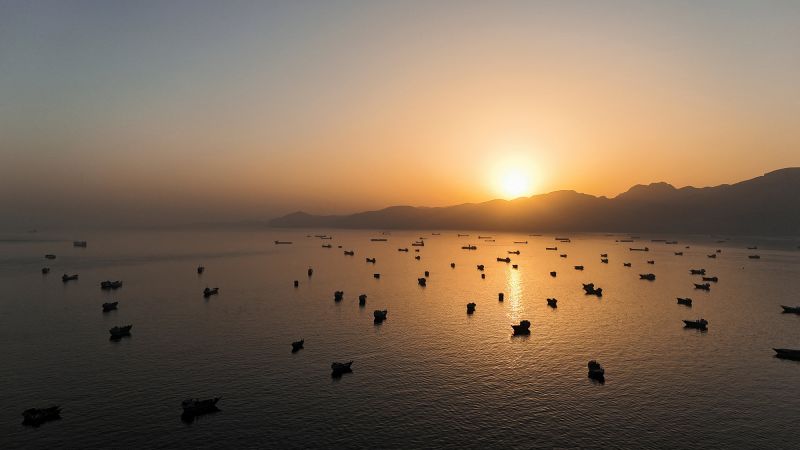
The Strait of Hormuz, a vital chokepoint for global oil shipments, has been under siege by a prolonged conflict. The war, which began earlier this year, has drastically reduced the flow of crude oil through the region. Tankers that once passed through the strait in steady streams now move cautiously, with some vessels avoiding detection by switching off their transponders. This method, dubbed “clandestine flows,” has become a key topic of discussion among energy experts, as it may explain why oil prices have not risen as sharply as expected.
According to JPMorgan, the clandestine flows have accounted for approximately 2.1 million barrels per day during the last two weeks of May. This figure represents a modest but significant portion of the pre-war average of 15.6 million barrels flowing through the strait daily. “Despite the ongoing naval blockade and the steep decline in commercial traffic, surprising volumes of crude and petroleum products still appear to be transiting the Strait,” wrote Natasha Kaneva, JPMorgan’s head of global commodities strategy, in a recent client note. Her observations suggest that these unregistered movements are helping to stabilize the market.
“We assume Hormuz traffic has been 0% to 10% of prewar flows, but with this leakage it could be a little higher,” said Bob McNally, founder and president of Rapidan Energy Group. “It’s not nearly enough to avoid big and bullish inventory draws, but it does take some of the edge off.”
Jan Stuart, a global energy economist at Piper Sandler, has estimated that about 2.9 million barrels per day of crude oil bypassed the strait in May. This includes 2.1 million barrels transported via vessels that paid tolls to Iranian entities. The remaining 900,000 barrels are categorized as “ghost” transits, where ships moved through the waterway unnoticed, possibly to evade scrutiny. “The ghosts, or clandestine flows, help,” Stuart told CNN. “There has been far better mitigating of the crisis than I would have thought possible.”
While clandestine flows have played a role in easing the immediate impact, they are not the sole reason for the market’s relative calm. Other channels have also contributed to the supply situation. Piper Sandler estimates that around 4.5 million barrels of crude per day have left the Persian Gulf through alternative routes, primarily via the East-West Pipeline that connects Saudi oilfields to the Red Sea port of Yanbu. This pipeline has become a critical lifeline for maintaining oil flows even as the strait faces blockades.
China’s aggressive reduction in crude oil imports has further eased the pressure on global markets. As one of the largest consumers of energy, China’s shift toward building massive stockpiles has helped offset some of the supply losses. This demand-side adjustment, combined with the clandestine flows and pipeline transport, has created a buffer that has prevented prices from skyrocketing. JPMorgan’s Kaneva has emphasized that these collective efforts—both on the supply and demand sides—are reshaping the market’s response to the crisis.
Kaneva also highlighted deeper demand losses that have been overlooked. “Taken together, these adjustments help explain why prices near $100 are not signaling that the disruption is small,” she wrote. “Rather, they are signaling that the market has found ways—albeit costly ones—to absorb it.” This suggests that the market is adapting, even if not perfectly, to the challenges posed by the conflict.
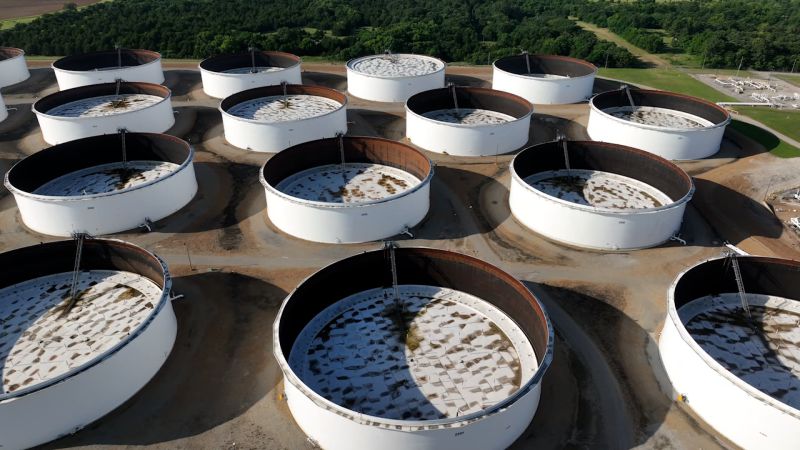
However, not all analysts are convinced that the current situation is a sign of stability. Some seasoned oil veterans argue that the market is underestimating the long-term effects of the disruption. Commercial oil stockpiles have dropped sharply since the conflict began, and the U.S. Strategic Petroleum Reserve is nearing its lowest level since the early 1980s. These declining reserves indicate that the supply crunch is still a pressing issue, even if it has not yet triggered a dramatic price spike.
Looking ahead, Stuart of Piper Sandler predicts that Brent oil prices could average $130 per barrel in July and August. If this projection holds, it would mean gas prices could rise above $5 a gallon this summer, compared to the current $4.20. “Things are going to get worse,” Stuart warned. “Higher oil prices will need to rise quickly to incentivize further emergency oil releases and to encourage the world to consume less.” His argument underscores the necessity of price increases as a tool to rally global demand and bolster reserves.
Stuart’s forecast also highlights the fragility of the current equilibrium. While the market has found temporary solutions, the reliance on clandestine flows and reduced demand from key consumers like China may not be sustainable in the long run. “You’ll need to persuade people,” he said. “That’s far easier to do when prices are high.” This insight suggests that the market’s ability to absorb the shock is temporary, and the real test will come when these mitigating factors are no longer enough to prevent a sharper rise in prices.
The situation in the Strait of Hormuz continues to evolve, with each day bringing new data and insights. While the immediate crisis has not led to a full-blown price surge, the underlying vulnerabilities in the global energy system remain. The interplay between supply disruptions, hidden oil movements, and demand shifts is shaping a complex narrative that could have far-reaching implications for energy markets in the coming months. As the conflict persists, the question is whether these temporary fixes will be enough to prevent a more severe economic impact down the line.