5 things to know about the Ebola outbreak

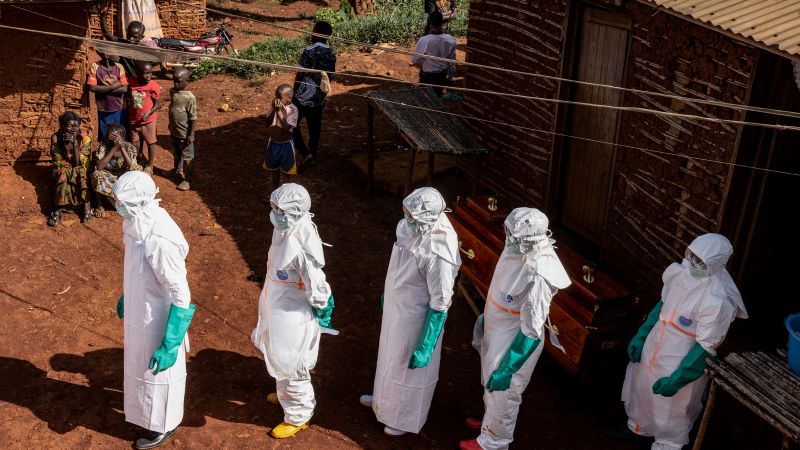
Understanding the Current Ebola Outbreak
5 things to know about the Ebola – Ebola outbreaks have long been sources of alarm, and the recent situation in the Democratic Republic of Congo (DRC) has intensified those fears. The current spread, which has resulted in hundreds of infections and dozens of fatalities, has also reached Uganda, marking one of the most extensive outbreaks documented so far. Experts warn that without swift action, this crisis could rival the 2014-16 West African epidemic, which claimed over 11,000 lives and infected more than 28,000 individuals. Despite the gravity of the situation, the World Health Organization (WHO) has stated that the likelihood of a global pandemic remains low.
The Timeline of the Outbreak
The WHO officially labeled this outbreak a public health emergency of international concern on May 17, following reports of a high-mortality illness in the Ituri Province. However, recent analyses suggest the virus may have been circulating earlier than initially recognized. A remote gold mining town, Mongbwalu, has become a focal point in understanding the outbreak’s origins. The mayor there recounted how the first signs emerged in late February, when a body was removed from a local morgue and a coffin was burned, leading to rapid deaths in the community. At first, officials suspected tuberculosis, but early tests failed to detect the virus due to the focus on the more common Zaire strain.
“In an outbreak, time lost is transmission gained,” remarked the WHO’s regional director for Africa, highlighting the critical need for early detection.
Strains and Detection Challenges
While the initial cases were misattributed to tuberculosis, further investigation revealed the presence of the Bundibugyo strain, which is now driving the outbreak. This strain, though less frequently encountered than Zaire, is highly virulent and poses unique challenges. Health officials are still piecing together the full timeline of how the virus spread before its identification, but the delay in recognizing the outbreak has raised concerns about its potential magnitude. Recent modeling by the CDC suggests that if the disease continues to spread unchecked, the number of cases could surpass previous records within months.
Contagiousness and Transmission Dynamics
Despite its deadly nature, Ebola is not as easily transmitted as measles or even COVID-19. The virus requires a significant viral load in an infected person before it can spread to others. This means that transmission typically occurs during the later stages of illness, when individuals are symptomatic and in close contact with caregivers or healthcare workers. While the disease is less contagious in general, its ability to infect through small amounts of bodily fluids makes it a serious threat in healthcare settings. This has underscored the importance of strict infection control measures and the role of personal protective equipment (PPE) in mitigating risks.
Global Response and Local Struggles
The DRC’s remote location and limited healthcare infrastructure have complicated efforts to contain the outbreak. In many areas, hospitals have been overwhelmed by the influx of patients, and shortages of PPE and medical supplies have hindered proper care. International partners are now accelerating resource deployment, but challenges persist. During a visit to Guinea in 2014, the author witnessed firsthand the difficulties of managing an Ebola crisis in under-resourced regions. Even minor lapses in hygiene, such as small skin breaks near fingernails, can lead to infection, emphasizing the need for meticulous precautions.
Targeting the Outbreak’s Core
One of the most vital strategies in combating Ebola is contact tracing, which identifies individuals exposed to the virus and disrupts chains of transmission. This method, though time-consuming, is essential in controlling the spread. The current outbreak has predominantly affected women aged 20 to 39, a demographic that may be more susceptible due to factors such as close community interactions or occupational risks. While the global community remains vigilant, the focus remains on local containment, as the risk to international populations is still considered minimal.
Experts stress that the success of containment efforts hinges on rapid identification and isolation of cases. If the outbreak continues to expand, the numbers could reach alarming levels. For instance, if 100 or more deaths are confirmed by late May, the CDC’s projections indicate a much higher chance of a significant surge in cases. This underscores the urgency of implementing robust public health measures and ensuring that the outbreak does not escalate further. The lessons from past epidemics, such as the West African crisis, serve as a reminder of the importance of timely intervention and coordination.
Staying Informed and Prepared
As the situation unfolds, continuous monitoring and adaptive strategies will be crucial. The WHO and CDC are working closely to refine their models and provide updated guidance. Meanwhile, the local population in the DRC is adapting to the crisis, with communities taking on roles in identifying and isolating cases. This collaborative effort between international agencies and local stakeholders is key to preventing a larger-scale outbreak. The author’s conversations with CNN’s Clarissa Ward and Dr. Jay Bhattacharya highlight the importance of transparency and public engagement in managing such health emergencies.
Despite the challenges, there is optimism that the outbreak can be contained. The rapid response from global health organizations, combined with improved resources and awareness, offers a glimmer of hope. However, the journey to control Ebola remains fraught with obstacles, and the situation demands sustained vigilance. As the world watches, the focus remains on preventing the spread of the virus and protecting both local and global communities from its devastating impact.