Exclusive: Lebanese president accuses Iran of using his country as a bargaining chip in peace talks with the US

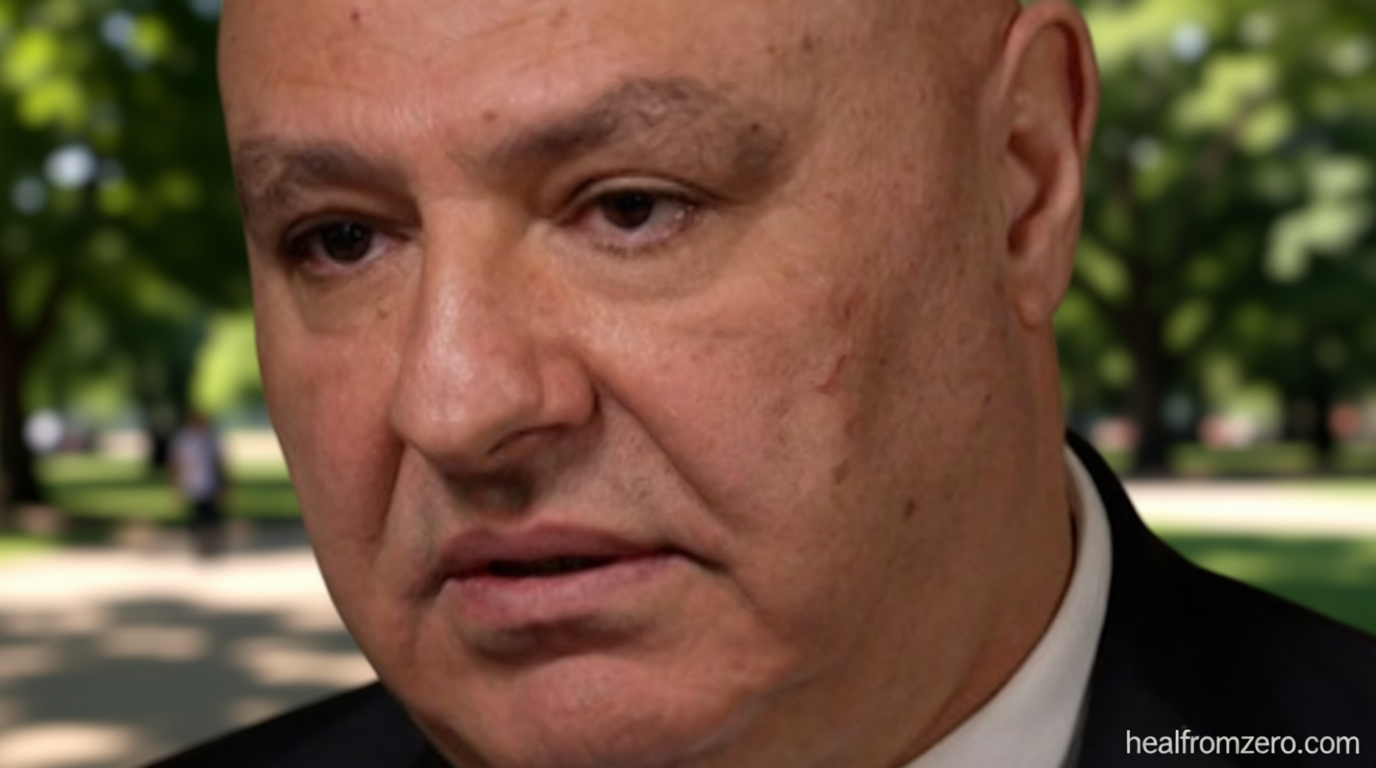
Exclusive: Lebanese President Joseph Aoun Condemns Iran’s Role in Escalating Regional Tensions
Exclusive – On Friday, Lebanese President Joseph Aoun delivered a sharp critique of Iran, claiming the country has been manipulated as a strategic tool in negotiations with the United States. During a rare and exclusive exchange with CNN’s Christiane Amanpour, Aoun emphasized his determination to protect Lebanon from the consequences of the ongoing conflict between Israel and Hezbollah, despite the nation’s growing frustration with the violence. The president stated that the Lebanese people are “tired of war” and demand a lasting peace, expressing concern over the destruction of homes and the loss of life that has become routine in the region.
Aoun’s comments came amid renewed tensions between Iran and the U.S., which had previously reached a ceasefire agreement in April. However, the deal has been complicated by Iran’s insistence that Israel’s withdrawal from Lebanese territory is a prerequisite for any peace settlement. The Lebanese leader argued that Iran is leveraging Lebanon’s strategic position to advance its own interests, disregarding the will of the local population. “It’s not your country, it’s our country,” Aoun told Amanpour, addressing Iran’s Islamic Revolutionary Guard Corps (IRGC), the primary backer of Hezbollah. He accused the IRGC of prioritizing its own goals over the well-being of Lebanon, stating, “You are not trying to help us… the people of Lebanon are paying the price for the sake of your own interest.”
Hezbollah’s Persistent Challenge
Hezbollah, an Iranian-backed militant group, has long been a focal point of regional conflict. Since its establishment in the 1980s, the organization has repeatedly engaged in battles with Israel, often framing itself as a defender of southern Lebanon and the Palestinian cause. This year, the group launched rocket attacks at Israel in response to a coordinated U.S.-Israeli strike that targeted Iran, resulting in the death of Supreme Leader Ayatollah Ali Khamenei and significant losses among his military advisors. The Israeli retaliation has left over 3,500 Lebanese civilians dead and displaced nearly a fifth of the country’s population, according to recent reports.
Aoun stressed that Lebanon’s government is seeking to reduce Hezbollah’s influence by disarming the group, a task made more difficult by the nation’s political fragmentation and foreign interference. “Lebanon is in a fragile state,” he said, highlighting decades of sectarian conflict and external meddling that have weakened the country’s ability to govern effectively. He added that the ongoing war has created a sense of urgency, as the Lebanese people are no longer willing to accept conflict as a常态. “They deserve peace and dignity,” Aoun said, “not to see their homes destroyed every five to ten years.”
Strategic Dilemmas and Diplomatic Moves
Despite Iran’s conditions, the U.S. and Lebanon have pursued direct talks with Israel to establish a ceasefire. Aoun, who is backed by the U.S., has instructed his government to negotiate with Israel—a bold step for a country historically wary of engaging its adversary. “We are ready, we are willing, we are committed,” he declared, addressing both the Israeli government and its people. The president argued that Lebanon and Israel share a unique opportunity to end their hostilities and restore stability. “Both nations have reached their limits with war,” he said, adding, “they must choose: war or diplomacy.”
However, Hezbollah has resisted these efforts, rejecting any disarmament agreement unless Israel withdraws from Lebanese territory. In a recent statement, Hezbollah’s leader, Naim Qassem, called the Lebanon-Israel talks a “betrayal,” insisting that the truce would not gain support unless it included Israeli troop withdrawal. Aoun noted that he has consulted with representatives from various religious communities, including Shiites, who have expressed their disillusionment with Hezbollah’s actions. “They are Lebanese people,” he said, “not Naim Qassem’s people. They are fed up with the war that Hezbollah has imposed on them.”
Aoun also criticized Israel’s military strategy, which has focused on weakening Hezbollah through targeted strikes. He argued that the group cannot be dismantled without the Israeli military withdrawing from Lebanese soil, emphasizing that the conflict is not just about a specific organization but about an enduring idea of resistance. “They can invade the whole country, flatten it, but they will never achieve their objective,” Aoun said, highlighting Hezbollah’s resilience. “It’s not just a group—it’s an ideology that defines Lebanon’s struggle.”
Personal Sacrifices and Political Resolve
Before assuming the presidency, Aoun served eight years as commander of Lebanon’s army, during which he witnessed firsthand the toll of conflict. He described his injuries from battles, including shrapnel lodged in his body and hearing loss from close combat. Despite these challenges, Aoun has remained resolute in his pursuit of peace, often speaking out against the war. “I prefer negotiations over wars,” he said, “because I don’t want my child to grow up in a country torn by violence.”
The president’s recent actions reflect a shift in Lebanon’s political strategy. By engaging directly with Israel, he aims to pressure Hezbollah into relinquishing its military dominance. This approach has drawn both support and skepticism, as some view it as a necessary step toward stability while others fear it could deepen Lebanon’s divisions. Aoun, however, remains focused on uniting his people. “We are fighting for our country’s future,” he said, “not just for our survival.”
As the situation continues to evolve, Aoun’s role as a mediator between the U.S. and Israel has placed him under intense scrutiny. His commitment to peace is tested by the opposing interests of Iran and Israel, both of which have invested heavily in Lebanon’s fate. The president’s statement that “our interests do not coincide with your interests” underscores the complexity of the conflict, where Lebanon is caught between regional powers vying for influence. With the war showing no signs of abating, Aoun’s leadership will be critical in determining whether Lebanon can emerge from the crisis with a renewed sense of unity and purpose.
The Lebanese leader’s resolve is evident in his public criticism of Hezbollah, which he has previously avoided. By directly challenging the group’s leadership, Aoun has signaled his willingness to take bold steps. “Hezbollah is not just an enemy to be defeated,” he said, “it’s an idea that has taken root in our society. We must address it at the grassroots level.” His remarks have sparked debates about the future of Lebanon’s political landscape, with some arguing that disarming Hezbollah could lead to a more stable government, while others worry about the group’s deep domestic support.
In the end, Aoun’s message remains clear: Lebanon’s people want peace, and they are ready to take action to achieve it. As the nation grapples with the consequences of its entanglement in regional conflicts, the president’s leadership is being scrutinized for its ability to balance the demands of external allies with the needs of the Lebanese people. “We are not a pawn in anyone’s game,” Aoun said. “We are the ones who will decide our country’s destiny.”