
Scott Pelley fired by CBS after ‘60 Minutes’ clash with management
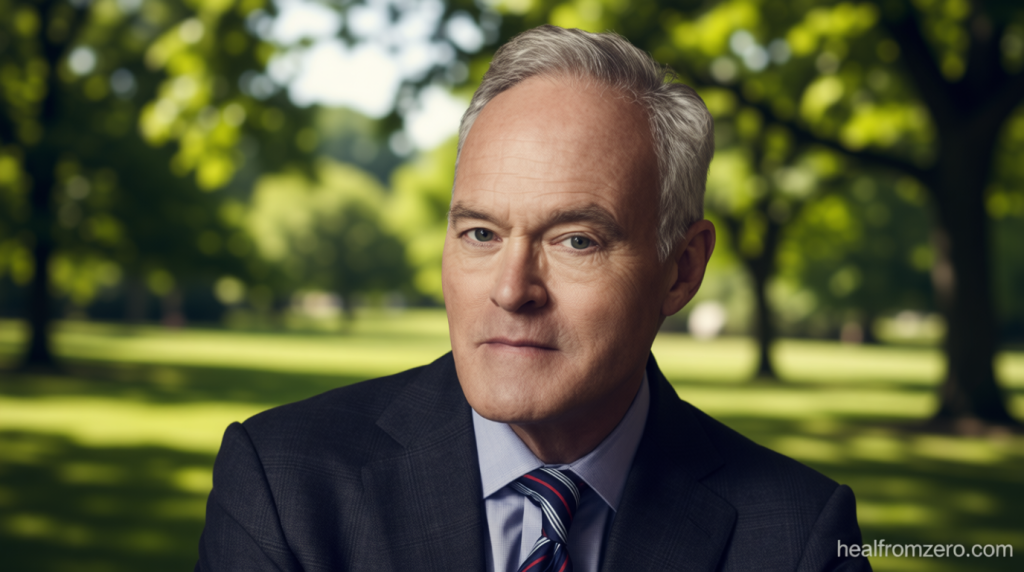
Scott Pelley Firing Sparks Debate Over CBS News Reforms
Scott Pelley fired by CBS after 60 – CBS News made the decision to part ways with Scott Pelley, a long-serving “60 Minutes” correspondent, on Tuesday, following a heated confrontation during a recent staff meeting. The veteran journalist, who has dedicated over three decades to the network, criticized the new leadership’s approach, accusing them of undermining the show’s legacy. This event has intensified discussions about the direction of CBS’s news division under Bari Weiss, the network’s editor in chief, who has been at the center of a controversial restructuring effort.
A Staff Meeting That Turned Into a Showdown
Pelley’s public dissent during Monday’s staff meeting was a pivotal moment. Addressing the team, he sharply criticized Weiss and the newly appointed executive producer, Nick Bilton, who had replaced Tanya Simon. While Weiss was absent from the meeting, Pelley’s remarks were described as a direct challenge to her leadership. He claimed that the network’s management had been “murdering” “60 Minutes,” a phrase that quickly spread to external media and fueled internal tension.
“She does not love this place. She was brought in to kill it, and she’s been doing exactly that,” Pelley asserted during the meeting.
According to Pelley, the meeting was an opportunity to voice his concerns about the show’s future. He argued that the leadership team had no genuine intent to reconcile, despite Weiss’s claims in a Wednesday statement that they had “attempted to engage” with him. “At no point did anyone in the Tuesday meeting suggest that there could be steps taken by either side to resolve the situation,” he later said in a statement to *The New York Times*.
A Pattern of Reforms and Resignations
Last week marked a series of high-profile departures from “60 Minutes.” Correspondents Sharyn Alfonsi and Cecilia Vega, along with executive producer Tanya Simon, were among those let go, prompting questions about the network’s strategy. Weiss, who has been spearheading these changes, defended her approach as necessary to revitalize the news division and adapt it to digital audiences. However, Pelley’s exit adds to the list of senior staff who have expressed frustration with the direction of the show.
“The new owner of our network is casting the legacy of ‘60 Minutes’ aside, apparently to curry a moment of favor with the Trump administration,” Pelley stated in an initial message, hinting at a potential political angle. This claim aligns with critics who argue that Weiss’s leadership reflects a broader alignment with the Trump administration. Following a 2024 lawsuit by former President Donald Trump against CBS over a “60 Minutes” interview with Kamala Harris, the network’s previous management chose to settle the case in 2025 rather than defend it in court. Since then, the new ownership team has actively sought ties with Trump’s administration, raising eyebrows among those who view the overhaul as a strategic move to please political allies.
Conflicting Narratives from Both Sides
Despite the public fallout, CBS leadership presented a different version of events. They emphasized that Weiss and her deputies aimed to modernize the network and attract younger audiences. Bilton, who was hired to lead “60 Minutes” after Simon’s departure, has been credited with bringing a fresh perspective to the show. In a Tuesday evening letter, Bilton cited Pelley’s “antipathy” toward the show’s future as the reason for his termination.
“Your employment with CBS is terminated for cause effective immediately,” Bilton wrote, describing Pelley’s behavior as “a performative display of hostility enacted in remarkable incivility and contempt.”
Pelley, however, dismissed Bilton’s account as misleading. He insisted that the meeting on Tuesday was not a chance to reconcile but a final showdown. “There was no effort of any kind to ‘find a way back,’ as Weiss said in the editorial meeting,” he argued. His supporters view the firing as a necessary stand to protect the show’s integrity, while detractors accuse him of acting as a bully during the confrontation. This divide has left the network in a state of uncertainty, with “60 Minutes” now without its majority of full-time correspondents.
The Ripple Effect on CBS’s News Division
The departure of Pelley has raised concerns about the stability of CBS’s news operations. With key figures like Alfonsi, Vega, and Simon already gone, the network faces the challenge of rebuilding its team and maintaining the show’s reputation. Pelley’s 37-year tenure at CBS is a testament to his dedication, and his sudden exit has left colleagues and fans questioning the decision’s fairness.
“The new owner of our network is casting the legacy of ‘60 Minutes’ aside, apparently to curry a moment of favor with the Trump administration,” Pelley stated in an initial message, suggesting a possible political motive. This sentiment resonates with critics who believe the current leadership is prioritizing alignment with Trump over journalistic standards. The controversy over the 2024 lawsuit, which Trump used to challenge the show’s portrayal of him, has been a recurring point in discussions about CBS’s direction. While legal experts labeled the case as frivolous, the settlement in 2025 may have signaled a shift in the network’s priorities.
Insiders’ Perspectives on the Leadership Conflict
Inside CBS, opinions on Pelley’s firing are divided. Some insiders speculated that Pelley intentionally provoked Weiss, daring her to take the next step. Others argued that his actions were a legitimate response to perceived threats to the show’s identity. This internal debate highlights the complexity of the situation, with supporters framing Pelley as a defender of the network’s legacy and critics seeing him as a disruptive figure.
Weiss, in her Wednesday statement, described the decision as a “necessary step” to move forward with the show’s evolution. She claimed the leadership team had made efforts to bridge the gap with Pelley, but those attempts fell short. Meanwhile, Bilton’s letter to Pelley underscored the tension, framing the correspondent as an obstacle to the network’s future. “You hijacked my first meeting with staff to disparage me, my qualifications, and my intentions with remarkable incivility and contempt,” he wrote.
Broader Implications for CBS and the Media Landscape
As the dust settles, the firing of Pelley has sparked a broader conversation about the role of corporate interests in shaping news content. With Paramount seeking Trump administration approval to acquire Warner Bros. Discovery, including CNN, the network’s alignment with conservative voices has become a focal point. Critics argue that these moves are part of a calculated strategy to reshape the media landscape in favor of political influence, while defenders insist they are about innovation and relevance in an evolving industry.
The situation also reflects the growing divide between traditional journalism and digital-first approaches. Weiss’s decision to bring in Bilton, a former tech reporter with limited TV experience, has been seen by some as a bold move to modernize “60 Minutes.” Others, however, view it as a departure from the show’s long-standing credibility. Pelley’s strong opposition has amplified these debates, positioning him as a symbol of the old guard clashing with the new.
As CBS navigates this transition, the fate of “60 Minutes” remains uncertain. The show, once a flagship of investigative journalism, now faces the challenge of balancing innovation with its core values. Pelley’s departure, while a significant blow, has also highlighted the high stakes involved in the network’s efforts to adapt to a changing media environment. The question remains: Will these reforms strengthen “60 Minutes,” or will they erode its reputation in the process?