Cuba’s doctors are its biggest soft power export. Several Latin American countries are cutting ties

Cuba’s Doctors as Soft Power Export Face Latin American Backlash
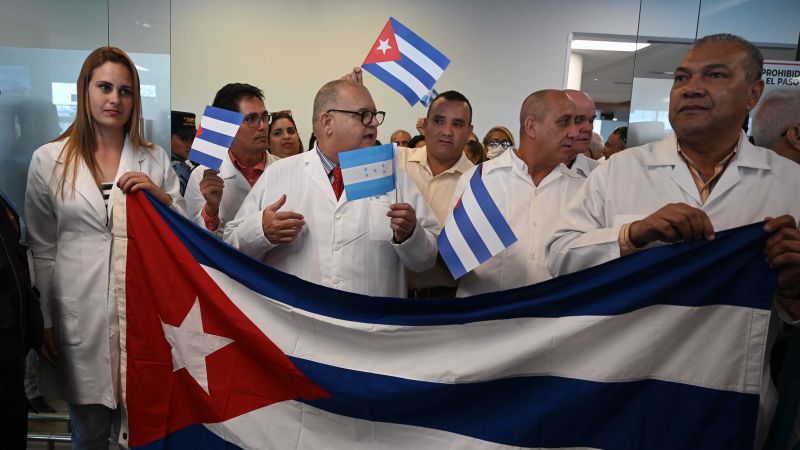
Cuba s doctors are its biggest soft power export, yet growing tensions in Latin America are reshaping their global influence. The Cuban medical missions, once celebrated for bridging healthcare gaps in underserved regions, now face mounting scrutiny as several countries in the region reconsider their partnerships. In Honduras, the decision to end ties with Mission Miracle—a program that has long provided critical medical services—marks a turning point in the region’s relationship with Havana. President Nasry “Tito” Asfura, a conservative leader backed by former U.S. President Donald Trump, accused the initiative of operating beyond local regulations, sparking a broader reevaluation of Cuba’s role in regional health diplomacy.
Shifting Alliances and Rising Concerns
While Honduras has emerged as a key player in cutting ties, it is not the only nation to question the Cuban model. Jamaica, Guyana, Guatemala, and even Venezuela—formerly a strong ally—have either terminated or are negotiating the end of their medical agreements. These programs have historically been a cornerstone of Cuban foreign policy, offering specialized care where infrastructure is lacking. However, concerns over political influence and labor practices have led countries to reassess their commitments. Critics argue that the missions are a tool for exerting control, while supporters highlight their vital role in saving lives.
“Most of the people here wouldn’t be able to pay for that,” said Hector Zelaya, a resident of Catacamas, reflecting on the financial relief provided by the Cuban clinic. For many rural patients, the clinic was the only public option for eye surgery in the province, offering an affordable alternative to private facilities.
Cuba’s Mission Miracle has long symbolized its strategy of medical diplomacy, sending thousands of healthcare professionals to countries across Latin America and beyond. Yet, the U.S. government has consistently criticized the program as a means of exploiting Cuban labor. Recent reports from the Inter-American Commission on Human Rights have amplified these concerns, noting that medical staff often work under restrictive conditions, including limited autonomy and mandatory political alignment. Despite these criticisms, the missions continue to provide essential services, particularly in regions with strained healthcare systems.
Global Impact and Local Challenges
The decline in Latin American support has broader implications for Cuba’s international standing. As countries reduce their reliance on Cuban medical aid, the nation’s ability to project soft power through healthcare is tested. In Honduras, where average wages are low, the absence of these missions has left rural communities with fewer options for specialized care. Zelaya’s family, for instance, had to cover the $2,250 cost of his surgery at a private clinic, a burden many cannot afford. This financial strain underscores the critical role that Cuban medical missions have played in improving access to healthcare in the region.
“We will promote accountability for the Cuban regime for oppressing its people and those who profit from forced labor,” said Secretary of State Marco Rubio, whose family emigrated from Cuba. His remarks highlight the U.S. stance that Cuba’s medical programs are a form of political coercion, deepening the divide between Havana and its regional partners.
Despite the backlash, Cuba maintains that its medical missions are a voluntary effort to enhance global health. Cuban doctors stationed abroad emphasize their commitment to service, noting that the programs are designed to foster mutual aid rather than domination. However, the growing number of countries distancing themselves from Havana raises questions about the sustainability of Cuba’s soft power strategy. As nations prioritize sovereignty and local control, the future of these missions remains uncertain, signaling a significant shift in the geopolitical landscape of Latin American healthcare.