Roland Garros to fine Paraguayan player after sexist remark about chair umpire

Roland Garros Fines Paraguayan Player Over Sexist Umpire Remark
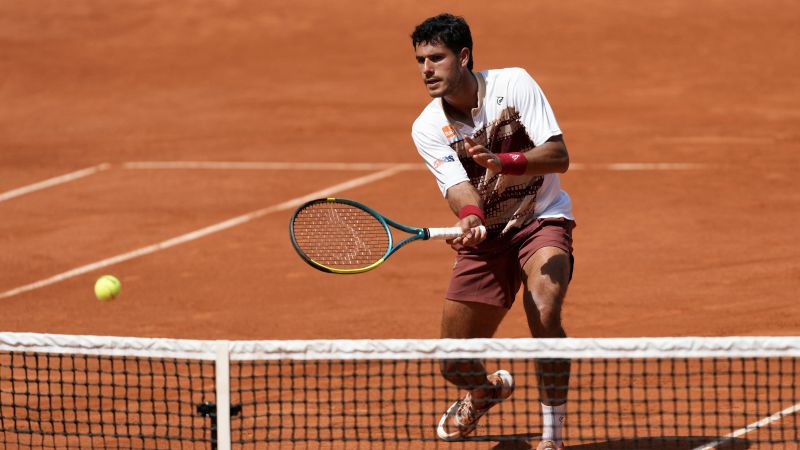
Roland Garros to fine Paraguayan player – The Roland Garros tournament has imposed a penalty on Paraguayan tennis player Adolfo Daniel Vallejo following a controversial comment he made during his second-round match against Moise Kouame. This decision, announced on Friday, marks a significant step in promoting gender equality in tennis. The French Open, known for its historic traditions, is now taking a stronger stance against remarks that undermine the professionalism of female officials. The fine comes after Vallejo expressed frustration with the chair umpire, suggesting that male officiants are better suited to handle the intensity of a high-stakes match.
Vallejo’s Controversial Statement
Vallejo, who lost to Kouame in a five-set thriller, made his remarks during a post-match interview with Clay Magazine. “Matches like this require a male referee, as it’s a very demanding crowd and you need strength to match it,” he said. Vallejo’s comments sparked immediate backlash, with critics calling them sexist and outdated. The tournament organizers described his remarks as “unacceptable,” emphasizing that the gender of an umpire should not influence perceptions of their competence. Despite the fine, Vallejo defended his stance, stating that the remarks were a personal opinion rather than a direct attack on the umpire’s ability.
“The crowd was very out of line, but I understand they’re supporting their compatriot,” Vallejo added. “It’s quite an intense crowd, and that’s why I was prepared.”
Crowd Influence and Tournament Response
Vallejo’s comments highlighted the pressure of playing in front of a passionate home crowd. He argued that the fervor of Parisian spectators during the match made it challenging for the female umpire to maintain control. However, the Roland Garros organizers took a firm position, stating that “the competence of an umpire is not determined by gender, but by their professionalism.” The fine, which is part of the tournament’s broader commitment to equality, aims to set a precedent for respectful conduct in competitive environments. This incident has reignited discussions about gender bias in sports and the role of officiating in high-pressure scenarios.
“The outcome of a match, whether positive or negative, can never justify sexist remarks,” said a Roland Garros spokesperson. “We must ensure that all players uphold the values of respect and fairness.”
Broader Implications for Tennis
The Roland Garros fine on Paraguayan player Vallejo has drawn attention to the importance of addressing gender stereotypes in sports. While his comments were directed at the umpire, they underscore a common perception that male officials are better equipped to manage intense fan environments. This has led to calls for more inclusive policies and greater awareness of unconscious bias. The tournament’s response signals a shift toward accountability, with organizers pledging to monitor similar incidents in future matches. Vallejo’s manager defended the player’s perspective, noting that his remarks were rooted in personal experience rather than prejudice.
In the aftermath of the fine, some players and fans have expressed support for Vallejo, arguing that his comments reflect the realities of competitive pressure. Others, however, see it as a necessary step to foster a more equitable environment. As the French Open continues, the incident serves as a reminder of the delicate balance between athlete expression and the promotion of inclusive values in sports.
Jannik Sinner’s Defeat Adds to the Drama
While Vallejo’s remarks dominated the headlines, the Roland Garros tournament also saw a notable upset. World No. 1 Jannik Sinner, who had previously maintained a 30-match winning streak, was defeated by 17-year-old Juan Manuel Cerundolo in the second round. This loss, attributed by analysts to the scorching temperatures and physical demands of the match, highlights the unpredictable nature of high-level competition. The Roland Garros fine on Paraguayan player Vallejo, meanwhile, underscores the tournament’s proactive approach to addressing issues of gender bias and respect.
Vallejo’s comments and Sinner’s unexpected defeat have created a narrative around the challenges athletes face in elite tournaments. The Roland Garros fine on Paraguayan player Vallejo, in particular, has been framed as a symbolic gesture toward modernizing sportsmanship. As the tournament progresses, both incidents are likely to shape conversations about performance, pressure, and the role of gender in officiating and player behavior.