What’s in the proposed deal that could end the US-Iran conflict?

What’s in the proposed deal that could end the US-Iran conflict?
Progress Toward a Lasting Settlement
What s in the proposed deal – Amid escalating tensions, Iran and the United States are nearing a potential agreement to transform the current ceasefire into a sustainable resolution. Both nations have expressed optimism about finalizing a framework that outlines a path for addressing lingering disputes, though U.S. Secretary of State Macro Rubio emphasized that the deal remains “still in the works.” During a recent visit to India, Rubio stated that the memorandum of understanding being discussed would serve as a blueprint for resolving conflicts, but the process has not yet reached completion.
“We’re either going to have a good agreement or we’re going to have to deal with it another way,” Rubio said during his visit to India on Monday.
The proposed agreement, if finalized, would mark a pivotal moment in the U.S.-Iran standoff, which has seen weeks of intense military activity. For the United States, the deal could offer relief as President Donald Trump faces crucial midterm elections later this year. Higher gasoline prices and a strained Iranian economy have added urgency to the negotiations, with both sides hoping to secure a favorable outcome before the political landscape shifts.
The Strait of Hormuz: A Central Concern
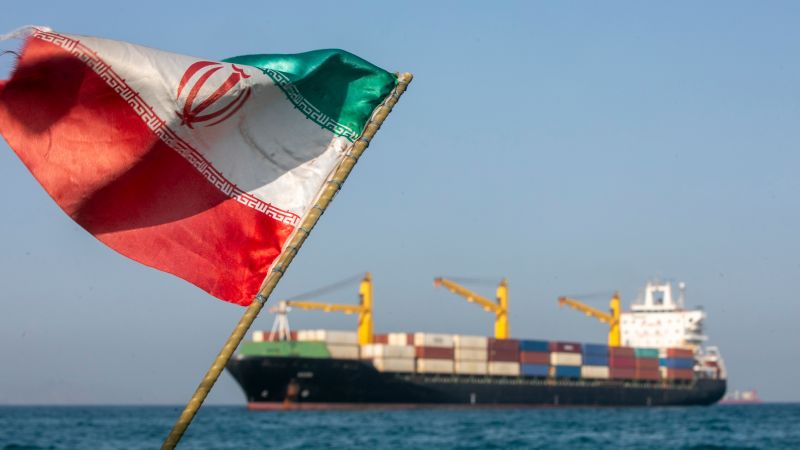
The opening of the Strait of Hormuz is a cornerstone of the proposed agreement. This vital waterway, through which approximately 20% of the world’s oil supply passes, has been a focal point of Iran’s strategic goals and a source of U.S. military operations. According to Rubio, the memorandum would initiate a phased approach to restoring normal shipping operations, with a 60-day window for finalizing key deal points.
“There’s a pretty solid thing on the table in terms of opening up the strait and in Iran entering into a real significant time-limited negotiation on nuclear matters,” Rubio noted.
However, Iranian officials and state media have provided conflicting interpretations of the agreement’s scope. Foreign Ministry spokesman Esmail Baghaei asserted that while “understandings on a large portion of the issues under discussion” have been achieved, declaring an agreement is premature. “To say this means an agreement is about to be signed—no one can make such a claim,” he stated Monday.
Iran’s position on the Strait of Hormuz has evolved slightly. Initially, the nation had demanded full control over the waterway, but recent statements suggest a willingness to allow commercial traffic to return to pre-war levels over a 30-day period. Baghaei clarified that Iran’s focus is on providing navigation services and implementing environmental safeguards, rather than imposing tolls on passing vessels. This shift signals a balance between cooperation and maintaining strategic influence.
Nuclear Ambitions and Verification Measures
A significant component of the deal involves Iran’s nuclear program. The memorandum would require Iran to commit to not developing nuclear weapons and to reduce its stockpile of highly enriched uranium, often referred to by Trump as “nuclear dust.” The U.S. administration has framed this as a critical step toward preventing Iran from acquiring the means to build a bomb, a concern that has driven much of the current diplomatic push.
“The important part of how this is structured is, if Iran doesn’t perform, they don’t get anything. No dust? No dollars. As the Strait opens, the blockade loosens proportionately,” said a senior administration official.
The disposal of Iran’s enriched uranium stockpile will be addressed in the next phase of talks, according to the official. This approach aligns with the administration’s “trust but verify” strategy, which emphasizes accountability and measurable outcomes. Critics argue that the agreement’s success hinges on Iran’s willingness to comply with these terms, with the U.S. prepared to enforce them if necessary.
Political Motivations and Strategic Considerations
Trump’s insistence on a robust agreement reflects broader political motivations. The president has framed the deal as a way to avoid repeating the perceived shortcomings of the Obama-era accord, which he claims gave Iran “a clear and open path to a Nuclear Weapon.” In a post on Truth Social on Sunday, Trump reiterated his stance, stating that the U.S. would not rush into a pact until it is “certified and signed.”
“If I make a deal with Iran, it will be a good and proper one, not like the one made by Obama,” Trump wrote, highlighting his dissatisfaction with past agreements.
Iran, meanwhile, has maintained that management of the Strait of Hormuz should not be solely dictated by the United States. Instead, the country has proposed coordination with Oman to create a neutral mechanism for ensuring safe passage. This aligns with Iran’s desire to position itself as a key player in the region rather than a passive participant in U.S.-led negotiations.
The blockade on Iranian ports remains a contentious issue. While the memorandum includes provisions for gradually reopening the Strait of Hormuz, Trump has made it clear that the full U.S. sanctions regime will stay in place until a final agreement is reached. This leaves room for ambiguity, as the U.S. could unilaterally impose restrictions while waiting for Iran’s compliance.
Challenges and Uncertainties
Despite the progress, the proposed deal faces several hurdles. One major point of contention is the timeline for implementing key provisions. The 60-day period outlined in the framework agreement is intended to allow for detailed negotiations, but both sides have shown a preference for speed. Iranian media, including outlets linked to the hardline Islamic Revolutionary Guard Corps (IRGC), have reported that the strait would remain under Iranian supervision, raising questions about the extent of U.S. influence.
Additionally, the role of verification mechanisms is critical. The U.S. administration has emphasized that Iran must demonstrate its commitment to nuclear restraint through tangible actions, such as reducing enrichment activities and surrendering enriched uranium stockpiles. However, Iran has not yet fully committed to these terms, leaving room for future negotiations.
The potential agreement also hinges on broader geopolitical factors. With the U.S. election cycle approaching, Trump’s administration is under pressure to deliver a visible diplomatic victory. Meanwhile, Iran’s economic struggles and internal political dynamics could shape its willingness to compromise. The success of the deal will depend on whether both sides can align their strategic objectives with the practical realities of implementation.
A Fragile Path to Resolution
As the U.S. and Iran move closer to a deal, the stakes have never been higher. The memorandum of understanding represents a temporary truce, but its long-term success will require sustained cooperation and mutual trust. For now, the agreement remains a work in progress, with both nations navigating complex negotiations to find common ground.
The proposed settlement could set a precedent for future diplomatic efforts, but its details—particularly the balance of power over the Strait of Hormuz and the nuclear program—will determine its effectiveness. While the immediate goal is to end hostilities, the broader implications of the deal extend to regional stability, international trade, and the global nuclear non-proliferation framework.
With the political climate in flux and the situation in the Strait of Hormuz remaining a focal point, the U.S.-Iran deal appears to be a fragile yet promising step toward peace. Whether it will be enough to mend the rift between the two nations depends on how well the roadmap is executed and the willingness of both sides to honor their commitments. As the 60-day negotiation period unfolds, the world will be watching closely to see if this proposal can truly mark the beginning of a lasting resolution.