A second Ebola treatment center is set ablaze in eastern DR Congo, with 18 suspected cases fleeing

A second Ebola treatment center is set ablaze in eastern DR Congo, with 18 suspected cases fleeing
A second Ebola treatment center is set – In the eastern region of the Democratic Republic of Congo (DRC), tensions escalated as residents of a town at the heart of the ongoing Ebola outbreak attacked and set fire to a health center tent, according to staff members. This marked the second incident of its kind in the area within a week, intensifying fears of the virus spreading beyond the facility. Although no injuries were reported during the attack, the chaos caused by the flames led to the escape of 18 individuals suspected of carrying the virus, according to a local hospital director. The situation highlights the growing strain between health workers and the local population, as outbreaks continue to challenge containment efforts.
Residents Flee as Treatment Center Burns
The incident occurred in the town of Mongbwalu, where residents stormed the clinic and ignited the tent housing suspected Ebola patients. Dr. Richard Lokudi, the hospital director, told The Associated Press that the act of burning the facility caused significant panic among staff and allowed the 18 infected individuals to disappear into the community. “We strongly condemn this act, as it caused panic among the staff and also resulted in the escape of 18 suspected cases into the community,” he said. The attack came after residents arrived at the clinic on Friday night and took matters into their own hands, targeting the tent used by Doctors Without Borders for treating suspected and confirmed cases.
Community Resistance Sparks Outbreak Concerns
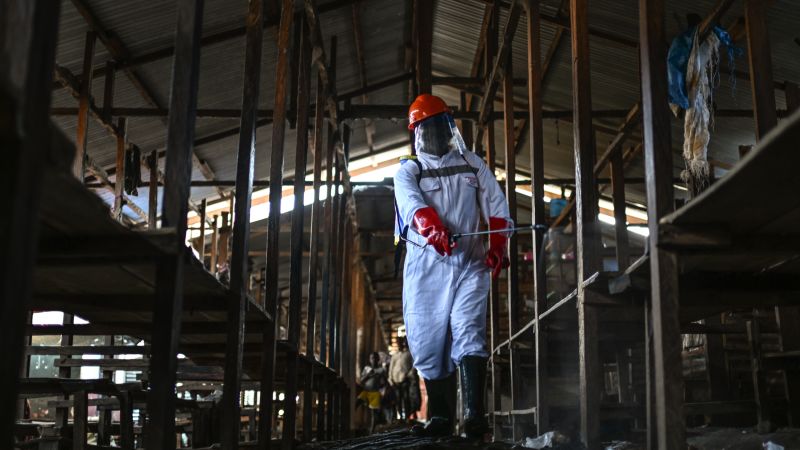
Similar unrest erupted in Rwampara, where another treatment center was burned down. The incident followed a ban on family members retrieving the body of a man suspected to have died from Ebola. The bodies of those who succumb to the virus remain highly contagious, especially during burial preparations and funeral gatherings. This has prompted authorities to implement strict protocols, but such measures often provoke protests from local families. On Saturday, a communal burial in Rwampara took place under tight security, with armed soldiers and police overseeing the event. Red Cross workers in white protective suits handled the sealed coffins, while family members observed from a distance, reflecting the deepening divide between health workers and the community.
David Basima, a team leader with the International Federation of Red Cross and Red Crescent Societies, described the challenges faced during the burial. “We experienced a lot of difficulties, including resistance from young people and the community,” he said. The Red Cross team had to rely on the authorities for safety, as tensions reached a critical point. This situation underscores the ongoing struggle to balance public health measures with cultural practices, a key factor in the virus’s transmission.
WHO Warns of Increased Risk in DRC
Amid these incidents, the World Health Organization (WHO) raised its risk assessment for the DRC, classifying the outbreak as “very high” rather than “high.” Despite this, the agency maintains that the global spread of the disease remains unlikely. WHO Director-General Tedros Adhanom Ghebreyesus stated on Friday that 82 confirmed cases and seven deaths have been reported, though the outbreak is believed to be much larger. This update comes as surveillance efforts expand, leading to an increase in suspected cases and deaths.
The outbreak involves the Bundibugyo virus, a rare strain of Ebola that spread undetected for weeks in DR Congo’s Ituri province after the first known death. Authorities initially tested for the more common Ebola virus and came up negative, delaying the recognition of the outbreak. Now, there are 750 suspected cases and 177 suspected deaths, with more expected as testing becomes more widespread. This delayed detection has allowed the virus to gain ground in the region.
Humanitarian Volunteers Face Mortality Risk
The International Federation of Red Cross and Red Crescent Societies reported that three of its volunteers died from the outbreak in Mongbwalu. The agency believes the volunteers contracted the virus on March 27 while handling dead bodies as part of a humanitarian mission unrelated to Ebola. If confirmed, this would shift the timeline of the outbreak back by several weeks, pushing it further from the initial confirmed death in late April in Bunia, the capital of Ituri. The deaths of these volunteers highlight the risks faced by healthcare workers in the field, even as they strive to contain the virus.
Building Trust is Key to Containment
Dr. Jean Kaseya, director-general of the Africa Centers for Disease Control and Prevention, emphasized the importance of community trust in the fight against the outbreak. “A response to the outbreak must include building trust with communities,” he said, underscoring the need for collaboration between health workers and local populations. This sentiment aligns with the experiences of teams on the ground, who have encountered resistance and skepticism from residents who fear the virus’s impact on their traditions and livelihoods.
The repeated attacks on treatment centers and the challenges faced during burials suggest that community resistance is a significant obstacle to effective containment. Residents, often fueled by fear and misinformation, have taken direct action to express their concerns, targeting facilities and protocols they perceive as threats. The WHO’s warning of a “very high” risk in the DRC serves as a stark reminder of the virus’s potential to escalate further if these tensions are not addressed. While the global risk remains low, the situation in the region demands urgent attention to prevent a larger crisis.
Global Response and Local Impact
As the DRC grapples with the outbreak, international organizations continue to play a vital role in supporting local efforts. The Red Cross and Doctors Without Borders have been at the forefront, providing care and resources to affected communities. However, their work is complicated by the need to navigate cultural norms and ensure compliance with safety protocols. The recent attacks on treatment centers have forced these groups to adapt their strategies, relying more heavily on security forces to protect their facilities and staff.
The outbreak has also drawn scrutiny from the public, with some questioning the effectiveness of current measures. The WHO’s updated risk assessment has intensified the focus on the DRC, but the agency has not revised its stance on the virus’s global reach. Tedros Adhanom Ghebreyesus noted that while the situation is critical, the likelihood of the disease spreading internationally remains minimal. This reassurance aims to alleviate fears but does little to ease the pressure on local communities struggling to contain the virus.
With the outbreak now affecting over 750 people, the challenge of maintaining control grows more complex. Health workers must not only treat the virus but also address the underlying tensions that drive community resistance. This requires a multifaceted approach that combines medical intervention with cultural sensitivity and communication. As the DRC continues to face these hurdles, the international community remains vigilant, ready to support efforts to curb the spread of the disease.