
WHO chief raises alarm over scale of Ebola outbreak after death toll climbs
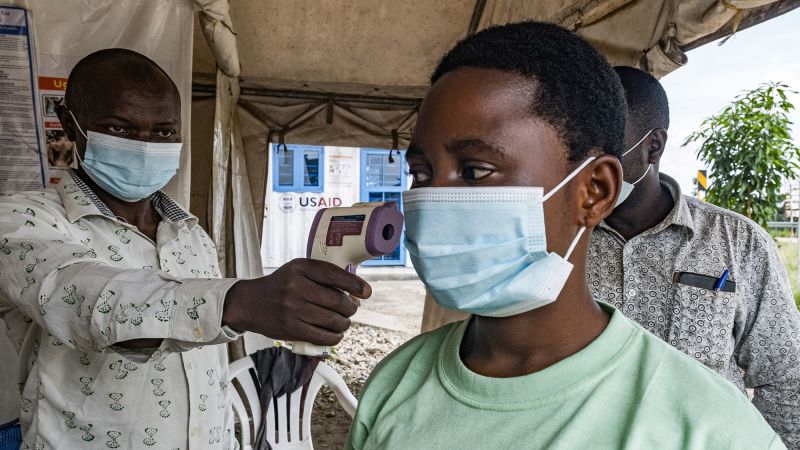
WHO Chief Expresses Alarm Over Escalating Ebola Crisis in DRC and Uganda
WHO chief raises alarm over scale – On Tuesday, the head of the World Health Organization, Dr. Tedros Adhanom Ghebreyesus, issued a stark warning regarding the escalating Ebola outbreak in the Democratic Republic of Congo (DRC) and Uganda. He emphasized his growing apprehension about both the magnitude and the rapid spread of the epidemic, which has prompted questions about the effectiveness of the response efforts. As the situation worsens, the WHO is now closely monitoring the outbreak, which has already claimed 131 lives, according to reports from the DRC’s health minister, Dr. Samuel Roger Kamba. More than 500 suspected cases have been identified, with 30 confirmed within the northeastern Ituri province of DRC alone. Meanwhile, Uganda reported two lab-confirmed cases in its capital, Kampala, as per the WHO’s latest update.
Outbreak Dynamics and Regional Spread
The current outbreak is attributed to the Bundibugyo virus, one of several Orthoebolaviruses capable of causing Ebola disease. Dr. Ghebreyesus highlighted that the virus is primarily circulating in the remote northeastern Ituri province of the DRC, a region known for its challenging terrain and limited healthcare infrastructure. The DRC has a history of managing Ebola outbreaks, yet the speed at which this one is spreading has raised new concerns. With the death toll rising, officials are scrambling to contain the virus before it becomes a more widespread threat.
The spread of the disease has not been confined to the DRC. Neighboring Uganda, which shares a border with the country, has also seen cases, though no local transmission has been confirmed within the nation. The Uganda Tourism Board clarified that the two cases in Kampala involve Congolese nationals who traveled from the DRC. This information aims to reassure travelers about the safety of visiting Uganda, despite the presence of the virus in the region.
International Response and Travel Warnings
As the epidemic gains momentum, the United States has taken decisive action by invoking a public health law to restrict entry from the affected area. This move comes after a U.S. citizen tested positive for the Bundibugyo strain in the DRC. The Africa Centres for Disease Control and Prevention (Africa CDC) criticized the travel ban, arguing that it could hinder economic activities and disrupt the daily lives of people in the region. However, the U.S. State Department has since issued a warning to American citizens, advising against all travel to the DRC, South Sudan, and Uganda, while urging reconsideration of trips to Rwanda due to the regional outbreak.
The rapid response from international bodies is a testament to the severity of the situation. The UN health agency, on Sunday, declared the outbreak a “public health emergency of international concern,” citing the alarming positivity rate and the surge in cases and fatalities. This declaration underscores the global urgency to address the crisis. Dr. Ghebreyesus noted that the decision to classify the epidemic as an emergency was made swiftly, emphasizing the importance of acting before the situation spirals further out of control.
Timeline of the Outbreak and Expert Concerns
The first known suspected case emerged in early April, when a health worker began exhibiting symptoms on April 24, according to the WHO. The individual later succumbed to the illness at a medical center in Bunia, the capital of Ituri province. On May 5, the WHO received an alert about an “unknown illness” with a high mortality rate in the province. Following an investigation by a rapid response team on May 13, the outbreak was officially confirmed as the Bundibugyo virus on May 15. This timeline highlights the delayed detection of the virus, which experts argue could have been addressed more promptly.
Jeremy Konyndyk, a former leader in the U.S. Agency for International Development’s (USAID) efforts to combat health emergencies, expressed alarm over the missed opportunities for early intervention. He stated that multiple “generations of transmission” likely went unnoticed, compounding the challenge of controlling the outbreak. Dr. Ghebreyesus echoed this sentiment, stating that the lack of timely identification and tracking of initial cases is a critical issue. “This is the first time a director-general has declared an emergency of this kind before convening an emergency committee,” he added on Tuesday. The decision, he said, was not made lightly, reflecting the gravity of the situation.
Challenges in Containing the Virus
Despite the WHO’s efforts, the outbreak’s progression has been swift, raising concerns about the preparedness of local and international health systems. Dr. Ghebreyesus called for immediate action to prevent the virus from spreading further. “The scale and speed of this outbreak are unprecedented,” he remarked, stressing the need for a coordinated global response. The Bundibugyo virus, while less common than the Zaire strain, is equally deadly and can cause severe illness in those infected. Unlike other Ebola strains, there are currently no approved treatments or vaccines specifically targeting the Bundibugyo virus, leaving affected individuals reliant on supportive care and experimental therapies.
Dr. Craig Spencer, who survived the Ebola virus in 2014, provided a sobering perspective on the current situation. “I’ve been saying the most concerning thing to me has been how much we learned, how quickly we learned it,” he told CNN on Monday. His words underscore the duality of the outbreak: while medical advancements have improved understanding of the virus, the speed of its spread has outpaced containment measures. “There’s no doubt that this is probably much worse than what we think right now,” Spencer warned. “I suspect the true case total is much higher than what’s being reported.” This assessment aligns with the WHO’s concern that the reported numbers may only reflect the tip of the iceberg, with many cases possibly going unrecorded due to limited testing capacity and logistical challenges in remote areas.
Global Health Implications
The declaration of a global health emergency has intensified the focus on the DRC and Uganda, with both countries now at the center of international efforts to curb the outbreak. The Africa CDC has been actively involved in coordinating regional responses, highlighting the importance of cross-border collaboration in combating infectious diseases. However, the delay in identifying the outbreak has sparked debates about the effectiveness of existing health protocols and the need for improved surveillance systems.
As the situation evolves, the impact on communities continues to grow. Health workers in Ituri province face immense pressure, working in conditions that are often hazardous due to the virus’s rapid transmission and the region’s limited resources. The outbreak has also disrupted local economies, with businesses and transportation networks affected by the heightened health precautions. The WHO’s call for urgency is a reminder that the fight against Ebola requires not only medical expertise but also sustained public engagement and international support.
With the global health emergency now in effect, the spotlight has shifted to the DRC and Uganda as critical zones for intervention. The challenge lies in balancing the need for strict measures with the imperative to maintain economic and social stability. As the outbreak continues to unfold, the world watches closely, hoping that the response will be as swift as the virus’s spread. The words of Dr. Ghebreyesus and Dr. Spencer serve as a stark reminder of the stakes involved, urging all stakeholders to prioritize action and vigilance in the face of an evolving crisis.