
NTSB probes why a UPS jet lost an engine and crashed on takeoff
NTSB Investigates UPS Jet Engine Failure That Led to Takeoff Crash
NTSB probes why a UPS jet lost – The National Transportation Safety Board (NTSB) held a two-day hearing on Tuesday to scrutinize the cause of a UPS McDonnell Douglas MD-11F jet’s engine failure and subsequent crash that occurred last year from Louisville, Kentucky. This event marks a critical step in uncovering the sequence of events leading to the tragedy, which resulted in 14 fatalities and 23 injuries. The hearing, which is expected to last 10 hours, will involve testimonies from various stakeholders, including UPS representatives, FAA officials, Boeing engineers, and the pilot’s union.
Accident Overview and Immediate Impact
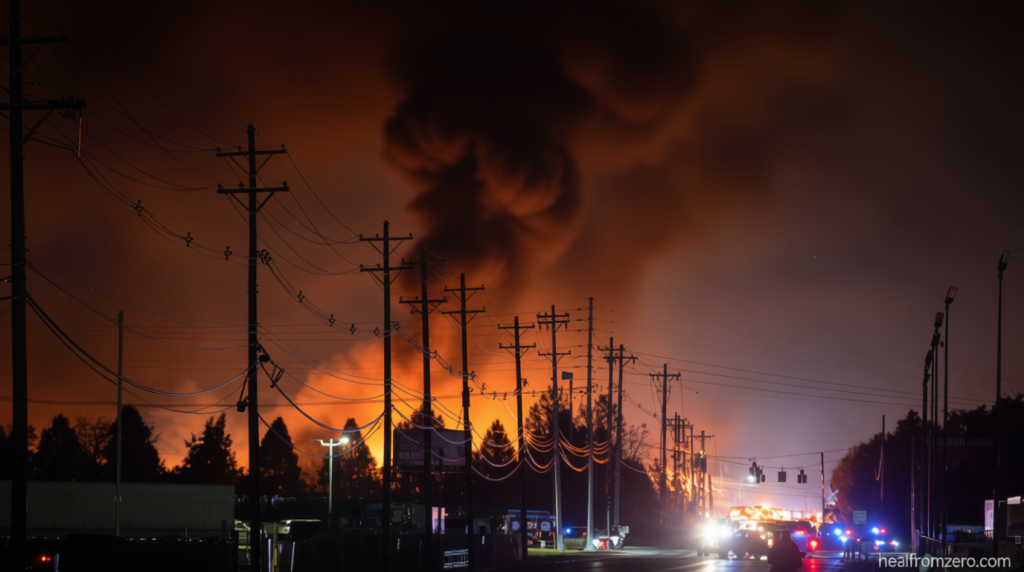
On November 4, UPS flight 2976, a cargo aircraft destined for Hawaii, met its fate moments after liftoff from Louisville Muhammad Ali International Airport. The plane’s abrupt descent left a trail of fire and dark smoke, with debris scattering across half a mile of the runway. The crash not only claimed the lives of the three crew members onboard but also injured 23 individuals on the ground. This incident has raised significant concerns about the safety of the MD-11F fleet, prompting the NTSB to conduct a thorough examination of the circumstances surrounding the disaster.
“We issue safety recommendations … they are to be taken seriously,” said Jennifer Homendy, chairwoman of the NTSB. “Those recommendations are aimed, they’re comprehensive, they’re extensive, and they’re aimed at preventing another tragedy. If they’re not implemented … we will be here again.”
Homendy’s remarks were directed at the families of the victims who gathered in the NTSB boardroom to witness the proceedings. She emphasized that the emotional toll of such accidents extends beyond the immediate loss of life, highlighting how psychological and emotional trauma can deeply affect individuals and communities. “This accident, just like others, undoubtedly caused invisible injuries that aren’t reflected in the numbers we provide,” she added, underscoring the need for comprehensive safety measures.
Technical Analysis and Root Causes
The NTSB has identified structural fittings as a key factor in the crash. These components, which secure the left jet engine to the wing, were found to have fractured, according to the agency’s preliminary findings. During Tuesday’s hearing, the board showcased an animation illustrating the design of the engine-to-wing connection and the moment of its failure. The visual demonstration revealed signs of fatigue cracking and over-stressing in the lugs—the mechanical parts responsible for the engine’s attachment.
Investigators also reviewed footage from airport security cameras, which captured the engine detaching and soaring over the wing before plummeting onto the runway. The plane, at the time, had only gained about 30 feet of altitude before crashing into a warehouse, storage yard, and petroleum recycling facility. This sequence of events has led to questions about the effectiveness of maintenance protocols and the communication of anomalies during inspections.
Fleet Safety and Regulatory Response
Following the crash, UPS immediately grounded its MD-11F aircraft, and the FAA took similar action, halting all MD-11 operations in the U.S. until thorough inspections were completed. The FAA’s decision to clear the aircraft for service came just days after the incident, with Boeing providing inspection and repair guidelines. The agency’s statement indicated that “after extensive review, the FAA approved Boeing’s protocol for safely returning MD-11 airplanes to service,” a process that involves evaluating structural integrity and addressing potential weaknesses.
Boeing, the manufacturer, has maintained its role in the MD-11’s maintenance and safety protocols since acquiring McDonnell Douglas. A company spokesperson noted that “Boeing continues to provide technical support and guidance to help them meet FAA requirements,” which has been crucial in navigating the complexities of the investigation. However, UPS has announced its intention to retire the MD-11F fleet permanently, citing the need for long-term safety improvements.
Pre-Crash Context and Maintenance History
NTSB documents reveal that the original plan for the flight involved a different aircraft. A fuel leak was detected during a routine pre-flight inspection, prompting the maintenance team to address the issue. The replacement plane, which was assigned to the crew, had been out of service for six weeks in San Antonio, Texas, for overhaul work. Despite this, the aircraft resumed operations less than a month before the crash, raising questions about the adequacy of maintenance checks and the reporting of anomalies.
The investigation will also delve into the processes by which maintenance anomalies are communicated within UPS. This includes examining the protocols for reporting issues discovered during routine inspections and the steps taken to ensure that all relevant information is shared with the FAA and Boeing. The cockpit voice recorder and flight data recorder will be analyzed to determine the pilots’ actions and responses during the troubled flight, providing critical insights into the timeline of events leading to the engine failure.
Broader Implications and Future Steps
The crash has had ripple effects beyond UPS, as FedEx and Western Global Airlines also operate the MD-11F model. While UPS has opted to retire its fleet, FedEx has already begun resuming flights with aircraft that have undergone repairs and inspections. This divergence in approach highlights the varying degrees of confidence different carriers have in the safety of the MD-11F following the incident.
As the hearings progress, the NTSB aims to compile a detailed account of the crash’s causes, which will be shared with the public. The findings are expected to influence future safety regulations and guide the decisions of airlines using similar aircraft. The agency’s thorough examination of the event underscores its commitment to preventing further tragedies by addressing systemic issues in fleet management and maintenance practices.