
Edna Lewis built the future of American dining on Black country tradition
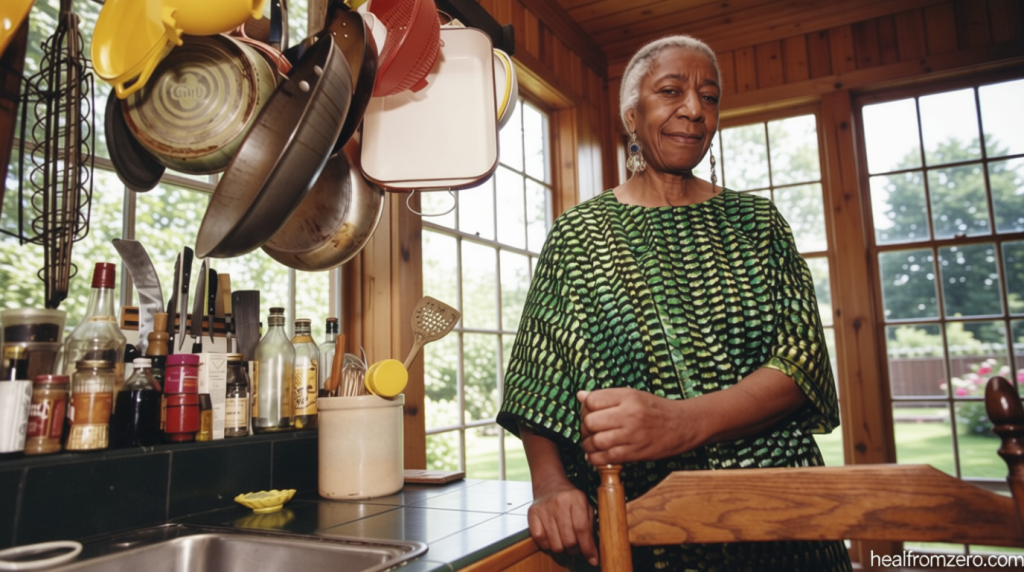
Edna Lewis built the future of American dining on Black country tradition
Edna Lewis built the future of American – Edna Lewis’s 1976 cookbook, The Taste of Country Cooking, emerged as a groundbreaking work that reshaped American food culture. Though its pages are filled with recipes, the book’s first chapter begins not with a dish but with a vivid depiction of a moment in time—a spring morning in Virginia, where the air is tinged with the scent of melting snow and the soft clucking of newly hatched chicks. This emphasis on local, sensory details became a hallmark of Lewis’s approach, offering a blueprint for understanding cuisine through the rhythms of the earth and the traditions of Black communities.
A blueprint for seasonal eating
Divided into seasonal chapters, the cookbook reframes American culinary practices by grounding them in the natural cycles of the land. Lewis’s narrative begins with the subtle shifts of spring, using imagery that might seem poetic to others but was revolutionary in its focus on Black agricultural life. She writes about the first thaw, the sight of chicks pecking through snowy slush, and the quiet hum of a community waking to the promise of warmer days. These details, rich in cultural resonance, underscore a philosophy that American cuisine had long associated with European terroir, not with its own.
Her upbringing in Freetown, a central Virginia community founded by former enslaved people, deeply informed this perspective. Lewis viewed food as a tangible expression of heritage, where each ingredient and technique carried the weight of generations. “The Taste of Country Cooking” wasn’t merely a collection of recipes; it was a testament to the idea that communal living and seasonal abundance were the roots of American culinary identity. This notion challenged the dominant narrative of the time, which often portrayed Southern food as simple, indulgent, or unrefined.
Challenging stereotypes with a new lens
When the book first appeared, the South was still viewed through a lens of cultural stagnation. Its cuisine was labeled as too salty, too fatty—a “heart attack on a plate,” as Southern chef Scott Peacock described in a 2003 collaboration with Lewis. Yet, Lewis’s work offered a counterpoint, framing Southern cooking as a sophisticated and deeply rooted tradition. Her insights helped shift the conversation, demonstrating that the food of Black communities was not only integral to American identity but also a foundation for modern fine dining.
“
She is certainly laying down the marker that says, ‘This is who we are,’ and ‘this is what our food is and has always been.’
” — Toni Tipton-Martin, author of the 50th-anniversary edition’s foreword
Peacock, who co-authored the 2003 cookbook and cared for Lewis in her final years, recalls the transformative effect of her teachings. “She encouraged me to learn about my own cuisine before going off to study someone else’s,” he said. This advice, once radical, is now a guiding principle for many chefs and home cooks. Lewis’s emphasis on the land’s bounty and the labor of community kitchens became a rallying cry for a new generation of culinary thinkers.
A celebration of Black tradition and innovation
While the book was “unquestionably” ahead of its time, Peacock noted it was more of a quiet sensation than a mainstream hit. Yet, its influence was profound. James Beard, the godfather of American gastronomy, praised Lewis’s work in his 1976 syndicated column, lauding her ability to capture the essence of everyday communal living. “I was extremely moved by the book,” he wrote, “and immediately wanted to cook many of these earthy American recipes that depend for their excellence on the bounty of our good soil.” Beard’s use of “good soil” to describe Southern food marked a pivotal shift in how the nation perceived its culinary roots.
Leaving the European culinary narrative behind, Lewis wove a story of American food through the lens of Black labor and creativity. Her descriptions of seasonal harvesting, foraging, and the art of roasting coffee beans decades before the third-wave movement resonated with a growing awareness of sustainability and locality. The book also celebrated events like Emancipation Day and December hog butchering, framing them not as hardships but as communal rituals that defined the rhythm of life in Black farming communities.
A legacy that endures
Today, the principles Lewis championed are central to contemporary food culture. Restaurants now craft menus around the turning of the seasons, and online influencers promote the value of foraging and eating locally—concepts that were once niche but are now mainstream. Her focus on the land’s cycles and the labor behind each meal has become a touchstone for chefs and food enthusiasts alike.
What makes Lewis’s work particularly remarkable is its ability to balance the personal with the universal. In one chapter, she recalls the precise amount her enslaved grandmother was bought for, weaving history into the fabric of everyday cooking. She also details poetry readings and children’s plays that shaped her early years, illustrating how food was inseparable from the cultural and social life of her community. These stories, rich with detail and emotion, elevate the book beyond mere instruction, transforming it into a narrative of resilience and beauty.
Peacock, who met Lewis in her later years, credits her with reshaping his understanding of Southern cuisine. “I didn’t think there was anything to study or learn about the food I’d grown up on,” he admitted. “But she showed me that it was a living tradition, full of meaning and depth.” This perspective has since inspired a broader movement, where the food of Black country communities is celebrated not just as a product of history but as a cornerstone of American culinary heritage.
“The Taste of Country Cooking” remains a vital text, its anniversary edition reaffirming its place in the canon of American food writing. The book’s enduring relevance lies in its ability to connect the past with the present, offering a vision of cuisine that is both deeply rooted and forward-looking. As Lewis’s ideas continue to influence modern practices, her legacy stands as a testament to the power of storytelling in shaping cultural identity.
Her approach to cooking—rooted in the seasons and the soil—has become a model for how to honor tradition while embracing innovation. Whether it’s the joy of making ice cream on a summer afternoon or the solemnity of a hog butchering in December, Lewis’s work captures the full spectrum of Black life through food. In doing so, she not only preserved the essence of Southern cooking but also redefined its place in the American culinary landscape.
From the first warm morning of spring to the final days of winter, Lewis’s cookbook is a celebration of the rhythms of the land and the hands that tend it. Her insights into communal living, seasonal abundance, and the cultural richness of Black farming communities have left an indelible mark. As we continue to explore the roots of our food, Lewis’s voice remains a guiding one, reminding us that American dining is as much about the earth as it is about the art of the kitchen.