
Kevin Warsh confirmed as Fed chair, succeeding Jerome Powell
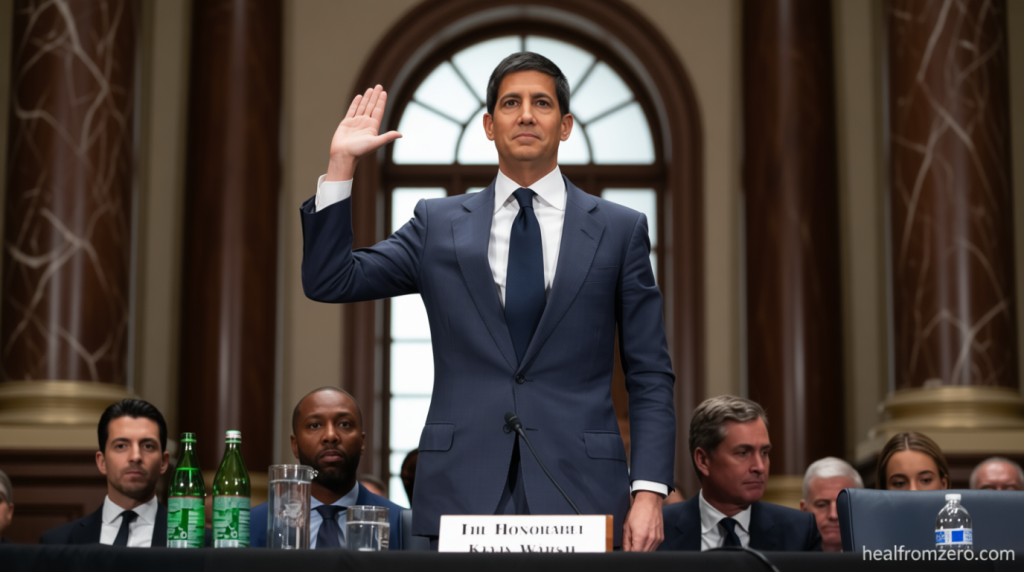
Kevin Warsh Confirmed as Fed Chair, Succeeding Jerome Powell
Kevin Warsh confirmed as Fed chair – On Wednesday, Kevin Warsh secured Senate approval to become the 17th chair of the Federal Reserve, stepping into a role that has become increasingly entangled with political dynamics. His confirmation came in a 54-45 vote, a decision that reflected the deep ideological divides within the Senate. While the majority of Republicans supported his nomination, the Democratic bloc largely opposed it, with only Pennsylvania Senator John Fetterman breaking ranks to cast a vote in favor. This outcome marked the most politically charged confirmation of a Federal Reserve chair in history, underscoring the tension between the executive branch and the central bank’s traditional role as an independent institution.
Political Climate and Economic Challenges
Warsh’s appointment follows a period of sustained scrutiny for the Fed, particularly under President Donald Trump’s administration. Powell, whose eight-year tenure as chair ended with Warsh’s confirmation, faced repeated criticism from the White House for maintaining high interest rates despite Trump’s push for aggressive rate cuts. The confirmation process itself highlighted the broader conflict between the Fed’s monetary policy goals and political pressures to align with fiscal stimulus initiatives. The Senate’s narrow vote signals a cautious approach to entrusting the next leader with the Fed’s pivotal role in shaping the nation’s economic trajectory.
As inflation continues to climb, Warsh’s leadership comes at a critical juncture. The latest Consumer Price Index revealed that inflation surged to a three-year high in April, outpacing wage growth for the first time in months. This trend, fueled by geopolitical tensions such as the US-Israeli conflict with Iran, has complicated the Fed’s ability to act decisively. While Trump has long advocated for lower interest rates to stimulate economic activity, Warsh’s confirmation suggests a shift toward a more data-driven approach, even as the president remains skeptical of the central bank’s decisions.
Warsh’s Policy Agenda and Structural Shifts
The incoming Fed chief has outlined several transformative initiatives aimed at streamlining the central bank’s operations. These include reducing the size of the $6.7 trillion balance sheet, which has been a cornerstone of the Fed’s quantitative easing strategy. Warsh also proposes closer collaboration with the Treasury Department on balance sheet management, a move that could blur the lines between monetary and fiscal policy. Additionally, he plans to cut the number of policy meetings from eight to as few as four annually, minimize the frequency of news conferences, and shrink the Washington-based workforce. These changes, according to JPMorgan analysts, are well within his authority as chair and could redefine the Fed’s operational efficiency.
Warsh’s emphasis on shrinking the balance sheet is rooted in his belief that the Fed’s reliance on unconventional tools like asset purchases has diluted its independence. During the Great Financial Crisis and the pandemic, the central bank expanded its holdings of Treasury bonds and mortgage-backed securities to stabilize markets. Warsh argues that such interventions, while necessary in emergencies, risk becoming a government-backed mechanism rather than a neutral arbiter of monetary policy. He advocates for a return to traditional tools—key interest rates—as the primary means to combat inflation and unemployment.
The DOJ Investigation and Its Implications
Warsh’s confirmation process was further complicated by a high-profile investigation into former chair Jerome Powell. North Carolina Senator Thom Tillis, a key Republican ally, delayed the vote by demanding the Justice Department drop its inquiry into Powell’s testimony regarding cost overruns for the renovation of the Fed’s headquarters in Washington, D.C. The probe, led by DC US Attorney Jeanine Pirro, raised concerns about the Trump administration’s intent to exert political influence over the Fed. Powell himself dismissed the investigation as a partisan attack, stating in a video statement that it was a result of “threats and ongoing pressure” from the White House.
The DOJ’s scrutiny of Powell highlighted fears that the Fed’s independence could be undermined if the administration sought to control its policy decisions. While Warsh’s confirmation indicates a resolution to this issue, the controversy underscores the fragility of the central bank’s autonomy. Trump, who has previously joked about suing Powell for not cutting rates, may now direct similar frustrations toward Warsh. However, the Fed chair’s authority is not absolute; he will work within the framework of the Federal Open Market Committee, where the majority of policymakers will shape the final decisions on interest rates.
Broader Economic Context and Policy Outlook
With inflation pressures intensifying, the Fed’s next steps will be closely watched by markets and policymakers. Investors have begun to anticipate that the central bank may keep its benchmark lending rate unchanged for the remainder of the year—or even raise it if inflationary risks persist. This scenario could test Warsh’s ability to balance Trump’s expectations with the committee’s collective judgment. Despite his alignment with the administration on certain issues, Warsh’s approach to rate cuts will depend on economic data, not political pressure.
The confirmation of Warsh signals a potential recalibration of the Fed’s strategy. While his proposals are framed as structural improvements, they also reflect a broader philosophical shift toward a more conservative monetary policy. This includes a focus on reducing the Fed’s footprint in financial markets and prioritizing rate adjustments over asset purchases. Such a transition may lead to a more predictable policy environment, but it also raises questions about the central bank’s capacity to respond to unforeseen shocks, such as the ongoing energy crisis or global trade disruptions.
Legacy of Powell and the Road Ahead
Jerome Powell’s tenure as Fed chair was defined by both stability and conflict. He navigated the complexities of the Great Financial Crisis and the pandemic, maintaining the Fed’s independence even as the White House pressed for more aggressive action. His clashes with the administration over monetary policy have set a precedent for the challenges Warsh may face. However, the incoming chair’s focus on structural reforms could position him as a leader who prioritizes long-term economic resilience over short-term political gains.
As Warsh assumes the role, the Federal Reserve’s future will hinge on its ability to adapt to a rapidly changing economic landscape. The central bank’s decisions will have global repercussions, influencing markets from Wall Street to the streets of London. With inflation at a critical threshold and geopolitical tensions escalating, the balance between fiscal and monetary policy will remain a focal point of debate. Warsh’s leadership is expected to blend Trump’s economic priorities with the Fed’s established framework, setting the stage for a new era of central banking in the United States.
While the confirmation process was marked by partisan polarization, the Fed’s new chair is poised to address both domestic and international economic challenges. His approach to rate cuts, balance sheet reduction, and inter-agency coordination will be key factors in determining the effectiveness of the central bank’s response to inflation. As the Warsh era begins, the question remains: will his policies strike the right balance between political influence and economic stability, or will they face resistance from within the Fed and beyond?