Trump hints Iran talks could resume this week as US maritime blockade continues


Trump Hints Iran Talks Could Resume This Week as US Blockade Persists
US President Donald Trump suggested that discussions to halt the war with Iran might restart soon, following the collapse of weekend negotiations. The talks, which aimed to break the deadlock, were disrupted by the American military’s imposition of a maritime blockade on Iranian ports. This move has sparked concerns about the viability of a two-week ceasefire set to end next week.
According to a statement from US Central Command (Centcom), no ships had navigated the blockade in its first 24 hours. However, ship-tracking data from BBC Verify revealed that four Iranian-linked vessels had crossed the Strait of Hormuz despite the restriction. Two of these ships were previously docked at Iranian ports, while three others were not linked to Iran.
“You should stay there, really, because something could be happening over the next two days, and we’re more inclined to go there [Islamabad],”
Trump’s remarks, shared in an interview with the New York Post, underscored his administration’s focus on resuming dialogue in Pakistan. The Iranian side has yet to comment on the suggestion, though UN Secretary General António Guterres expressed optimism, stating it was “highly probable” that negotiations would restart.
While the US and Iran remain at an impasse, diplomatic efforts have provided some relief to global markets. Oil prices dipped below $100 on Tuesday, as hopes for renewed talks eased market anxieties. Iran’s control over the Strait of Hormuz, a key oil transport route, has been a focal point of the conflict since its ports were struck by US and Israeli airstrikes on 28 February.
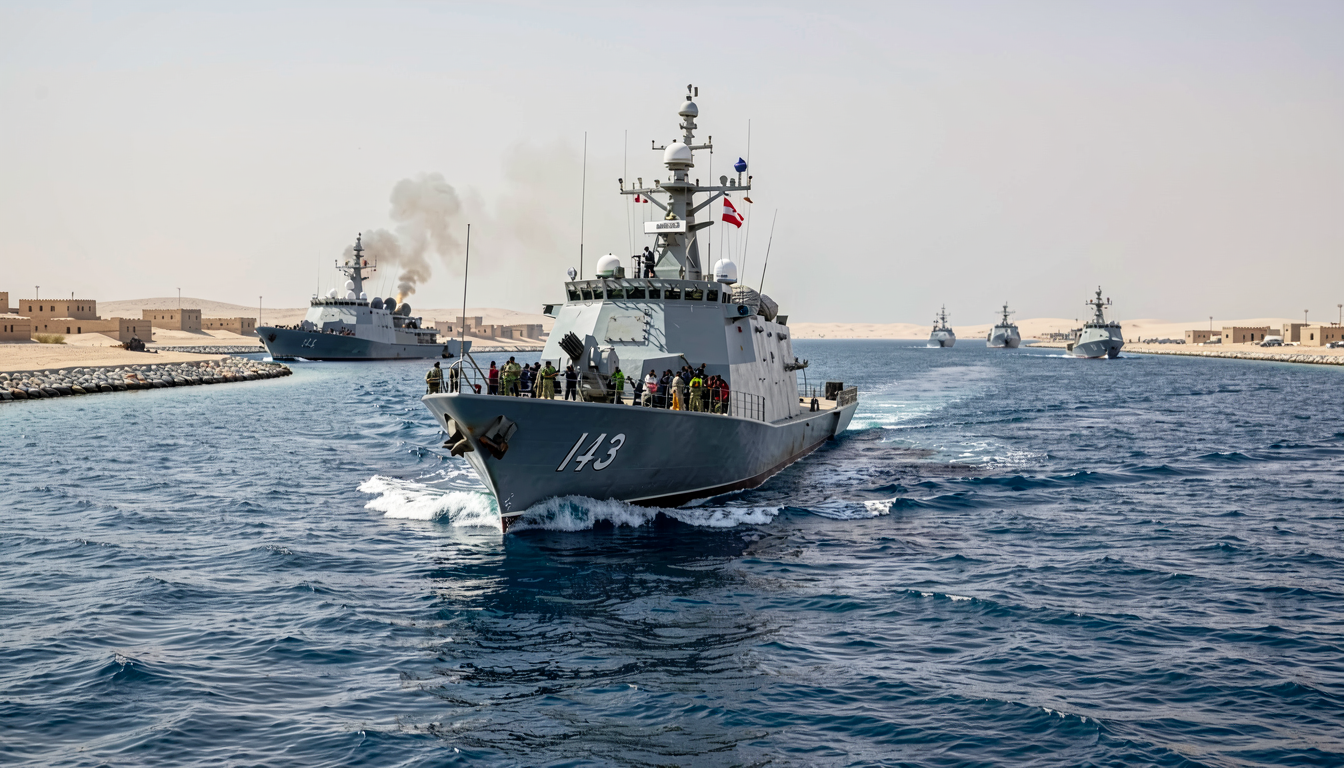
More than a dozen US warships and around 10,000 troops are now enforcing the blockade, aiming to cut off Iran’s access to vital economic resources. The strategy targets oil revenue and the toll fees Iran collects from ships passing through the strait. Centcom reported that six merchant vessels had turned back to Iranian ports within the first 24 hours of the operation.
Initial talks in Islamabad failed to reach an agreement, with the US insisting Iran had not accepted its terms. The key issue was Iran’s nuclear program, which the US sought to suspend for 20 years. Iranian officials countered with a five-year pause, as reported by US media. Meanwhile, the International Monetary Fund warned that the conflict could push the global economy into recession.
US Treasury Secretary Scott Bessent defended the blockade, calling it a necessary step for long-term security. China, however, criticized the move as “dangerous and irresponsible,” fearing it might weaken the fragile ceasefire. Separately, Israel and Lebanon announced direct negotiations, marking the first such talks since 1993. The Lebanese ambassador described the session as “productive,” while the Israeli envoy called it a “new era of peace.”
A US official clarified that the Iran discussions in Islamabad were unrelated to the Israel-Lebanon talks in Washington. The ongoing standoff continues to shape regional dynamics, with no immediate resolution in sight.