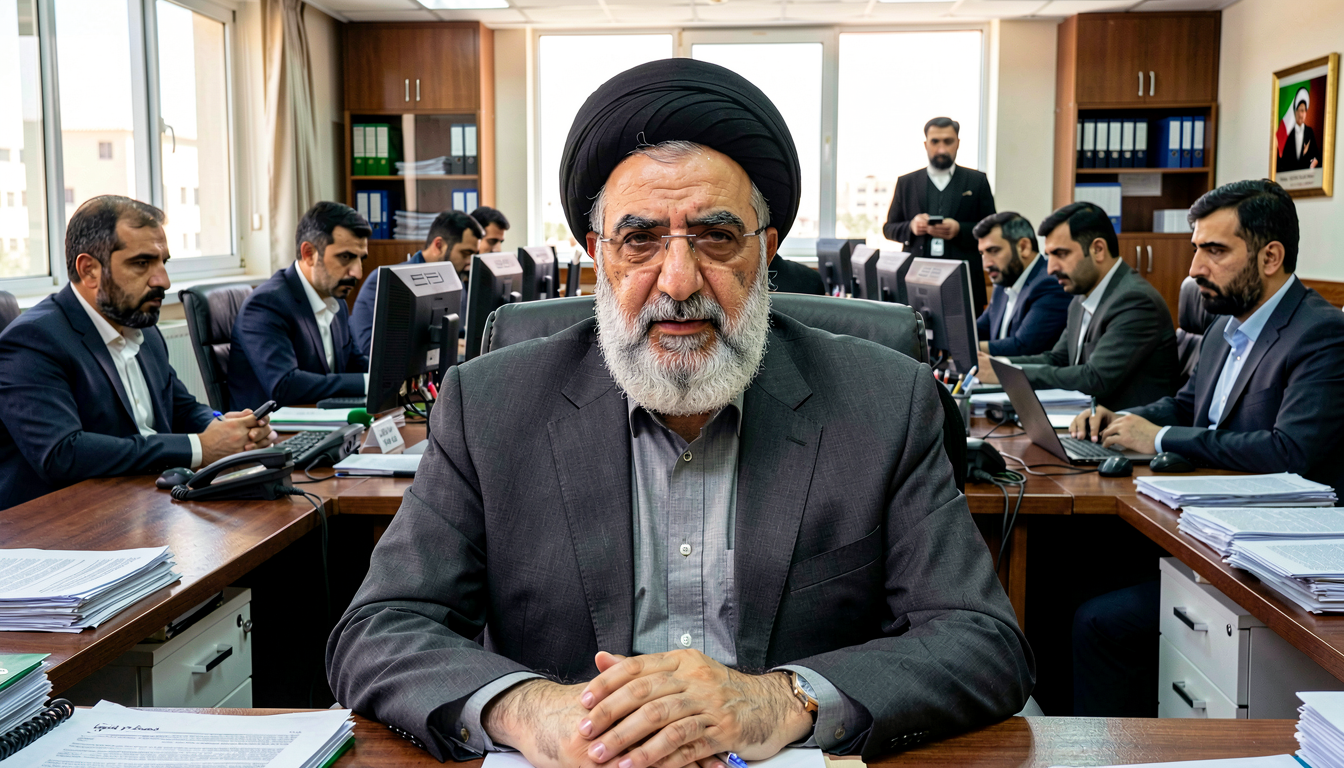
Founder of China’s Evergrande pleads guilty to fraud

Founder of China’s Evergrande pleads guilty to fraud
On 13 and 14 April, the court in Shenzhen reported that Hui Ka Yan, the founder of Evergrande, admitted responsibility for several accusations, including misappropriation of company funds and corporate bribery. According to Chinese state media, Hui expressed regret during the public hearing, acknowledging the consequences of his actions. The court stated it will release its judgment on the case at a later date.
Hui’s guilty plea represents a critical turning point in the aftermath of Evergrande’s collapse, which triggered a major upheaval in China’s property market. The firm, once the largest real estate developer in the country with a stock valuation exceeding $50bn, collapsed in 2021 due to a debt crisis. This event left banks and investors struggling with significant losses.
Evergrande’s financial mismanagement led to the company diverting pre-sale funds from buyers into new ventures, resulting in hundreds of properties remaining unfinished. At its peak, the company operated around 1,300 projects across 280 cities. However, its business model relied heavily on borrowed money, with over $300bn in debt, making it the most indebted property developer globally.
Hui, who also goes by the name Xu Jiayin, began his journey in rural China, raised by his grandmother, before entering the property sector and founding Evergrande in 1996. The firm’s rapid growth was fueled by China’s economic expansion, which was characterized by aggressive lending practices. Its influence extended beyond real estate into electric vehicles and food production, with a notable acquisition of Guangzhou FC, China’s top football club.
Evergrande’s downfall was often blamed for deepening the nation’s property market slump. The collapse accelerated in 2021, leading to a 99% drop in its stock value. By August 2025, its shares were delisted from the Hong Kong exchange after over 15 years on the market.
“Hui Ka Yan’s admission underscores the extent of the financial misconduct that led to Evergrande’s crisis,” said a court representative.
In March 2024, Hui was sentenced to a $6.5m fine and indefinitely barred from participating in China’s capital markets. The penalty followed an investigation revealing that his company had overstated revenue by $78bn. At its height, Hui was Asia’s wealthiest individual, with a fortune estimated at $42.5bn in 2017, according to Forbes.