The Dutch village at risk of being demolished

The Dutch Village at Risk of Being Demolished
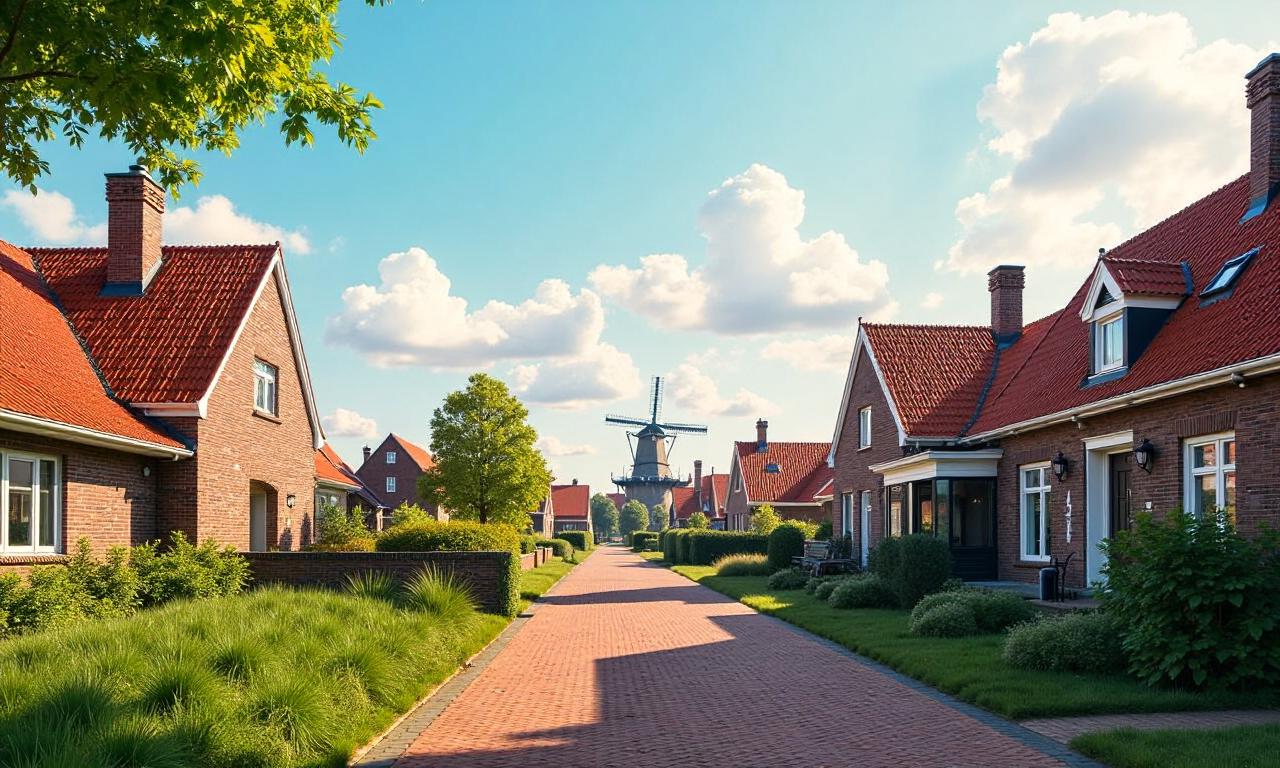
Nestled along the southern edge of a broad estuary, the village of Moerdijk faces the possibility of vanishing from the map. With a population of approximately 1,100, this small fishing community, located 34km south of Rotterdam, is situated on the Hollands Diep waterway. Its strategic position near ports, highways, and existing power lines makes it an appealing site for the nation’s expanding renewable energy infrastructure.
The Dutch government has identified Moerdijk as a critical area for constructing high-voltage substations, which would transmit electricity from offshore wind farms to the national grid. Yet, land scarcity poses a challenge. Officials insist that the village’s location offers a unique opportunity to accommodate these facilities, but residents are uneasy about the implications.
A Village in Transition
For decades, Moerdijk has thrived as a hub for local fishing. Jaco Koman, a third-generation fishmonger, recalls his family’s history in the industry, which dates back to 1918. His business still relies on traditional methods, such as smoking live eels—a staple of Dutch cuisine—and supplying premium restaurants nationwide. In his warehouse, surrounded by shimmering water tanks, he handles the wriggling fish with practiced ease. “Be careful they can jump,” he warns, his tone laced with both humor and concern.
“We are being brought to the slaughterhouse,” Koman says, gesturing toward the estuary from his office overlooking the water. The threat of displacement looms over his livelihood and home, which lies beyond the protective dyke.
The emotional toll is evident in the village’s quiet streets. For-sale signs dot gravel paths, yet few buyers are eager to invest in a place that may be entirely redeveloped. Residents hang flags at half-mast, a somber gesture symbolizing the loss of a community that still exists in name.
Broader Dilemmas in Land Use
Moerdijk’s struggle mirrors a growing tension across the Netherlands. The country’s dense population and limited land resources force difficult choices between housing, agriculture, transportation, and new energy projects. In some regions, grid congestion has delayed developments for years, highlighting the urgency of finding space for renewable infrastructure.
Andrea, owner of the local grocery store, shares the anxiety of her neighbors. Her husband built their home with his own hands, and all three of their children were born there. “I’m scared I’ll lose my house,” she says. “There’s so much life here. But in 10 years’ time it may be nothing.” The fate of the village cemetery, where her grandparents and in-laws rest, adds to the sense of uncertainty.
Geerten Boogaard, a professor at Leiden University, notes that Moerdijk exemplifies the Dutch system’s centralist approach. “When the national government declares something vital to the national interest,” he explains, “it has the tools to enforce it, even if local objections arise.” While councils and residents can voice concerns, the central authority retains the power to proceed with projects deemed essential to energy goals.