
Navy’s top admiral indicates carrier Ford fire stopped sorties for two days
Navy’s top admiral indicates carrier Ford fire stopped sorties for two days
The USS Gerald R Ford, the U.S. Navy’s most advanced and massive aircraft carrier, experienced a two-day operational pause after a laundry fire on March 12, as stated by the Navy’s top commander. This event marked the first sign that the incident disrupted combat efforts against Iran. The fire occurred during the ship’s deployment in the Red Sea under Operation Epic Fury.
A March 12 statement from the U.S. 5th Fleet confirmed the vessel remained fully functional post-fire, emphasizing the blaze was not combat-related and caused non-life-threatening injuries to two crew members. The ship’s crew handled the situation efficiently, according to Chief of Naval Operations Adm. Daryl Caudle, who praised their response during a speech at the Washington-based Center for Strategic and International Studies (CSIS) on Tuesday.
“They fought that, put it out, and started flying sorties two days after that, so I’m very proud of that crew,” Caudle said.
A U.S. official noted that extinguishing the fire, managing water damage, and ensuring no flare-ups required about 30 hours. The official also mentioned over 100 beds were damaged, with approximately 600 sailors displaced from their sleeping quarters due to the proximity of the laundry area to accommodations. The Ford was taken out of action nearly a week later and sent to Souda Bay, Greece, for repairs.
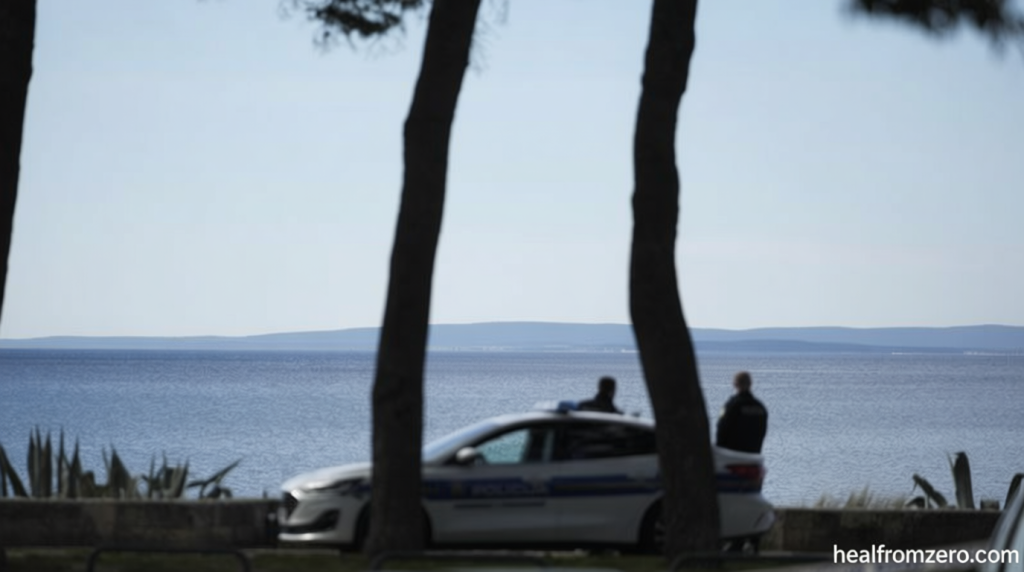
During its five-day stop in Split, Croatia, seven berthing compartments were restored, according to a 6th Fleet update. The Navy has not disclosed the fire’s cause, though the 6th Fleet mentioned ongoing investigations into its origin, which was traced to the ship’s laundry facilities.
Meanwhile, the 6th Fleet reported the Ford had left Split after its rest period. Caudle highlighted the carrier’s deployment, which began in late June, as extending into an “extraordinary” 11-month period. He acknowledged the toll on personnel and equipment but assured that the Navy was built for such demands.
The admiral also raised concerns about the war with Iran’s impact on the Navy’s readiness and deterrence elsewhere. “The challenge … is how do you buy down risk in other parts of the world while you’re focusing a lot of resources in one area,” he said.
As the Ford’s deployment continued, the USS George H.W. Bush and its strike group departed Norfolk, Virginia, heading toward the U.S. Central Command’s area of responsibility, including the Middle East, CNN reported. This move coincided with President Donald Trump’s televised address, where he declared the U.S. would escalate military pressure on Iran. “We are going to hit them extremely hard over the next two to three weeks. We are going to bring them back to the stone ages, where they belong,” the president stated.
Analysts warned that the damage to critical radar systems could hinder the U.S. ability to monitor Iranian threats. The Ford, now back on station, remains prepared for full mission tasks, the 6th Fleet said Thursday, stressing its readiness to support national objectives in any operational area.