
The BBC’s best thriller has never been stronger – it’s being let down
The BBC’s best thriller has never been stronger – it’s being let down
A Slow-Burning Success
When The Capture debuted in 2019, it sparked a quiet revolution in the world of suspense dramas. Its first season captivated over five million viewers, a testament to its gripping narrative and meticulous attention to detail. The series launched the career of Callum Turner, a rising star widely anticipated to follow in the footsteps of James Bond. His BAFTA-nominated performance added to the show’s allure, cementing its place among modern thrillers.
A Predictive Masterpiece
What makes The Capture truly remarkable is its ability to anticipate the cultural shifts that now define our reality. Seven years ago, its premise—technology so advanced it could distort CCTV footage and digital proof to the point of disbelief—felt like sci-fi. Today, deepfakes are a daily phenomenon, from TikTok trends to political manipulation, making the show’s core idea more relevant than ever.
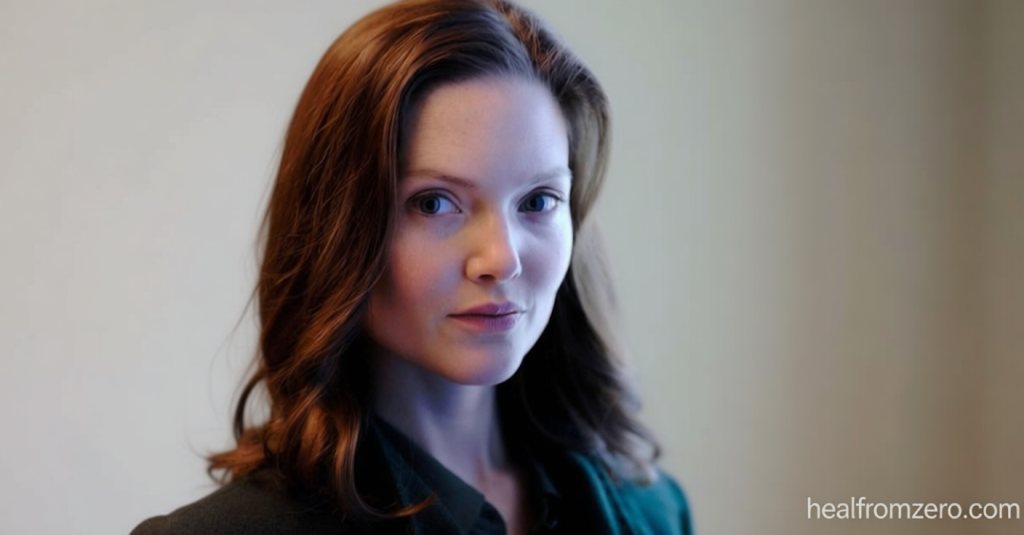
The second season of The Capture pushed its concept into uncharted territory, introducing falsified live broadcasts that could sway public opinion and alter election outcomes. This season, now airing on BBC One, has delivered its most compelling episode yet. In the opening instalment, Rachel Carey—a character portrayed by Holliday Grainger—witnesses a shooting only for the suspect she identifies to later become her own colleague. The twist leaves viewers disoriented, a rare feat in the thriller genre.
Despite its brilliance, the show’s reach has been stifled by a scheduling strategy that feels out of step. Episodes debut quietly on iPlayer each Sunday morning, followed by the main broadcast at 9pm. This approach, reminiscent of Netflix’s drop model, misses the collective energy of live viewing. Social media chatter, which often amplifies a show’s impact, has been minimal, with fans left to dissect the latest twist in solitude.
Comparisons to Line of Duty highlight the gap. While The Capture maintains a loyal following, its overnight figures—1.84 million for the first episode—lag far behind the 16 million average for the final series of Line of Duty in 2021. This isn’t due to a lack of quality, but a missed opportunity to capitalize on its timely themes and bold storytelling.
Recent efforts by the BBC to promote its programming have also been underwhelming. The debut of Lord of the Flies, adapted by Jack Thorne, was hailed as a triumph. Yet, like The Capture, it was released prematurely, with all episodes uploading to iPlayer ahead of their scheduled broadcasts. This trend has allowed both shows to fade into obscurity, losing momentum before they could dominate the cultural landscape.
As the third season unfolds, The Capture has the potential to redefine the thriller genre. Its ability to mirror real-world anxieties about truth and technology makes it more than just entertainment—it’s a mirror held up to our society. If the BBC had positioned it as a flagship series, it could have sparked debates in Parliament, captured morning talk shows, and swept through awards season. Instead, it’s quietly slipping under the radar, destined for the chopping block as its viewership continues to dwindle.
At the time of writing, which is the morning after The Capture’s latest episode, the show’s future hangs in the balance. It’s a masterpiece that should be commanding the national conversation, yet it remains overlooked, its brilliance dimmed by a lack of strategic promotion.