
Top 5 Effective Disease Diagnosis Methods to Improve Accuracy and Efficiency
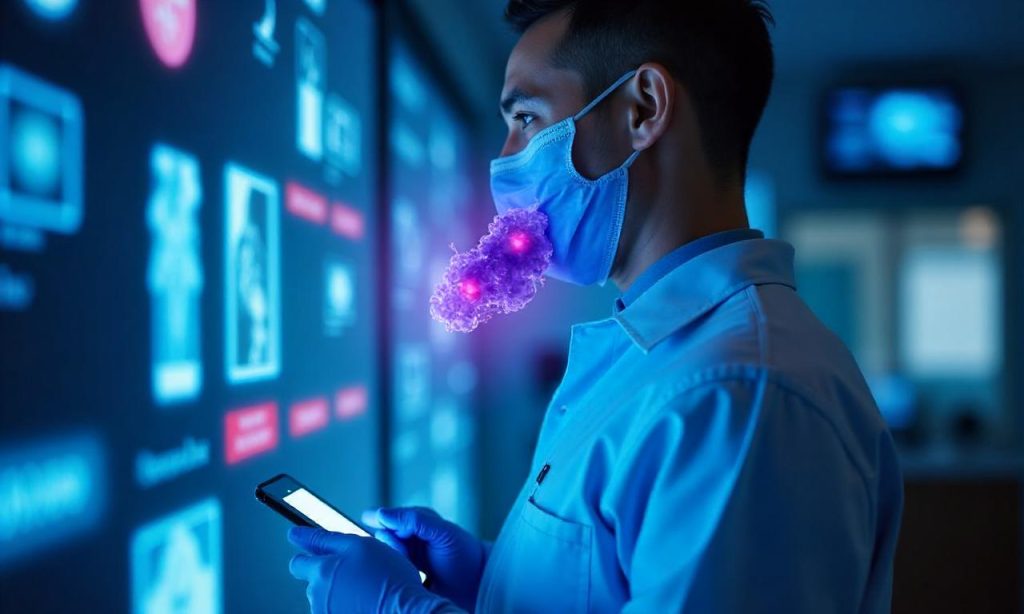
The importance of disease diagnosis methods in modern healthcare cannot be overstated. As medical technology advances, the accuracy and efficiency of diagnosing diseases have become critical factors in improving patient outcomes, reducing treatment delays, and optimizing healthcare resources. With the right disease diagnosis methods, medical professionals can identify conditions at an early stage, enabling timely interventions and personalized care. This article explores the top 5 effective disease diagnosis methods that are reshaping how diseases are detected and managed, offering insights into their benefits, applications, and how they contribute to precision in healthcare.
Clinical Diagnosis: The Foundation of Medical Evaluation
Clinical diagnosis remains a cornerstone of disease diagnosis methods, relying on a physician’s expertise to interpret symptoms, medical history, and physical examinations. This method is often the first step in identifying potential health issues, as it allows doctors to form an initial hypothesis based on patient behavior and clinical signs. While clinical diagnosis can be efficient for common conditions, its accuracy depends heavily on the practitioner’s knowledge and experience. To enhance reliability, it is typically combined with other diagnostic tools, ensuring a more comprehensive assessment of complex cases.
Laboratory Testing: Precision Through Scientific Analysis
Laboratory testing is a highly accurate disease diagnosis method that involves analyzing biological samples such as blood, urine, or tissue. These tests provide objective data, enabling healthcare providers to confirm or rule out conditions with scientific evidence. For example, blood tests can detect biomarkers for infections, metabolic disorders, or cancer, while genetic analysis can reveal inherited conditions. Despite their reliability, laboratory tests can be time-consuming and require specialized equipment, which may affect their efficiency in urgent situations.
Imaging Techniques: Visual Clues for Internal Conditions
Imaging techniques like X-rays, MRIs, CT scans, and ultrasounds are essential disease diagnosis methods that offer a non-invasive way to visualize the body’s internal structures. These tools help detect abnormalities such as tumors, fractures, or organ damage, often before symptoms become apparent. The efficiency of imaging methods has improved significantly with digital technology, allowing faster processing and clearer results. However, their effectiveness depends on the correct interpretation of images by radiologists, and they may not always identify early-stage diseases without additional testing.
Genetic Testing: Unlocking the Code for Early Detection
Genetic testing is a cutting-edge disease diagnosis method that analyzes a patient’s DNA to identify genetic mutations or predispositions. This approach is particularly valuable for diagnosing hereditary conditions, such as cystic fibrosis or Huntington’s disease, and can predict the risk of developing certain illnesses. By leveraging genetic data, healthcare providers can offer personalized treatment plans and even detect diseases in asymptomatic individuals. While genetic testing is highly accurate, it may not be suitable for all conditions and can sometimes lead to overdiagnosis if results are misinterpreted.
AI-Assisted Diagnosis: Revolutionizing Speed and Accuracy
Artificial intelligence (AI) is transforming the landscape of disease diagnosis methods by integrating machine learning algorithms to analyze medical data rapidly. AI tools can process vast amounts of information, including medical images, lab results, and patient records, to identify patterns and predict potential diagnoses. This method not only improves efficiency by reducing the time required for analysis but also minimizes human error in interpreting complex data. However, AI-assisted diagnosis is still a supplement to traditional methods, requiring validation by human experts to ensure reliability and ethical use.
The Role of Technology in Enhancing Diagnosis
Technological advancements are playing a pivotal role in improving disease diagnosis methods, making them more accessible and reliable. Tools such as wearable health devices, mobile apps, and telemedicine platforms enable continuous monitoring of symptoms and real-time data collection. These innovations are especially useful in remote areas or for patients with chronic conditions, as they allow for early detection and ongoing management. The integration of digital technologies with traditional diagnostic techniques is also fostering better collaboration among healthcare professionals, ultimately streamlining the diagnostic process.
Combining Methods for Comprehensive Health Insights
The most effective disease diagnosis methods often work in tandem to provide a holistic view of a patient’s health. For instance, combining clinical evaluation with imaging techniques can help confirm suspected conditions, while genetic testing paired with lab analysis can uncover underlying causes. This multi-method approach not only improves accuracy but also ensures that no single tool’s limitations compromise the overall diagnosis. By integrating diverse disease diagnosis methods, medical teams can tailor their strategies to the specific needs of each case, leading to more precise and efficient healthcare delivery.
The Future of Disease Diagnosis: Trends and Innovations
The field of disease diagnosis methods is constantly evolving, driven by innovations in science and technology. Emerging trends such as liquid biopsies, which detect cancer markers in blood, and digital pathology, which uses AI to analyze tissue samples, are redefining diagnostic standards. These advancements are making diagnosis faster, less invasive, and more affordable. Additionally, the rise of big data analytics is enabling predictive modeling to identify disease risks before symptoms manifest. As these technologies mature, they will likely become integral to standard disease diagnosis methods, further enhancing accuracy and efficiency in medical care.
Ensuring Accuracy: Key Considerations in Diagnosis
Accuracy in disease diagnosis methods is influenced by several factors, including the quality of data, the expertise of healthcare professionals, and the integration of multiple diagnostic tools. For example, a well-trained doctor can reduce errors in clinical diagnosis, while advanced imaging techniques minimize misinterpretation of visual data. Consistency in using standardized protocols and regular calibration of diagnostic equipment are also crucial for maintaining reliability. Patients and healthcare providers should remain informed about the strengths and limitations of each method to make informed decisions about treatment and care.
Efficiency in Practice: How Time Matters in Diagnosis
Efficiency in disease diagnosis methods is vital for reducing patient wait times and managing healthcare costs. Fast and accurate diagnosis can prevent unnecessary hospital stays, expedite treatment, and improve recovery rates. However, efficiency must not come at the expense of accuracy; a streamlined process should still allow for thorough evaluation. For example, while AI tools can process data quickly, they require integration with human oversight to avoid overlooking subtle clinical indicators. Balancing speed and precision is key to developing effective disease diagnosis methods that meet modern healthcare demands.
Reducing Costs: The Economic Impact of Diagnostic Choices
Choosing the right disease diagnosis methods can significantly impact healthcare costs. While advanced techniques like genetic testing or AI-assisted diagnosis may have higher upfront expenses, they often reduce long-term costs by enabling early intervention and targeted treatment. In contrast, traditional methods such as clinical diagnosis are cost-effective for routine cases but may require additional testing for complex conditions. Healthcare systems must weigh the benefits of each method against their economic feasibility to ensure equitable access to high-quality diagnostics.
Patient-Centered Diagnostics: Improving Care and Outcomes
A patient-centered approach to disease diagnosis methods prioritizes individual needs and preferences, leading to better health outcomes. For example, some patients may prefer non-invasive techniques like imaging or blood tests over more invasive procedures, while others may benefit from genetic testing for preventive care. By tailoring diagnostic strategies to each patient’s unique situation, healthcare providers can enhance both the accuracy and efficiency of diagnosis. This personalized method also encourages patient engagement, as individuals become more informed about their health and treatment options.
Overcoming Challenges in Disease Diagnosis
Despite their benefits, disease diagnosis methods face challenges such as resource limitations, accessibility issues, and the need for continuous training. For instance, rural areas may lack the equipment required for advanced laboratory tests, while AI tools demand specialized knowledge to interpret results correctly. Addressing these challenges requires investment in infrastructure, education, and research. Collaborative efforts between healthcare providers, technology developers, and policymakers can help ensure that all populations have access to reliable and efficient disease diagnosis methods, bridging the gap between innovation and practical application.
The Impact of Early Diagnosis on Treatment Success
Early diagnosis is a critical factor in the success of disease treatment, and many disease diagnosis methods are designed to detect conditions at their earliest stages. For example, genetic testing can identify inherited disorders before symptoms appear, while imaging techniques can reveal early signs of neurological or cardiovascular diseases. Early detection not only improves the chances of effective treatment but also reduces the burden on healthcare systems by preventing disease progression. As a result, integrating early diagnostic strategies into standard practice is essential for maximizing the benefits of disease diagnosis methods.
Conclusion: Integrating Methods for Better Healthcare
The top 5 effective disease diagnosis methods discussed in this article highlight the diverse approaches available to improve accuracy and efficiency in healthcare. From traditional clinical diagnosis to cutting-edge AI-assisted tools, each method plays a unique role in identifying diseases and guiding treatment decisions. By combining these techniques, medical professionals can overcome individual limitations, provide more comprehensive care, and adapt to the evolving needs of patients. As technology continues to advance, the future of disease diagnosis methods promises even greater precision, speed, and accessibility, ultimately transforming how diseases are detected and managed worldwide.
FAQ
Q: What are the most accurate disease diagnosis methods for chronic conditions? A: Genetic testing and AI-assisted diagnosis are among the most accurate disease diagnosis methods for chronic conditions, offering early detection and personalized insights.
Q: How do disease diagnosis methods differ in terms of cost and availability? A: Clinical diagnosis is cost-effective and widely available, while advanced techniques like AI or genetic testing may require higher investment and specialized infrastructure.
Q: Can disease diagnosis methods be used in remote healthcare settings? A: Yes, portable imaging devices and telemedicine-supported diagnostics are making disease diagnosis methods more accessible in remote areas.
Q: Are AI-assisted diagnosis tools reliable in replacing human experts? A: AI-assisted diagnosis tools enhance efficiency but are not a complete replacement for human expertise, which is crucial for interpreting complex data.
Q: How can patients ensure they are using the best disease diagnosis methods? A: Patients should consult healthcare professionals to determine the most suitable disease diagnosis methods based on their symptoms and medical history.