
Iran says it will show ‘zero restraint’ if energy infrastructure is targeted again
Iran says it will show ‘zero restraint’ if energy infrastructure is targeted again
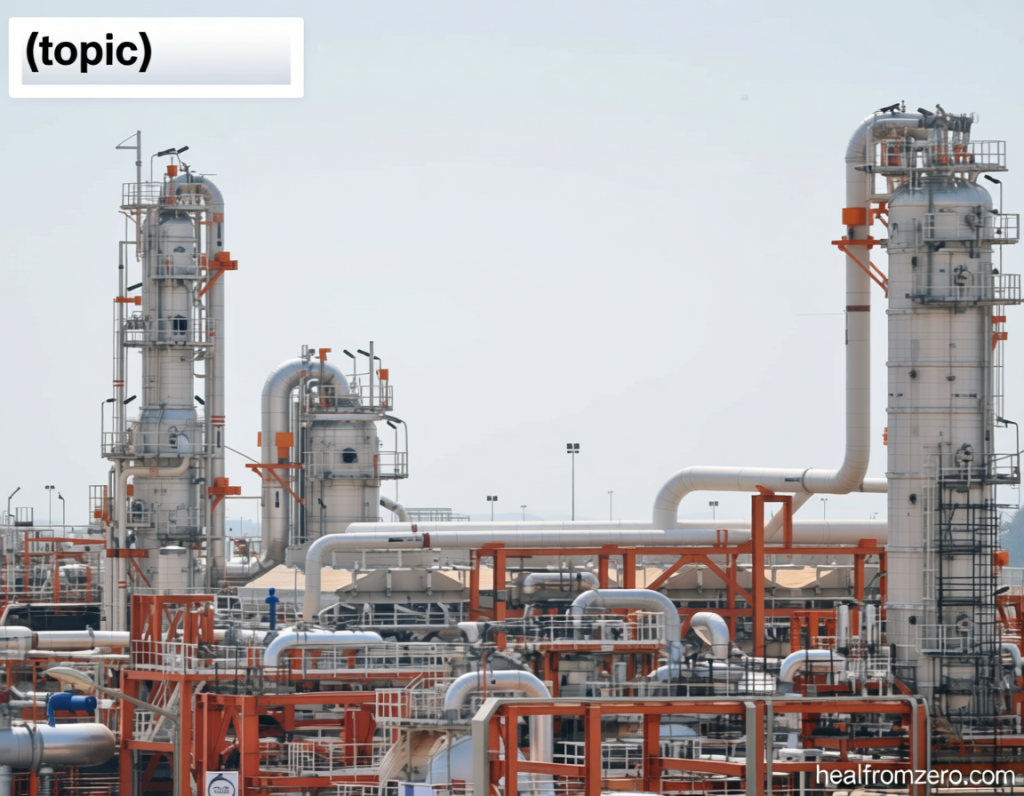
On Thursday, Iran warned of a fierce response if its energy facilities were attacked once more, as Qatar disclosed that nearly 20% of its liquefied natural gas export capacity had been disrupted by an Iranian strike. The assault on Qatar’s Ras Laffan complex, part of the shared South Pars gasfield with Iran, is expected to have a prolonged impact on global energy supplies. This came after Israel launched an attack on the Iranian gasfield, prompting retaliatory actions that spread across Gulf nations.
“Our response to Israel’s attack on our infrastructure employed FRACTION of our power. The ONLY reason for restraint was respect for requested de-escalation. ZERO restraint if our infrastructures are struck again,”
stated Abbas Araghchi, Iran’s foreign minister, in a post on X. The strikes not only targeted Qatar but also affected other Gulf states, causing financial markets to decline and gas prices to spike sharply.
Israel confirmed that its Bazan Group refinery in Haifa had been hit and damaged by an Iranian strike. The incident raised concerns about potential disruptions to energy production in the region. Meanwhile, global stock markets faced heavy selling, with declines observed in Japan, South Korea, and Hong Kong, reverberating across Europe. The UK’s FTSE 100 ended the day down 2.35%, while Germany’s Dax and France’s CAC also saw significant drops.
As oil prices surged, Brent crude reached $119 per barrel, up 10% in a single day, before retreating to $110. Crude prices have risen by 60% since the conflict began on February 28. European and UK gas prices similarly climbed, peaking at a 24% increase before easing. These prices have more than doubled since the war started, amplifying fears of an energy crisis.
Amid rising panic, the UK, France, Germany, Italy, the Netherlands, and Japan issued a collective statement expressing “deep concern” over the escalating tensions. They urged Iran to halt threats, mine-laying, and attacks on shipping routes, emphasizing the need to comply with a UN Security Council resolution. The EU also pledged to support diplomatic efforts to ease hostilities, while monitoring potential migration waves from the Middle East into Europe to avoid a recurrence of the 2015 crisis.
President Donald Trump, meanwhile, denied coordination with Washington over Israel’s attack, despite requesting $200bn from Congress to fund his war efforts. He later clarified that he had advised Israeli Prime Minister Benjamin Netanyahu to avoid further strikes on Iranian gasfields. “I told [Netanyahu] don’t do that, and he won’t do that,” Trump said, highlighting his relationship with Netanyahu. However, the U.S. deployed 2,000 marines to the region, leaving open the possibility of additional troops being sent.
Future operations against Iran may focus on securing safe passage for oil tankers through the Strait of Hormuz, likely involving air and naval forces. The EU also warned of the global repercussions, stating that the conflict’s effects would be felt worldwide, particularly by the most vulnerable populations.